Last updated November 18, 2026
 Sliding glass doors
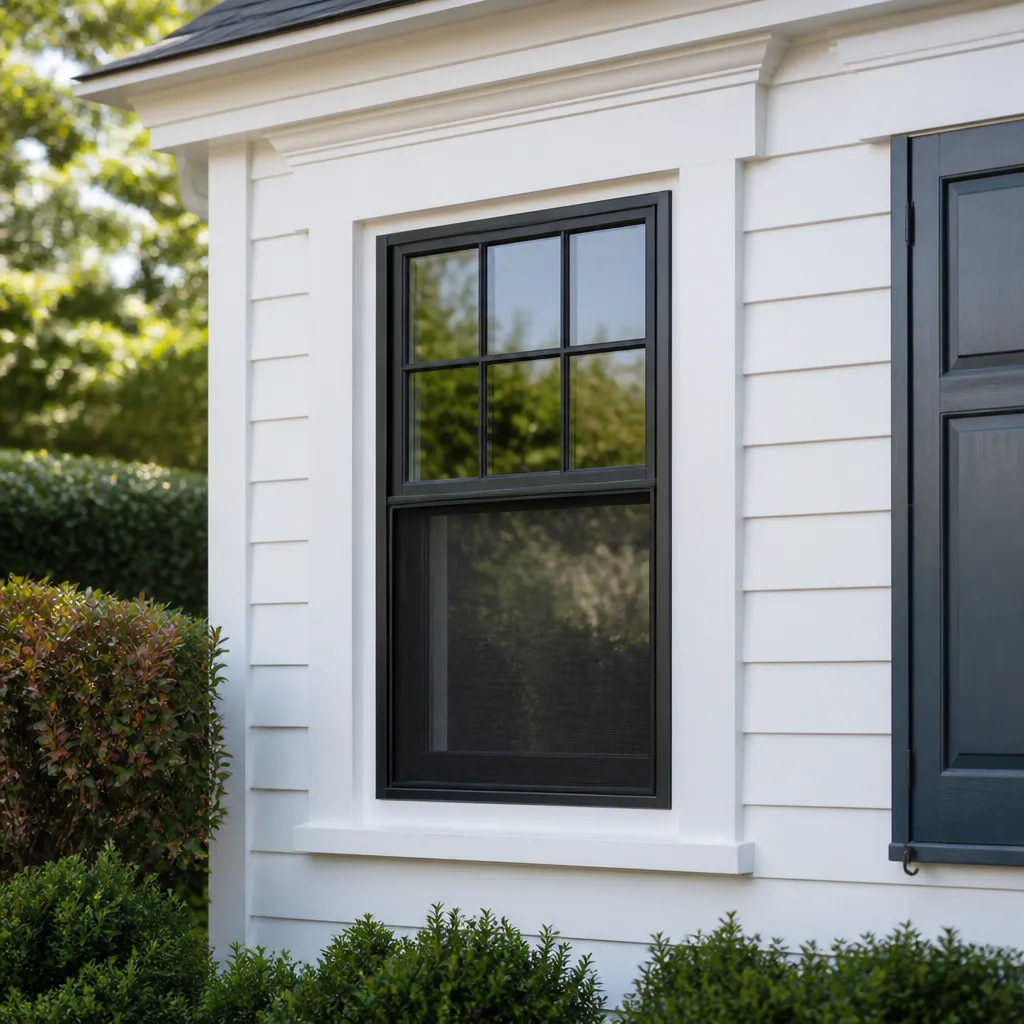 Single hung
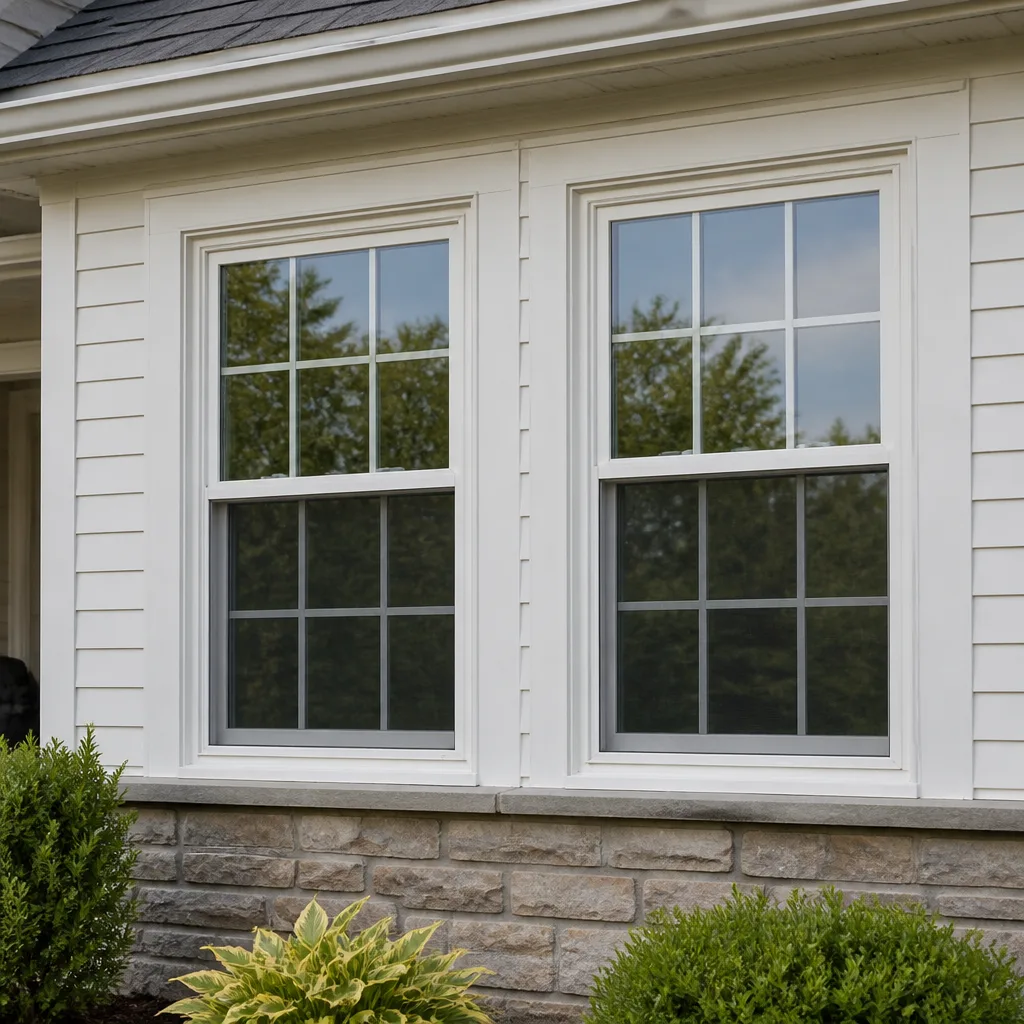 Double hung
 Horizontal roller
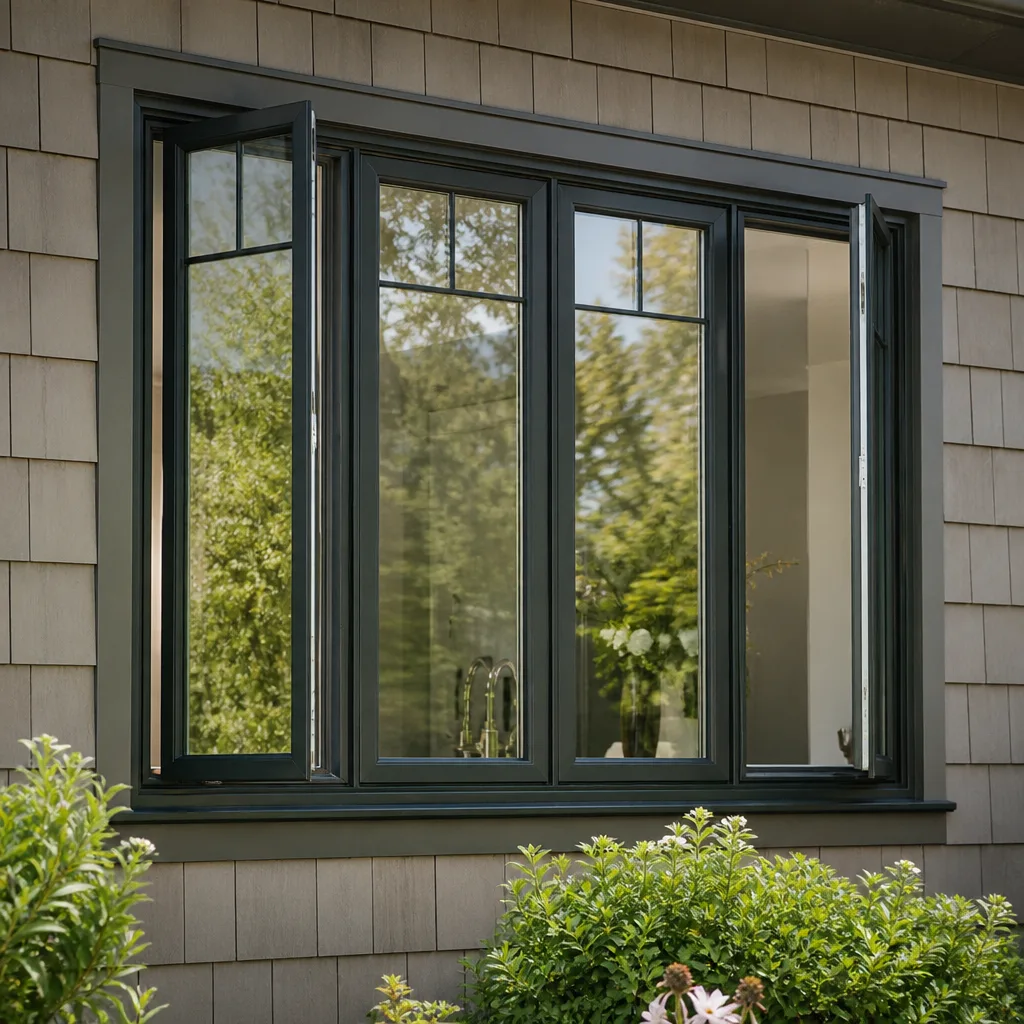 Casement
 Bay & bow
 Entry doors
 Impact garage doors
 PGT
 CGI
Free in-home measure and quote - PGT, CGI and CWS impact lines compared on your actual openings, style by style
Get your free estimateWindows & Doors Warning Signs: A Whitney Homeowner’s Reference Guide
That window that’s “just a little hard to open” usually isn’t a hardware problem. More often it’s a frame that has racked out of square, and no amount of track lubrication fixes a geometry problem. The signs homeowners actually notice, like sticking sashes, visible condensation, or a draft at the sill, are late-stage symptoms. The failure underneath them started months earlier, quietly. This guide works backwards from those visible clues to what’s really failing and whether you’re looking at a repair, a component swap, or a full unit replacement. We’re Whitney Windows & Doors, and this is the reference we’d hand a neighbor over the fence.
Quick Answer
Window and door warning signs fall into four groups: operation problems (sticking, dragging, hard to latch), seal failures (fog or condensation between panes), draft and water intrusion (air movement, staining, warped trim), and structural symptoms (cracks at corners, uneven gaps, doors that no longer sit in the frame). Surface condensation wipes away and points to humidity or a failing seal elsewhere; condensation trapped between panes means the insulated glass unit has failed and needs replacement. Drafts can come from worn weatherstrip, shrunken caulk, or a frame that has separated from the rough opening, and each has a different fix. Getting the diagnosis right the first time is what separates a cheap repair from an unnecessary replacement.
Styles & brands we work with
- Single hung
- Double hung
- Horizontal roller
- Casement
- Bay & bow
- Sliding glass doors
- Entry doors
- Impact garage doors
- PGT
- CGI
Table of Contents
- Condensation on the Glass vs. Between the Panes
- Distinguishing the Three Sources of a Draft
- Sticking Windows and Doors: When It’s Geometry, Not Hardware
- Door Warning Signs Specific to Whitney Soil Conditions
- Your Energy Bill as a Diagnostic Tool
- The Operating-Force Test: Measuring Hardware Failure Before It Breaks
- Water Intrusion and the Signs Homeowners Miss
- Repair, Replace the Component, or Replace the Unit?
Condensation on the Glass vs. Between the Panes
Condensation on the room-side surface of the glass is normal in dry desert climates and doesn’t mean your window has failed. Condensation, fog, or a milky haze trapped inside the sealed gap between two panes means the insulated glass unit has lost its seal, and the only real fix is replacing the glass unit or the window. Whitney’s dry, high-desert air actually makes interior fog easier to spot because it doesn’t hide behind everyday surface moisture.
Surface condensation forms when warm, humid indoor air meets cold glass. In Whitney, that usually happens on winter mornings, in bathrooms, or in kitchens where cooking adds moisture to the air. It wipes away with a cloth, and it points you to ventilation or humidity control, not to window replacement. If you see it on every window in one room and nowhere else, look at the room and its air first.
Between-pane fog is different. It appears on one window, then another, and it doesn’t wipe off because it isn’t on the surface. The seal that held the inert gas fill and the desiccant has failed, moisture got in, and the glass assembly is done. That’s a component replacement, not a structural problem, and it’s one of the most common reasons we quote a single glass unit rather than a whole window. Our installers carry glass units from lines like Mr-Glass and PGT because both sit in the same performance tier for this kind of work.
The tell you can use right now: run your finger across the glass. If the moisture smears, it’s surface condensation. If it doesn’t, the failure is inside the unit.
Distinguishing the Three Sources of a Draft
A draft at a closed window or door comes from one of three places: failed weatherstrip, shrunken or cracked caulk at the exterior joint, or a frame that has separated from the rough opening. They look identical on a windy day and they require completely different repairs, so a proper diagnosis is the least expensive part of the job. In Whitney, the gasket and caulk failure rate runs high because the summer heat and the winter-to-summer temperature swing work the seals loose.
Here’s how to narrow it down before anyone comes out:
- Feel around the whole perimeter, not just the middle. A draft along the sash edge points to weatherstrip. A draft along the frame-to-wall joint points to caulk or frame separation.
- Test weatherstrip with a dollar bill. Close the window on it. If you can pull the bill out with almost no drag, the strip has compressed flat and needs replacing.
- Look at the caulk line on the outside. Cracked, peeling, or separated caulk shows up as thin dark lines or visible gaps. Resealing is a low-cost repair.
- Check the frame for movement. Press gently at the corner. If the frame flexes against the wall or you can see daylight at the interior trim, that’s frame separation, and it needs more than a caulk bead.
Weatherstrip and caulk are ordinary maintenance. Frame separation is a different animal: it points to movement underneath the wall or a window that was never shimmed and fastened properly, and it usually needs a technician. When we walk through a home for window replacement, we check all three because a homeowner fighting a draft is usually fighting two of these at once.
Sticking Windows and Doors: When It’s Geometry, Not Hardware
A window that’s hard to slide or a door that drags on the sill is often a geometry problem, not a broken part. The frame has racked slightly out of square, and the harder the operator pushes, the more the sash binds. Lubricating the track or replacing the rollers treats the symptom and leaves the cause. In Whitney, the usual culprits are foundation movement in the shrinking and swelling clay soils and header deflection over larger openings, and both shift the frame slowly enough that a homeowner never sees the moment it happened.
Three checks that tell you it’s geometry:
- Look at the gap around the sash. A consistent gap on one side and a tight gap on the other means the frame is out of square.
- Try a second window in the same wall. If both drag, the movement is in the wall or the header, not the window.
- Open the unit and watch the sash. If it binds hardest at one corner, that corner is the low point.
On a door, the checks are the same but bigger. A door that sticks at the top shows header deflection. A door that rubs the threshold and shows a widening gap at the top of the frame is a slab that has shifted. Neither is fixed with a new hinge. Whitney carries Therma-Tru entry door systems, and when a door is beyond realignment our installers are the people who fit the new unit plumb and square in the opening so it stays that way. If you’re not sure which side of the line you’re on, our team can tell you whether a repair will hold or whether the correct answer is window installation done right.
Door Warning Signs Specific to Whitney Soil Conditions
A door that sticks in Whitney often means the slab has shifted, not that the door has warped. The desert clay soils under many Whitney homes expand and contract with the seasonal moisture cycle, and that movement passes into the foundation, the wall framing, and the opening. A door is the most sensitive piece of the exterior envelope because it spans a wide opening and swings on a narrow hinge line. A small shift in the wall shows up as a bind in the door long before it shows up anywhere else.
Signs a door is telling you about movement, not timber:
- Seasonal stick. It rubs in late summer and clears in winter, or vice versa. Warped wood doesn’t heal; a shifting wall does.
- Uneven reveal. The gap between the door and the frame should be even. A tapered gap at the top means the opening is out of square.
- Latch misalignment. The deadbolt or latch no longer lines up. The door and the strike plate are in two different planes.
- Rubbing at the threshold. The door is dragging the sill, usually because the hinge side has dropped.
When the movement is minor and stable, adjusting hinges and re-setting the strike is enough. When the opening has gone out of square and stayed there, no amount of adjuster work holds, and that’s when door installation with a properly fitted and shimmed frame matters. Whitney’s Therma-Tru fiberglass and steel systems hold their shape in this climate better than a slab that’s spent years moving with the frame. We also fit ViewLux products for homeowners who want more glass and a clean line, and we’ll tell you which product suits the opening you actually have.
Your Energy Bill as a Diagnostic Tool
A sudden energy bill spike is one of the best diagnostics for window and door problems, but only if you read it correctly. A jump in the cooling or heating bill that stays high for more than one billing cycle points to a leaking envelope, and a window or door seal failure is a common cause. A one-month jump that comes back down is usually weather or HVAC, not the windows.
Here’s how to separate a window or door problem from a heating and cooling problem, using only what you can see at home:
- Check the timeline. Did the increase start in the same month you noticed a draft, fog, or a sticking window? If yes, the envelope is the suspect.
- Compare rooms. A room with the highest bill share and drafty windows points to the envelope. If every room runs high, look at the equipment.
- Do a pressure test. On a windy day, hold a thin strip of tissue to the perimeter of each window and door. Movement means air is moving through the opening, and that’s a leak, not a furnace problem.
- Check the HVAC side once. Replace the filter, look at the outdoor unit, and compare run time. If the system is running longer for the same comfort level, the leak is doing the damage.
In a Whitney summer, air-conditioning load tracks directly to how much heat the envelope lets in, and a failed glass seal or a worn door sweep shows up as longer run times. Whitney’s range of energy-efficient products, from PGT to ECO Window Systems, is where we steer homeowners once the test shows the envelope is the problem. Nobody should replace windows on a bill spike alone. But a bill spike plus a draft plus a fogged pane is a pattern, and it points to window replacement.
The Operating-Force Test: Measuring Hardware Failure Before It Breaks
Hardware failure has a measurable early stage, and most homeowners only ever feel it as “this window is getting harder to open.” The operating-force test puts a number on that feeling so you know whether the hardware is on its way out. A window that has stiffened noticeably compared to last year, or compared to the window next to it, is the one to check.
The test is a simple one: attach a small spring scale or luggage scale to the handle and pull until the window starts to move, reading the force where it breaks free. Do the same on a window you know is healthy in the same room, and compare.
- Sliding windows: a smooth, healthy slider breaks free at a light pull. Walk past the light threshold with a noticeable extra pull and the rollers or the track are working against a problem, often a frame that’s gone slightly out of square.
- Casement windows: the crank should turn freely through most of the swing. A crank that tightens toward the end of travel points to a sash that’s out of square or an operator that’s wearing.
- Single-hung and double-hung: the sash should lift and settle without catching. If the force rises sharply at one spot, the balance or the jamb is the cause.
- Doors: the door should close with a light push and latch cleanly. A door that needs a shove, or has stopped latching without force, has a hinge, strike, or frame issue.
Record the readings for all your windows and doors once. That single page becomes a baseline, and next season you’ll know exactly which units have changed and by how much. We use the same idea when we quote a job, which is one reason Whitney’s specialist focus matters: the same crew that estimates is the crew that installs, and they read windows for a living. Our technicians have up to 11 years of experience with this kind of diagnostic work.
Water Intrusion and the Signs Homeowners Miss
Water is the most damaging of the window and door failures, and it rarely announces itself where the leak actually is. Water entering at a perimeter joint often shows up as a soft spot in drywall, a stain on the interior sill, or bubbling paint well below the window. In Whitney, where the exterior envelope takes the full afternoon sun and the seasonal moisture swing, the exterior seal at the window head and sill is the first thing to fail. Water gets behind the wall and stays there.
Signs worth acting on immediately:
- Staining on the interior sill or the drywall below a window. Usually the head flashing or the caulk at the top of the frame.
- Paint or stucco bubbling on the exterior around a window. Moisture is trapped behind the finish.
- Soft or spongy wood at the frame corners. The frame itself is at risk, not just the finish.
- Fogging that appears right after a rain. The glass unit or the frame seal is already compromised.
- A door that took water at the threshold. The sweep or the sill pan failed, and the substrate may be wet.
Because water follows framing, a small leak can mean rot that only shows up when the unit is opened. We can’t confirm damage from a photo, so we look in person before recommending a repair or a replacement. That’s the honest sequence: find the entry point, find the damage, then decide. It’s what we do on every window installation, and it’s how we keep water intrusions from turning into something bigger.
Repair, Replace the Component, or Replace the Unit?
Most window and door problems fall into one of three fixes: a repair to the seal, hardware, or finish; a component replacement such as a glass unit or weatherstrip; or a full unit replacement. Deciding which one you need is the whole job. The rule of thumb we use: if the frame is sound and the glass is the only thing visibly wrong, replace the component; if the frame is out of square, water damaged, or the opening has moved, replace the unit; if the problem is the seal or hardware only, repair.
A quick decision path:
- Is the glass fogged between the panes? Component replacement: a new insulated glass unit.
- Is there sticky weatherstrip or shrunken caulk? Repair: reseal and re-strip.
- Does the sash or door bind against the frame? Structural: measure for out-of-square, then decide between realignment and replacement.
- Is the frame or trim water damaged? Replacement: the unit comes out so the opening can be checked.
- Is the frame still square and dry but the hardware is worn? Repair: replace the operator, rollers, or hinges.
This is where specialist choices matter. Whitney carries eight brands across the PGT, CGI, CWS, ES Windows, ECO Window Systems, Mr-Glass, Therma-Tru, and ViewLux lines precisely because the right answer depends on the diagnosis, not on what a single supplier happens to stock. From impact-rated units to energy-efficient units to the full Therma-Tru door line, we can recommend the right product for the opening and the budget. Read more about how we work at Whitney Windows & Doors.
Common Mistakes to Avoid
- Lubricating a binding window instead of checking square. Lubricant buys one more season and hides the frame movement. Check the perimeter gap before you ever buy a can of spray.
- Replacing windows because of surface condensation. In Whitney’s dry air, surface condensation usually means ventilation, not a failed window. Look for it on every window in a room before you call anyone.
- Caulking over a frame that has separated from the rough opening. The caulk cracks again within a season. Frame separation is a mechanical fix, not a sealant fix.
- Assuming a sticking patio door is a bad door. In Whitney’s clay soils, a seasonal bind usually points to the foundation or header, not to the slab. Test a second door in the same wall before you replace the first.
- Replacing one fogged glass unit and assuming the whole window is fine. Check the seal and the weatherstrip at the same time, or you’ll be back in six months for the other component.
- Reading one high energy bill as a window problem. A bill that rises and stays high for more than one cycle is the signal. A one-cycle spike is weather or equipment. Check both sides before you spend on either.
- Skipping the baseline read of your windows and doors. Without a baseline, you can’t tell which unit changed. A single page of readings saves you a lot of guesswork.
See the difference
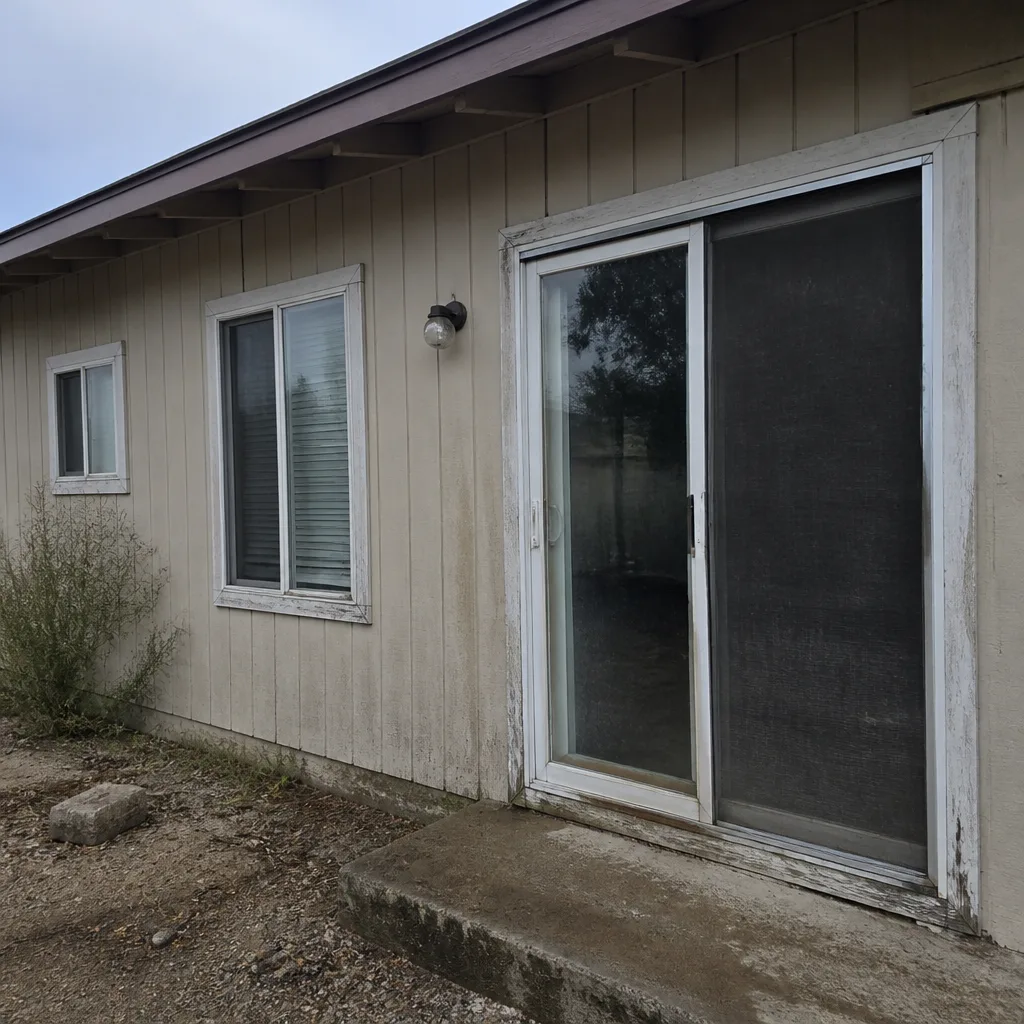 Before
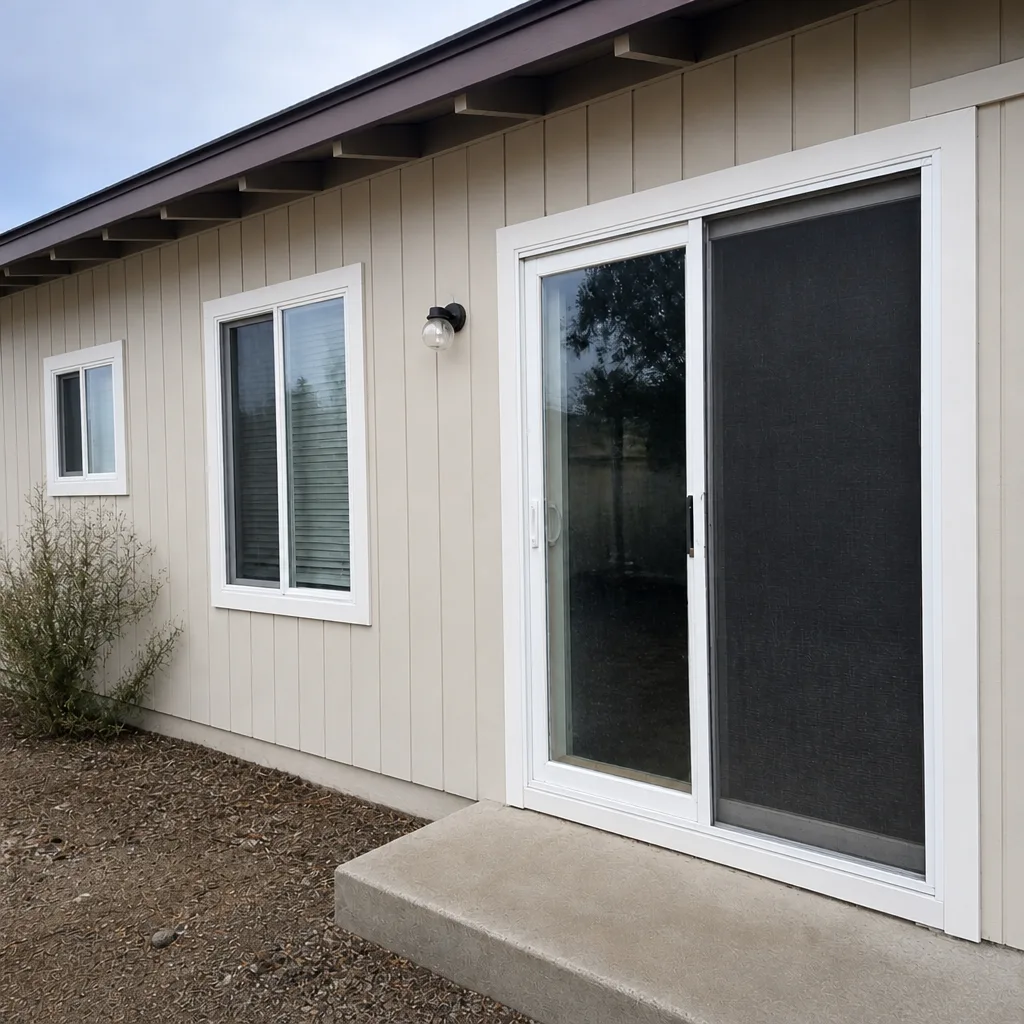 After
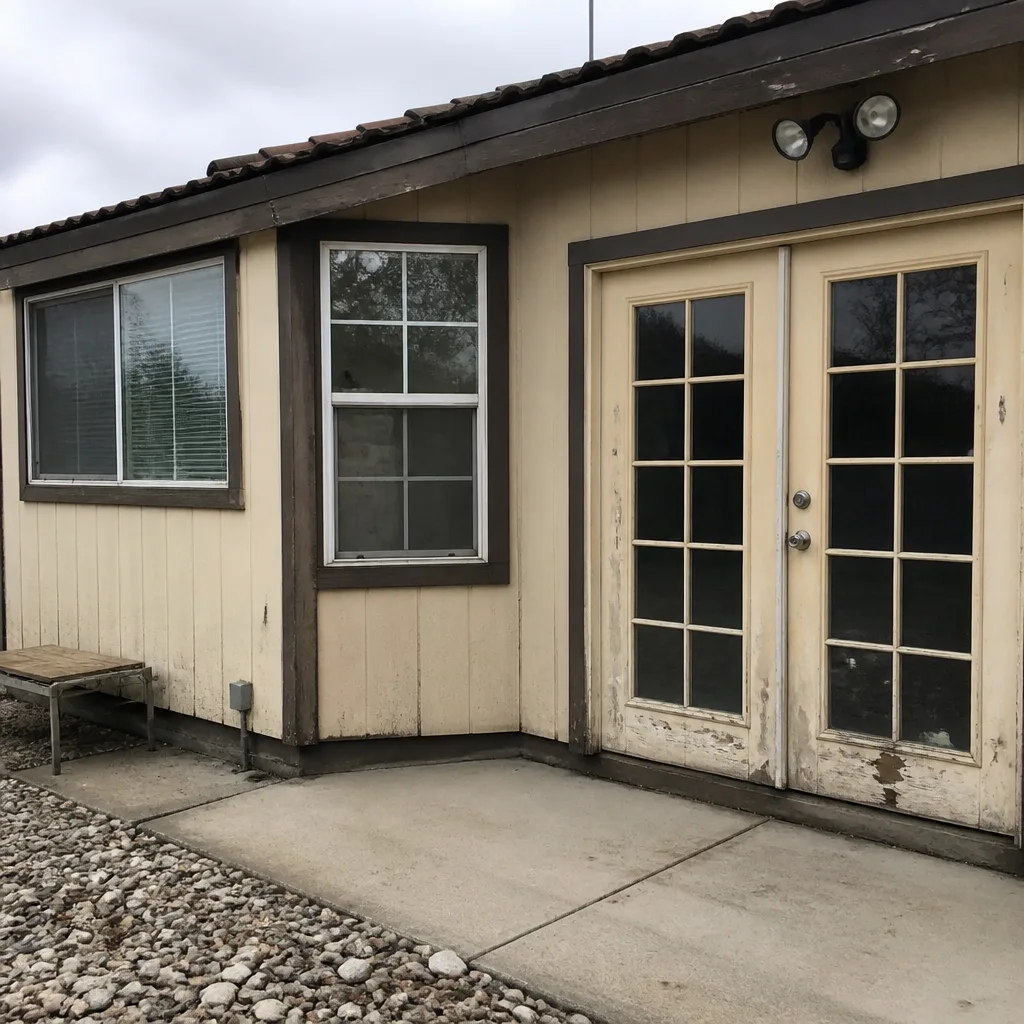 Before
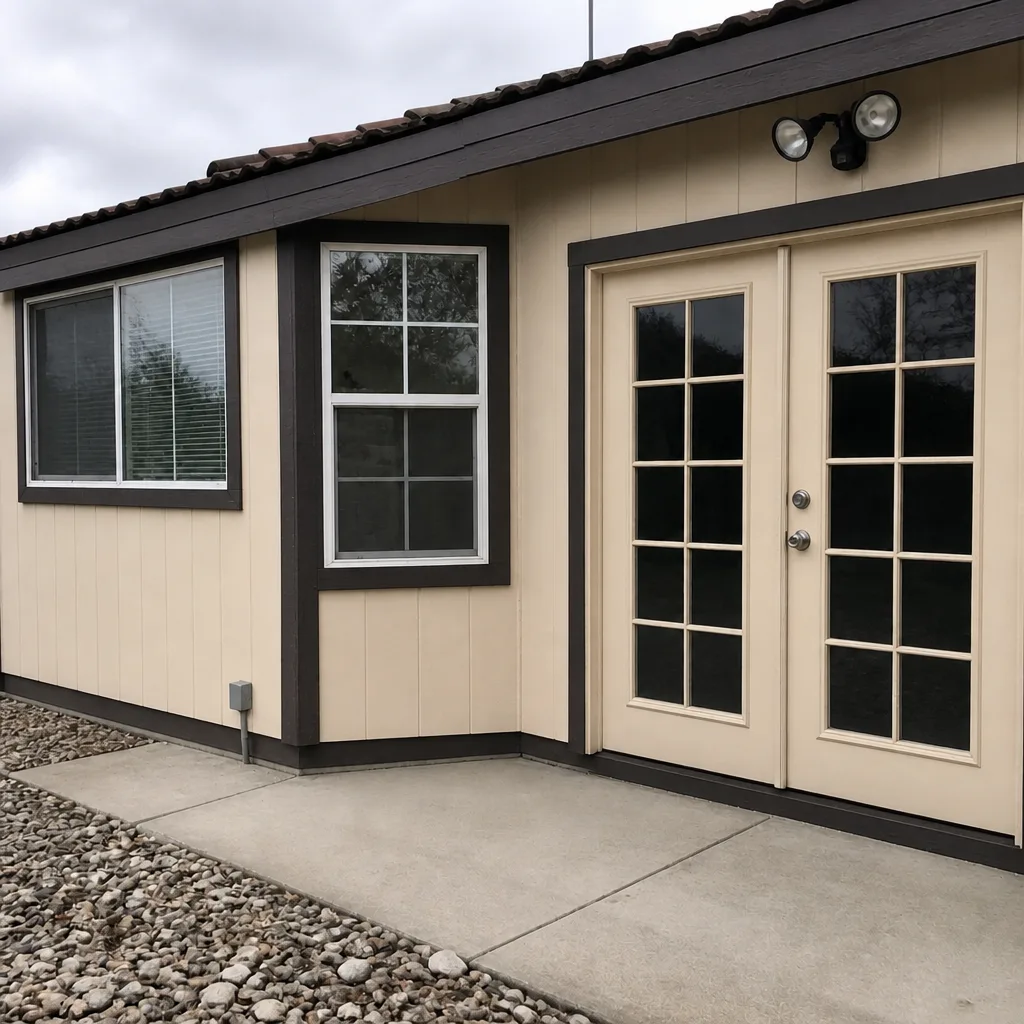 After
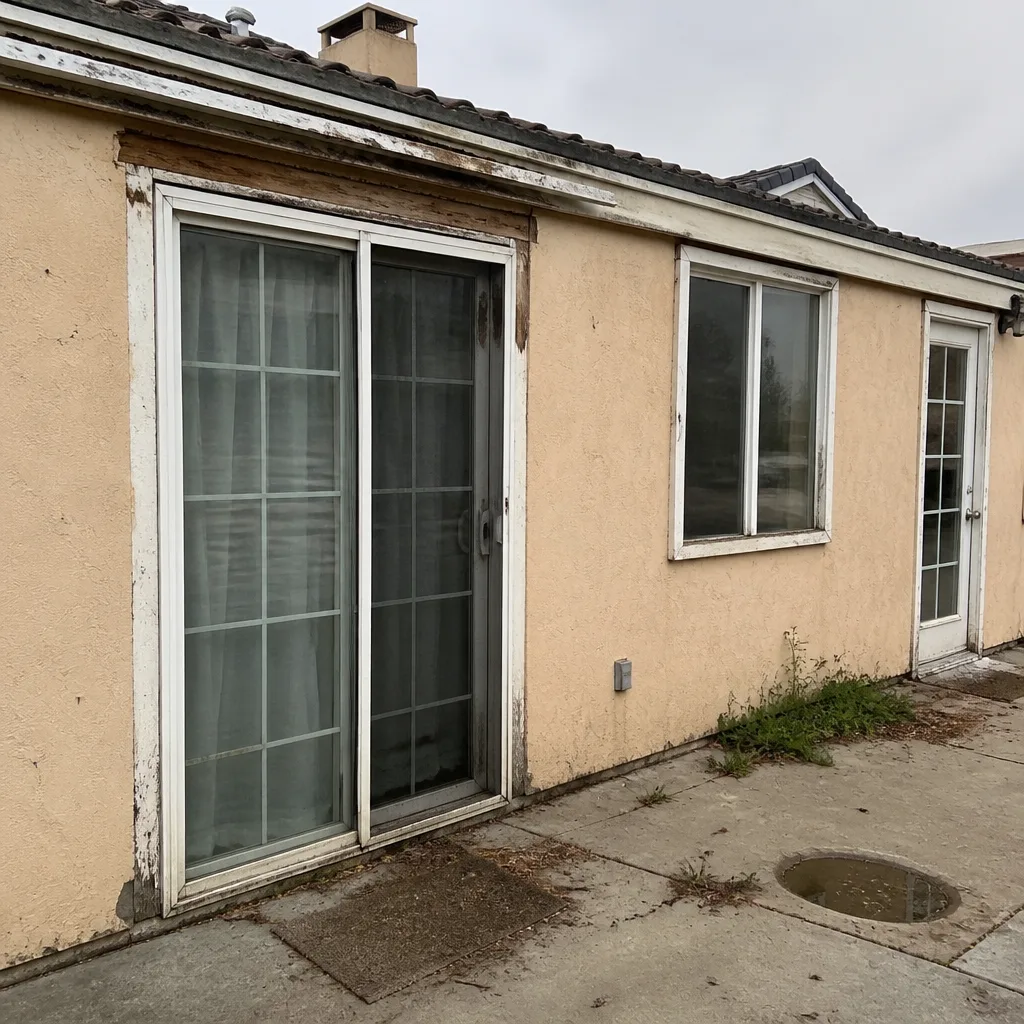 Before
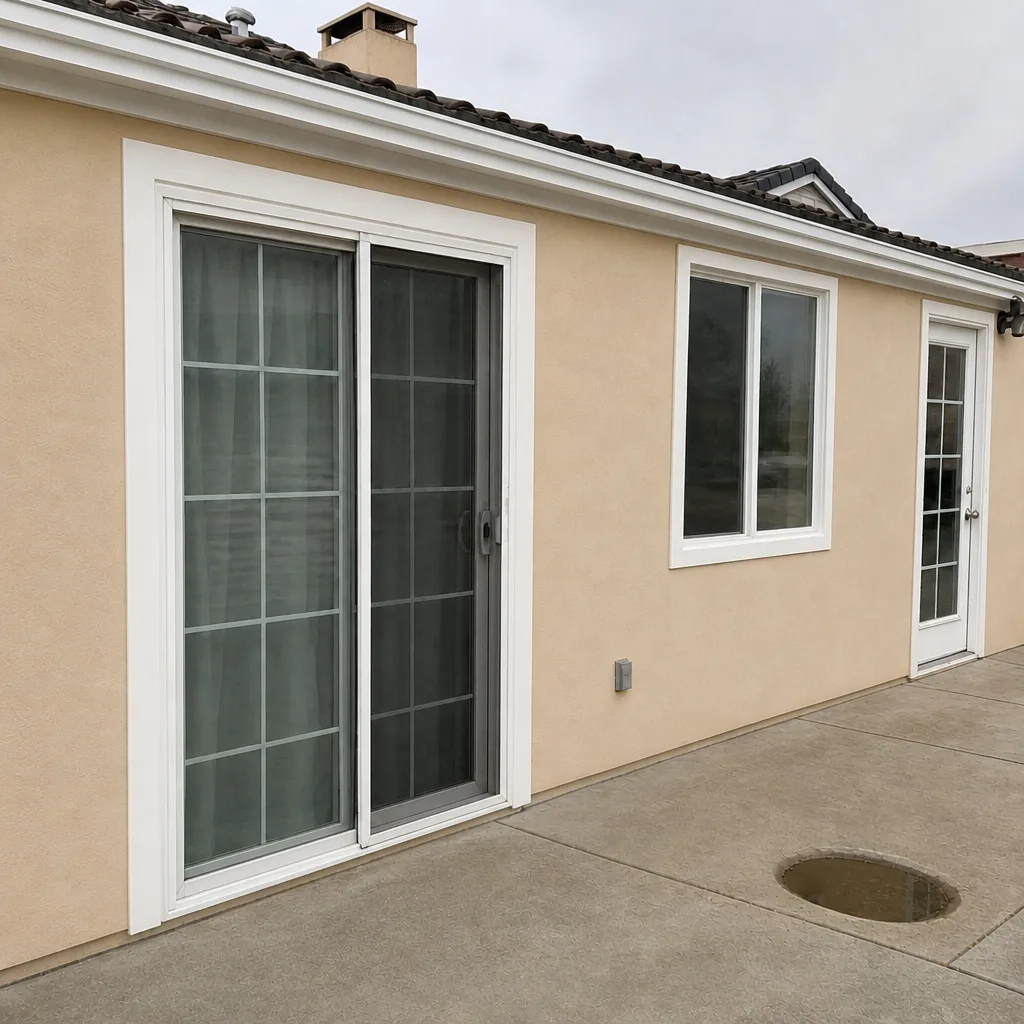 After
When to Call a Professional
Call a professional when a window or door shows structural signs: a binding sash that gets worse over time, a door that has stopped latching, frame separation at the rough opening, water staining inside the wall, or glass fog that appears after a rain. Call sooner if you see soft wood. Glass between the panes can be replaced by a technician, but the wrong glass unit in the wrong opening can fail again fast, and that’s worth a proper measurement. For doors in Whitney, a slab that won’t latch and a threshold that’s taking water are both signs to get the opening checked before the damage spreads. Whitney Windows & Doors offers free estimates in Whitney. Call (844) 722-8594 and we’ll walk through the signs together, then give you a written estimate that sets the price.
Frequently Asked Questions
No, not by itself. Surface condensation wipes off and usually points to humidity in the room or a ventilation issue, not a failed window. Condensation between the panes is the one that means replacement, because the sealed glass unit has lost its fill. If you can’t tell which one you’re seeing, run a finger across the glass: if it smears, it’s on the surface, and if it doesn’t, it’s inside the unit. Call (844) 722-8594 for a free estimate if the fog is between the panes.
Seasonal stick usually means the opening is moving, not the door. The clay soils in the area expand and contract with the moisture cycle, and that movement passes through the foundation into the wall and the opening. A door that binds in one season and clears in the next is telling you the wall has shifted. It’s worth having the opening measured before you replace the door. Call (844) 722-8594 to book a free estimate.
It depends on whether the frame is square. If the smoke test at the sash gap shows the frame is out of square, the correct fix is realignment or replacement, and track lubrication won’t hold for long. If the frame is still square and the hardware is worn, a component repair is the right answer. Our team checks the frame first, then quotes the fix that will actually last. Call (844) 722-8594 for a free estimate.
A bill spike that lasts more than one cycle is the signal for the envelope. A one-cycle spike is usually weather or a heating and cooling issue. To separate them, use a tissue on a windy day along each window and door perimeter and compare the run time of your HVAC. If the leak and the run time both point to the envelope, the windows and doors are the suspect and worth an inspection. Call (844) 722-8594 for a free estimate.
Yes. The dry high-desert air makes between-pane fog easier to spot, but it also means surface condensation is usually a room or ventilation issue rather than a window failure. The heat swings mean caulk and weatherstrip wear earlier than in a milder climate, and the seasonal clay soil movement makes sticking doors far more common. A Whitney-specific inspection accounts for all of it. Call (844) 722-8594 to schedule a free estimate.
If the frame is sound and dry, the answer is usually a glass unit replacement. If the frame has gone out of square or shows water damage, the right fix is a full unit replacement. That distinction is where a Whitney-based assessment pays for itself, because the two jobs are very different in cost and scope. Whitney Windows & Doors offers free estimates. Call (844) 722-8594 and we’ll measure the frame before we quote either.
The Bottom Line
The lesson of this guide is that the visible signs are the last chapter, not the first. Surface condensation, a sticking sash, a draft at the sill, a bill that jumped: each one is pointing at something underneath. Read the condensation before you replace the glass. Trace the draft before you caulk. Check the frame for square before you replace the hardware. Then decide whether the answer is a quick repair, a component replacement, or a new unit, and put the decision in the hands of a specialist who only does windows and doors. That’s the whole reason Whitney Windows & Doors exists as a focused trade contractor. From impact-rated to energy-efficient product lines, we can walk you through your options and give you a written estimate that sets the price before the work starts.
Talk Through What You’re Seeing
If you’d rather not guess, call us. A technician can look at the signs with you, check the frame and the seal, and tell you honestly whether you’re looking at a repair, a component swap, or a replacement. Call (844) 722-8594. We answer 24/7. Fast dispatch from 7am to 7pm, Sunday through Friday. Estimates are free, every quote is written and line-item, and the price is set by that estimate before anyone touches a window. We’re Whitney Windows & Doors, and our technicians have up to 11 years of experience with homes across Whitney.
Written by the team at Whitney Windows & Doors.