Last updated November 18, 2026
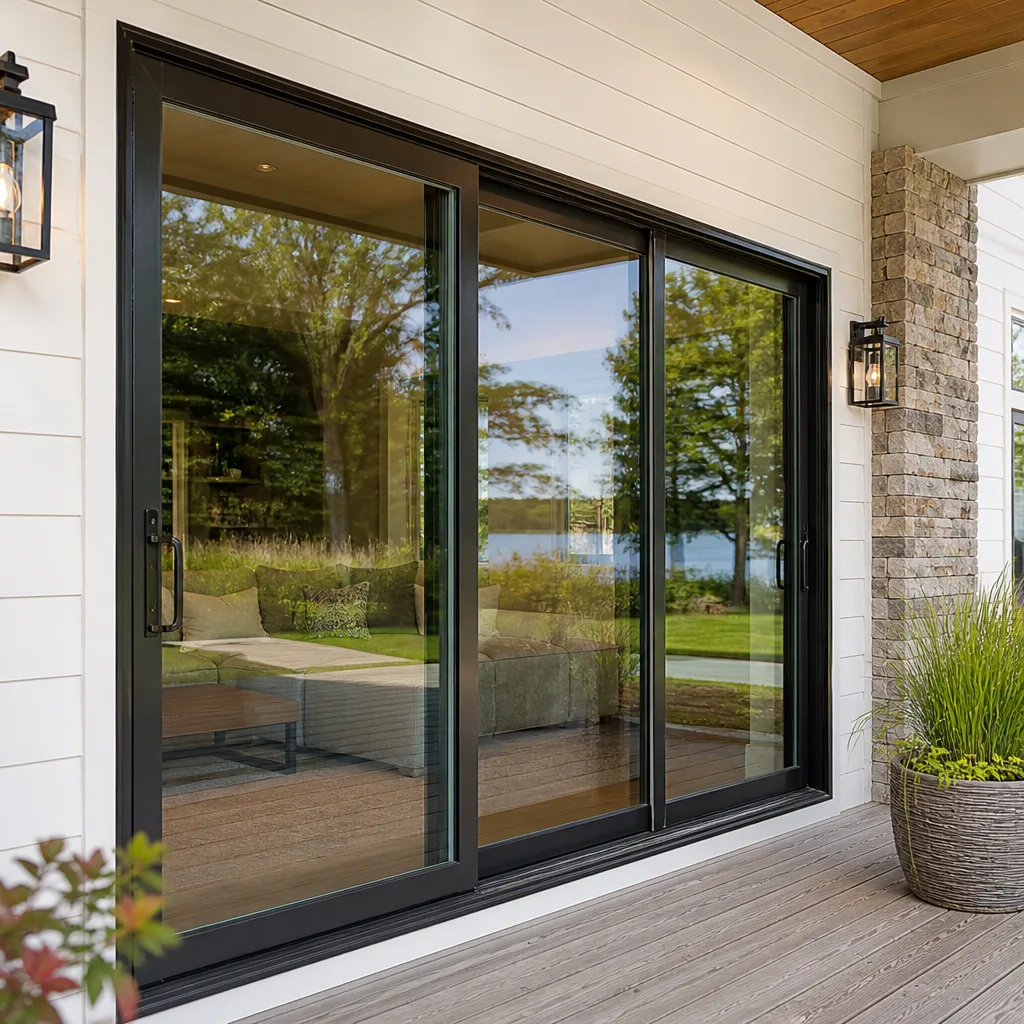 Sliding glass doors
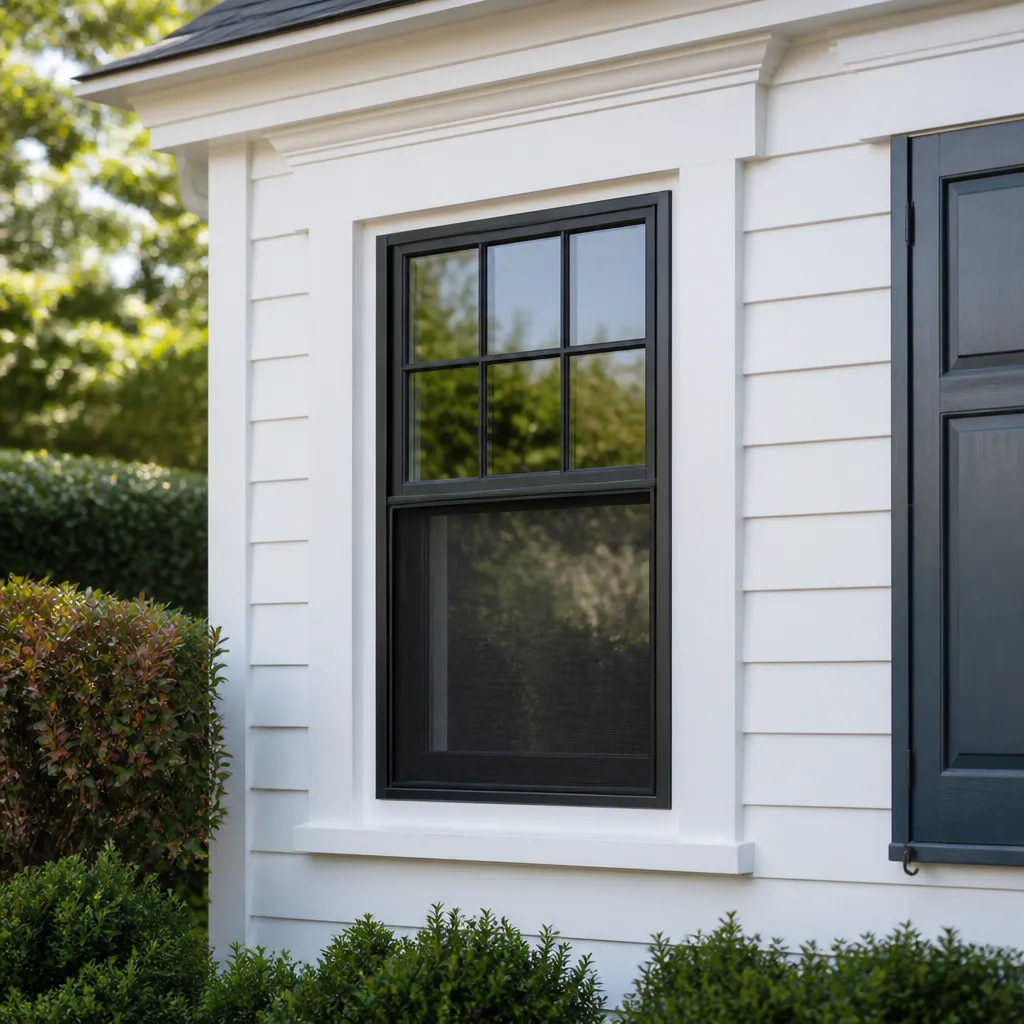 Single hung
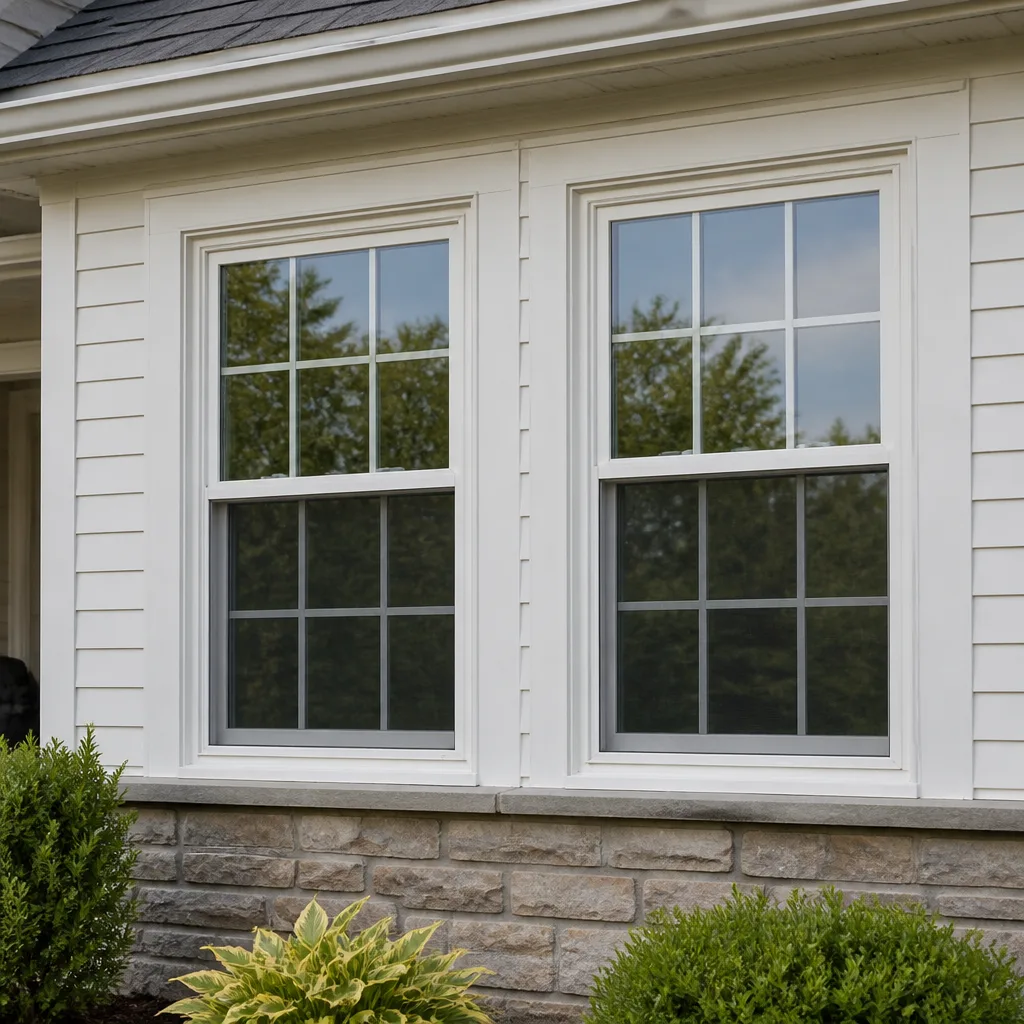 Double hung
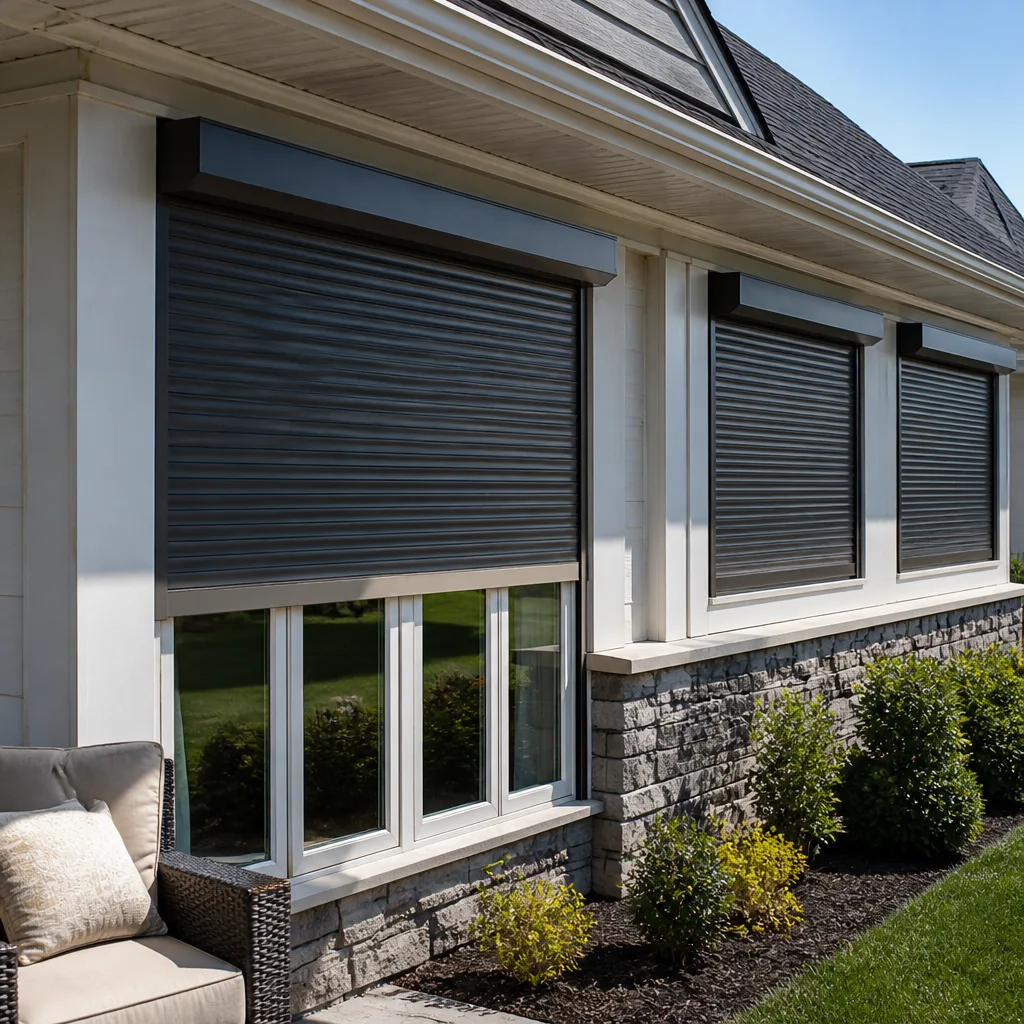 Horizontal roller
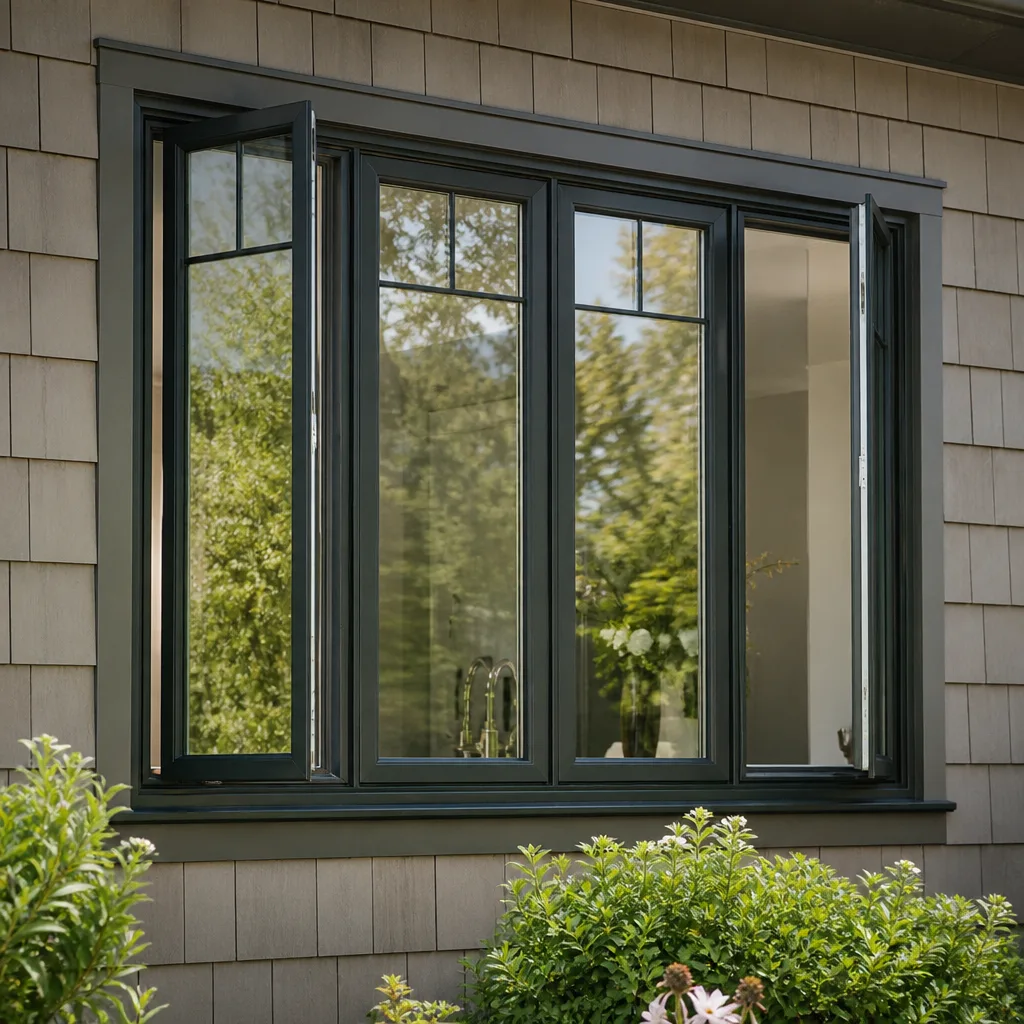 Casement
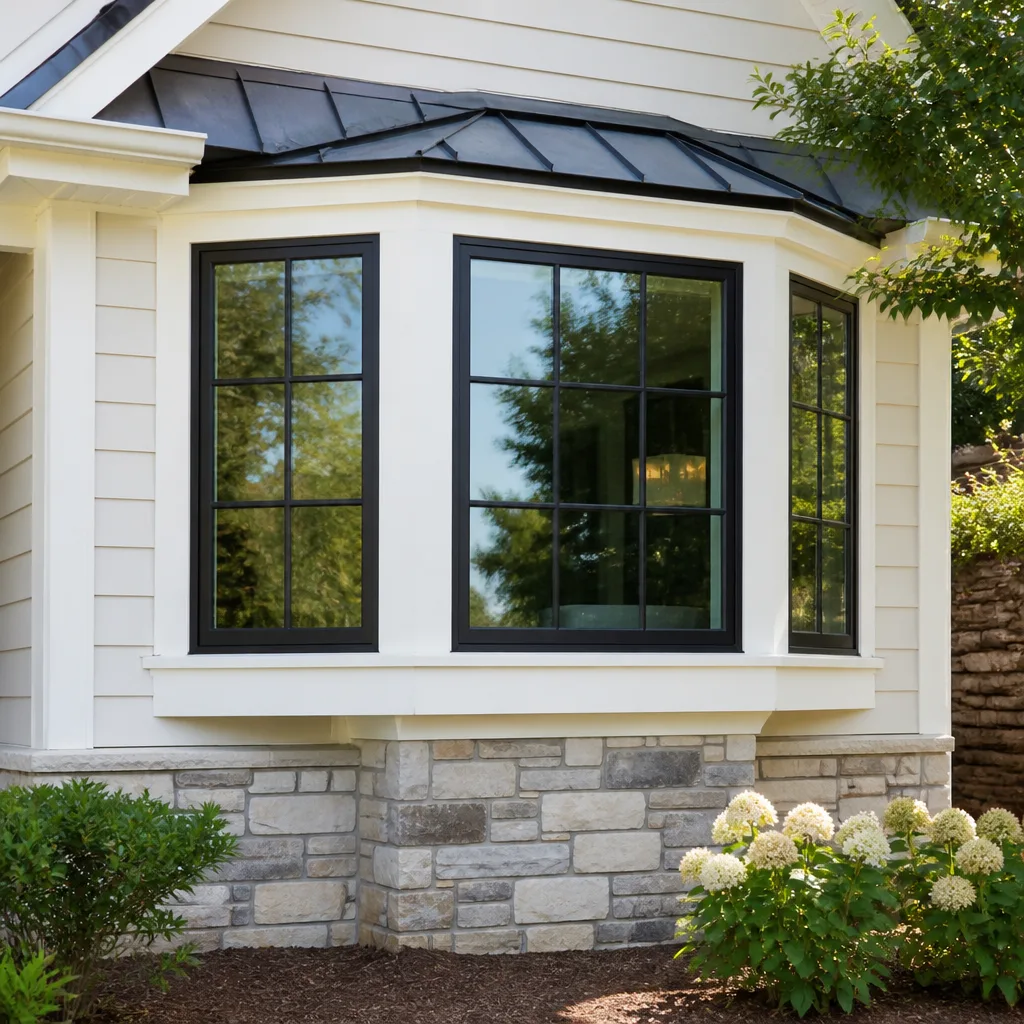 Bay & bow
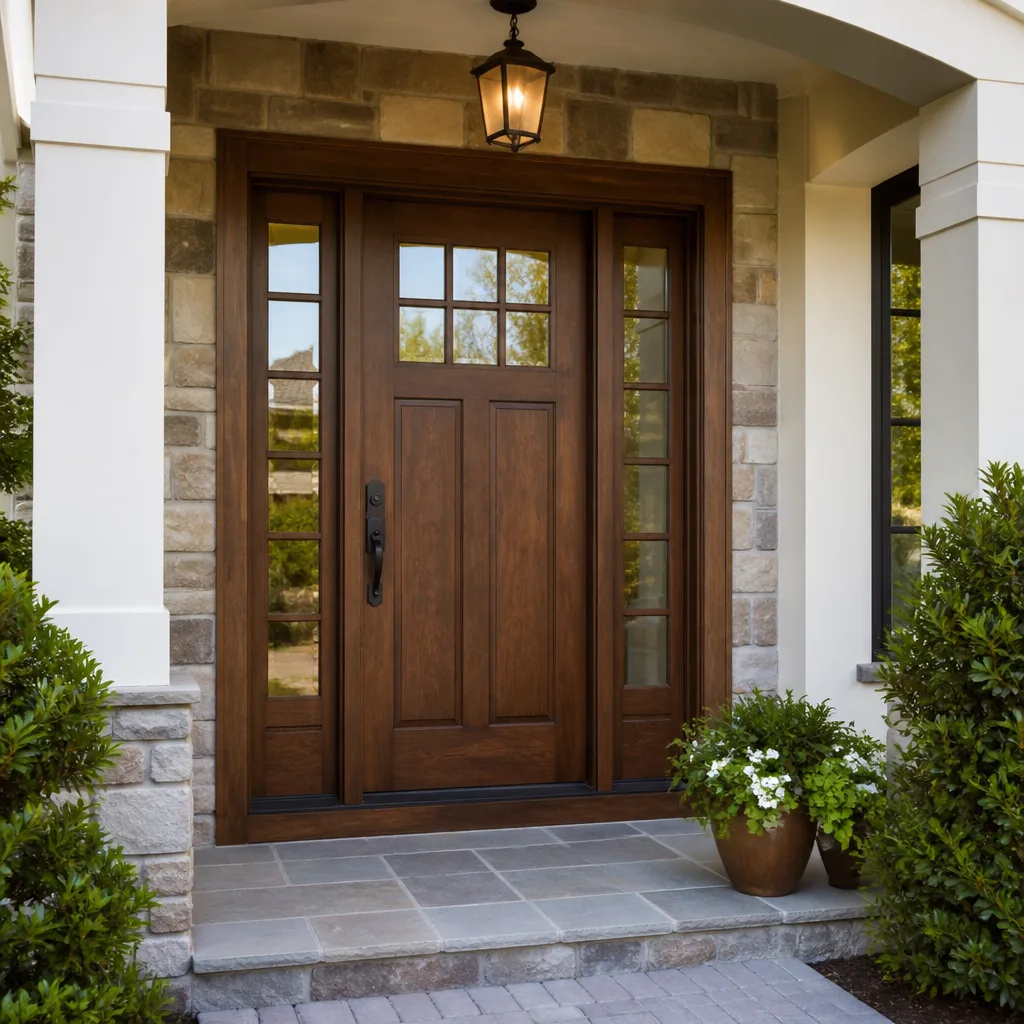 Entry doors
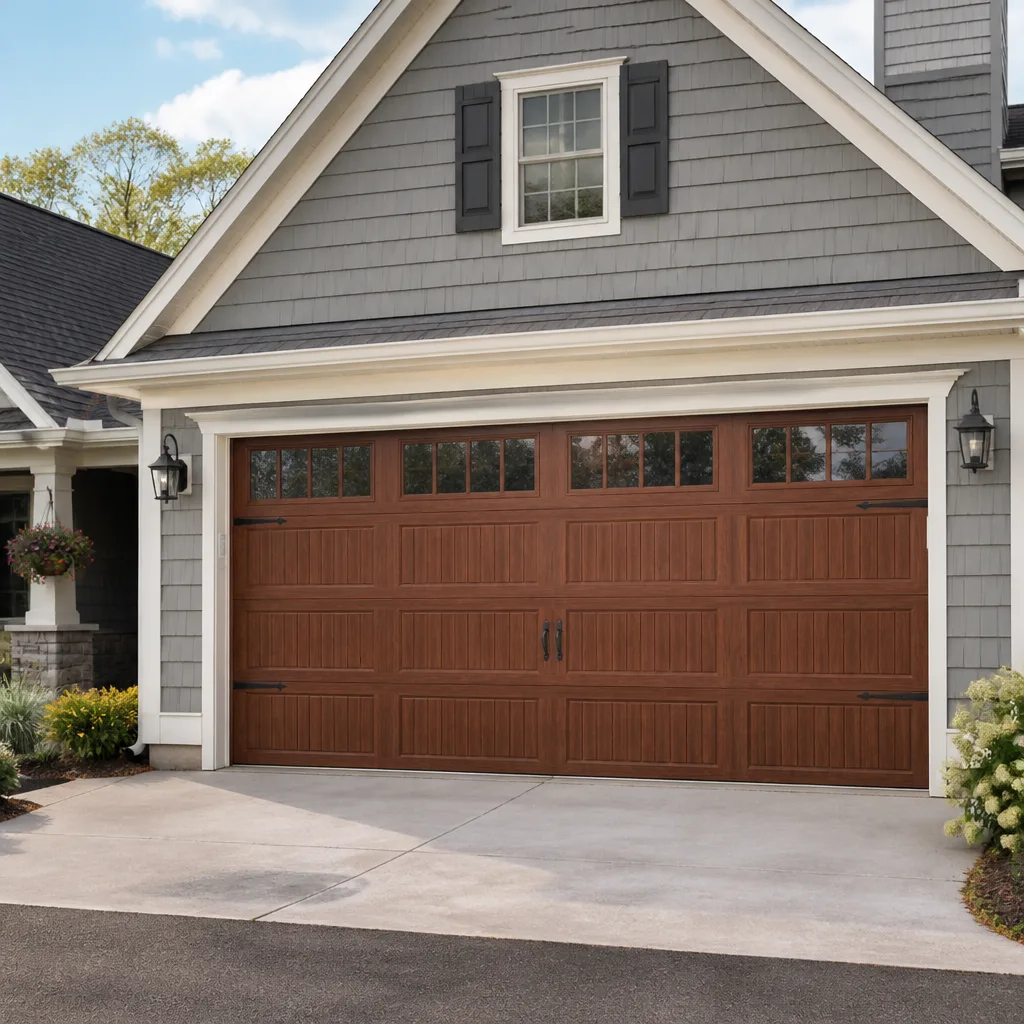 Impact garage doors
 PGT
 CGI
Free in-home measure and quote - PGT, CGI and CWS impact lines compared on your actual openings, style by style
Get your free estimateWindows & Doors Permits, Codes & Inspections in Whitney, NV: What You Need to Know
Most homeowners in Whitney assume a like-for-like window swap never needs a permit. That assumption is where things go wrong. Clark County can require permits and inspections for replacement work based on square footage thresholds and how the new units perform against Nevada’s energy code, and the gap between what you assume and what was filed often surfaces during a buyer’s due diligence, not during installation. This guide walks through when a permit is required in Whitney, NV, what inspectors actually check, how the filing process works, and why “exempt” and “not required” are different words. Our team at Whitney Windows & Doors works through these rules on every project.
Quick Answer
In Whitney, NV, window and door replacements generally require a Clark County building permit when the work changes the building envelope, alters the opening size, or replaces units that don’t meet Nevada Energy Code performance minimums. A true like-for-like swap of one or two units may qualify as exempt, but “exempt” is not the same as “not required,” and inspectors can still review the work at resale. The safest path is to confirm the threshold with Clark County before installation, not after escrow opens.
Styles & brands we work with
- Single hung
- Double hung
- Horizontal roller
- Casement
- Bay & bow
- Sliding glass doors
- Entry doors
- Impact garage doors
- PGT
- CGI
Table of Contents
- Clark County Permit Thresholds for Windows in Whitney
- What Nevada Energy Code Requires of Replacement Windows
- Permit “Exempt” vs. Permit “Not Required”: Why the Difference Matters
- How to File a Permit Application with Clark County
- The Inspection Sequence: What Inspectors Check and When
- Door Replacement Permits: What’s Different from Windows
- What Happens to an Insurance Claim on Unpermitted Window Work
- Resale, Appraisal, and Escrow: The Long Tail of Unpermitted Work
Clark County Permit Thresholds for Windows in Whitney
Clark County treats window replacement as construction work, and permit requirements hinge on what the work actually changes. The county distinguishes between an in-kind swap – same size opening, comparable unit, no structural change – and work that touches the building envelope, opening sizes, or the performance profile of the home. Most straightforward replacements in Whitney fall on the low end, but the boundary is not as clear-cut as the “just replacing” framing suggests.
Here is how the requirements break down in practice:
- Like-for-like swaps of a limited number of units: often treated as exempt from a full permit, provided the new units meet the energy code minimums and the openings don’t change.
- Whole-house replacement or replacement of a large portion of glazing: typically triggers a permit application and at least one inspection, because the aggregate window area affects the home’s overall envelope performance.
- Any change to rough opening size, header, or structural framing: always requires a permit, no exceptions.
- Replacement in a home built before certain energy code cycles: requires permit and inspection, because the home must be brought up to the current code minimum for the new units.
- Door replacements that alter the opening, sidelites, or transoms: permit required.
We can’t give you a single number that guarantees a permit-free job, because the threshold depends on the aggregate square footage of glazing, the home’s construction year, and the specific performance ratings of the units going in. A Whitney home with a handful of small slider replacements is a different conversation than a Whitney home replacing two dozen units across a single-story elevation. The right answer is to ask the county directly with the address and the proposed product specs, and we help homeowners do exactly that before a contract is signed.
One thing to keep straight: Clark County’s permitting system is built on the building code adopted at the state level, and the county applies it consistently across the Las Vegas Valley, including Whitney. That means a rule that applies on the east side of the valley applies here too. For a deeper walkthrough of how replacement projects are scoped, see our page on window replacement.
What Nevada Energy Code Requires of Replacement Windows
Nevada’s energy code sets minimum performance standards for windows and doors installed in climate zone 3, which covers the Whitney area. In practical terms, that means replacement units have to hit a U-factor and Solar Heat Gain Coefficient (SHGC) threshold appropriate to this climate. Inspectors and permitting staff review these ratings against manufacturer documentation, not against the number printed on a sales brochure.
What inspectors actually want to see on a replacement project:
- The manufacturer’s technical data sheet for the specific model and glazing package being installed, showing U-factor and SHGC ratings.
- Third-party certification documentation – typically a National Fenestration Rating Council (NFRC) label – attached to the unit or available in the project file.
- The permit application with product model numbers and performance specs that match the units on site.
- Installation verification at inspection: flashing, sealing, and anchorage consistent with the manufacturer’s installation instructions.
Where homeowners get tripped up is mixing product tiers across an elevation. A builder-grade unit on the back of the house and a high-performance unit on the front may both pass individually, but the aggregate calculation for whole-house replacement can fall short if the code official is checking envelope performance across all new glazing. This is one reason we carry both impact-rated and energy-efficient lines from brands like PGT and CGI – the right window for your home is not just the one we happen to stock, and the spec sheet has to fit the code, not the marketing.
Whitney’s high-desert climate matters here. Summers push the solar heat gain coefficient requirement toward the stricter end, and winters require reasonable thermal performance to keep heating loads down. A unit that performs fine on the coast may not meet Nevada’s climate zone 3 thresholds. Check the NFRC ratings against the code requirement for this zone before ordering, and keep the documentation in a file. Inspectors will ask for it.
Permit “Exempt” vs. Permit “Not Required”: Why the Difference Matters
These two phrases sound like they mean the same thing. They do not. A permit “exemption” is a specific provision in the code that says a certain category of work does not require a permit, but the work still has to comply with every other applicable code requirement. A permit with no filing requirement is different – the work itself sits outside the permit system entirely. For window and door work in Whitney, almost nothing falls into that second category.
Why the distinction matters:
- Insurance: if a window failure leads to water intrusion and you file a claim, the adjuster will look at whether the installation complied with code. “Exempt” installation means compliant; “unpermitted” installation can complicate the claim.
- Resale disclosure: Nevada’s seller disclosure form asks about unpermitted work. Answering honestly means disclosing the exemption status; answering dishonestly creates a legal problem later.
- Appraisal: an appraiser may flag unpermitted improvements that affect the home’s condition or value, particularly when the improvement is visible in the comparable property analysis.
- Inspection at resale: a buyer’s home inspector can identify recently replaced windows and may recommend verification of permit status through the county. That is where the ambiguity surfaces.
We’ve seen the confusion most often on like-for-like swaps. A homeowner replaces six windows with the same size, same style, and a code-compliant unit. That job may qualify for the exemption. The same homeowner later re-sells and the buyer’s agent pulls the permit history and finds nothing. Nothing is wrong, but the homeowner now has to prove the exemption applied – which means keeping the product documentation, the contract, and the installation record. The paper trail is the thing that resolves the confusion, and it only exists if the contractor and the homeowner built it.
Whitney Windows & Doors structures every project file to make that proof easy to produce later. It is one of the reasons we prefer to work with homeowners who plan to stay in the home long enough for the record to matter.
How to File a Permit Application with Clark County
Clark County accepts permit applications through its online portal for residential window and door work. The process is straightforward if you have the right documentation ready. Here are the steps we walk homeowners through when a Whitney project requires a permit:
- Gather the property information. Address, parcel number, and the scope of work written out clearly – number of units, opening locations, and whether any openings are changing size.
- Collect the product documentation. Manufacturer spec sheets, NFRC labels, and the installation instructions for each product line being installed.
- Complete the residential permit application. The county’s online portal accepts these for window and door replacements. The applicant can be the homeowner or the licensed installing contractor.
- Submit plans or a scope narrative. Most residential window replacements do not require full architectural drawings, but the scope has to be specific enough for the reviewer to match it to the code requirements.
- Pay the permit fee. Fees vary by scope and valuation. Get the exact fee from the county at the time of application.
- Wait for review. Simple residential window permits often clear the review quickly; larger scopes or structural changes take longer.
- Schedule the inspection. Once the permit is issued and the work is installed, request the inspection through the portal.
We handle the filing on every project where a permit is required, and we keep the paperwork in the project file so the homeowner has it at resale. The team at Whitney Windows & Doors does not hand this back to the homeowner as a research project. For new-construction scopes, our window installation process runs through the same filing steps, just on a different timeline.
The Inspection Sequence: What Inspectors Check and When
Window and door inspections in Clark County typically happen in one or two stages, depending on the scope. For most replacement work, a single final inspection covers the project once installation is complete. For new construction or work where the rough opening is being modified, there is generally a framing or rough-in inspection before the units go in, and then a final inspection after.
What inspectors are checking at the final inspection:
- Product match. The installed units match the models on the permit application and the spec sheets submitted.
- Performance ratings. U-factor and SHGC fall within the code requirements for the climate zone, verified against NFRC labels on the units.
- Installation quality. Flashing, weather barrier integration, sealing, and anchorage match the manufacturer’s installation instructions.
- Opening dimensions. If the permit included opening changes, the inspector verifies the finished dimensions match the approved plans.
- Egress and safety glazing. Bedrooms and other sleeping rooms need egress-compliant openings; safety glazing requirements apply near doors and in specific locations.
- Door operation. Exterior doors operate correctly, latch properly, and swing clear to the required arc.
A failed inspection usually comes down to one of three things: documentation missing on site, a product that does not match the spec sheet, or an installation detail that skipped a step in the manufacturer’s instructions. When we run a Whitney project, we schedule the inspection after the mortar and sealants have cured but before we consider the job closed, so any correction happens while the crew is still on the project rather than weeks later.
This is where a specialist contractor makes the process simpler. Whitney Windows & Doors installs windows and doors exclusively, so our installing teams and our estimators read the same spec sheets, work to the same installation instructions, and know what an inspector will check. Replacement done by specialists, not generalists.
Door Replacement Permits: What’s Different from Windows
Door replacement follows different permit rules than windows, and it’s the part of the Clark County code that surprises homeowners most often. A direct like-for-like swap of an entry door in the same frame is usually exempt. The moment the frame is being enlarged, the door is being added where there wasn’t one, or sidelites and transoms are being added, the work moves into permit territory, and in some cases engineering review.
Specifically:
- Entry and patio door swaps in the existing frame: permit typically not required if the unit meets energy code minimums and no structural change occurs.
- Adding or widening an opening: permit required, and the header has to be engineered to carry the load.
- Replacing a slider with a French door or a folding system: permit required, both for the opening change and for the egress and safety glazing evaluation.
- Impact-rated door systems: permit required for most installations, with documentation of the impact rating on file.
Whitney’s door lineup runs through the Therma-Tru lines – fiberglass, steel, and the full range of exterior door systems – plus impact-rated door options from lines like ES Windows and ECO Window Systems. Because Whitney carries these as part of the same eight-brand portfolio, the permit and code conversation stays with the same people who specify and install the door. For a broader overview of our work in the area, our Whitney page covers the local projects and framing. What matters most to homeowners replacing a front door is that the new unit is spec’d for the permit the county will review, not for the door that happened to catch their eye at a showroom.
What Happens to an Insurance Claim on Unpermitted Window Work
If storm-damaged windows were replaced without the required permits, a future insurance claim may be denied or reduced. This is the scenario most homeowners never think through until they’re in it. The chain of events usually runs like this: a wind event or monsoon storm damages windows, the homeowner replaces them without a permit because the installer said it wasn’t needed, a subsequent storm causes water intrusion through a failed seal, the homeowner files a claim, the adjuster reviews the installation and finds no permit history, and the claim is contested on the basis that the installation was not verified as code-compliant.
Whether the claim gets denied, reduced, or approved depends on the policy language and the specifics of the failure. But the outcome homeowners want – a straightforward claim – is far more likely when the installation is documented and inspected. A permit creates a public record that the work was installed to code by a licensed installer. That record is what the adjuster wants to see. No permit means no record, and the homeowner is left proving the installation was done correctly using whatever paperwork they have.
For storm-damaged units that need replacement, the correct sequence is straightforward: document the damage, file the insurance claim, get the permit (if the scope requires it), install, inspect, close the claim with the inspection record attached. Skipping the permit step to save time usually costs more time later, and the insurer’s review will not line up with the contractor’s assurances. Whitney Windows & Doors can work with your insurer through the claim process and pulls the permit when the scope requires one. We answer 24/7 at (844) 722-8594 for homeowners working through storm damage.
Resale, Appraisal, and Escrow: The Long Tail of Unpermitted Work
Unpermitted window and door work rarely causes a problem on the day it’s installed. It causes a problem when the home is being sold and the buyer’s due diligence turns up the gap. Clark County’s online permit history is public, and buyer’s agents pull it as a matter of course on any home with recent visible improvements. A window replacement that shows no permit record raises a question. A window replacement that shows a closed permit with a passed inspection raises no question at all.
What actually happens during escrow:
- The buyer’s inspector flags the new windows or doors and notes the installation date against the county’s permit history.
- The buyer’s agent requests proof of permit for the replacement work, either as a disclosure item or as a contingency.
- If a permit exists and passed: the request is resolved with a copy of the closed permit, and escrow continues.
- If no permit exists: the buyer’s agent may request a retroactive permit, a professional inspection at the buyer’s expense, or a price reduction to cover the risk.
- Retroactive permit filing: Clark County may allow a permit to be pulled after the fact, but the process involves opening walls or providing manufacturer documentation, and the timeline is not in the seller’s control.
This is the scenario that tends to catch Whitney homeowners off guard most often – not because the work was poor quality, but because the paper trail wasn’t there. When we coordinate a project in Whitney, we structure the file so that the permit and inspection record can be handed to a buyer’s agent without a scramble. That is what the county’s permit system is for: it protects the homeowner through the life of the installation, including the eventual sale.
Common Mistakes to Avoid
- Assuming every like-for-like swap is permit-free. The exemption exists, but its scope is narrower than most homeowners expect – it depends on the number of units, the aggregate glazing area, and the home’s construction year. Verify with the county before work begins.
- Confusing “the installer said it wasn’t needed” with “exempt.” An installer’s verbal assurance is not a determination. Ask for the code reference and keep it in writing. If the contractor can’t cite it, that’s the answer.
- Skipping NFRC documentation. The inspector looks for the labels on the units, not just the spec sheet in the file. If the labels are missing or the model doesn’t match, the inspection can fail on paperwork alone.
- Replacing windows without checking the NV Energy Code. NV Energy programs are separate from code requirements – the county code minimums apply regardless of rebates or programs. A unit that qualifies for an efficiency program is not automatically code-compliant for the climate zone.
- Adding a door without engineering the header. Widening an opening or adding a door where there wasn’t one requires header engineering, and inspectors will ask for the calculations. Skips on this step are the most common cause of failed framing inspections.
- Writing “no permit required” on the seller’s disclosure without documentation. The disclosure form requires you to disclose unpermitted work. If the work qualified for an exemption, document the exemption and keep the file. If it didn’t, disclose it accurately.
- Assuming the buyer won’t check. They will. Clark County’s permit portal is public and every buyer’s agent uses it. A gap in the record is a question that gets asked in escrow, not a detail that gets missed.
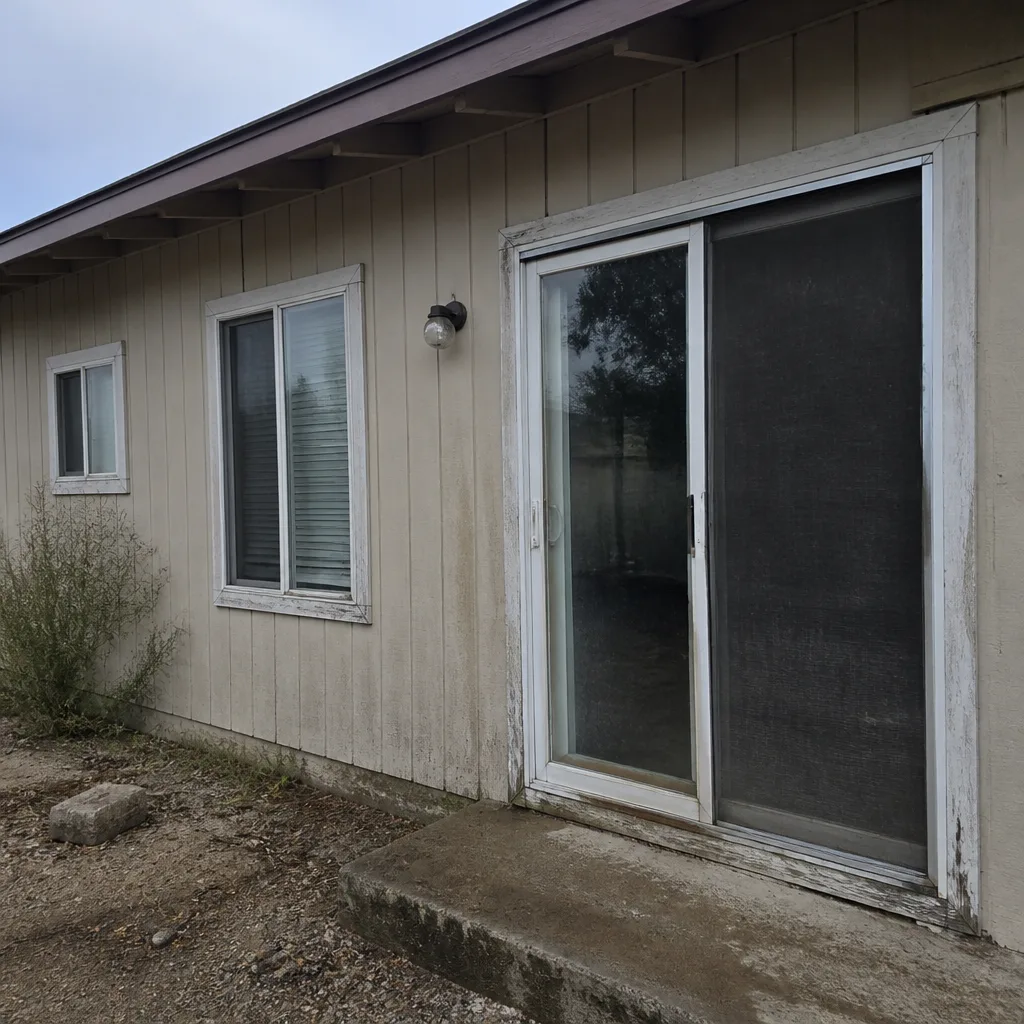
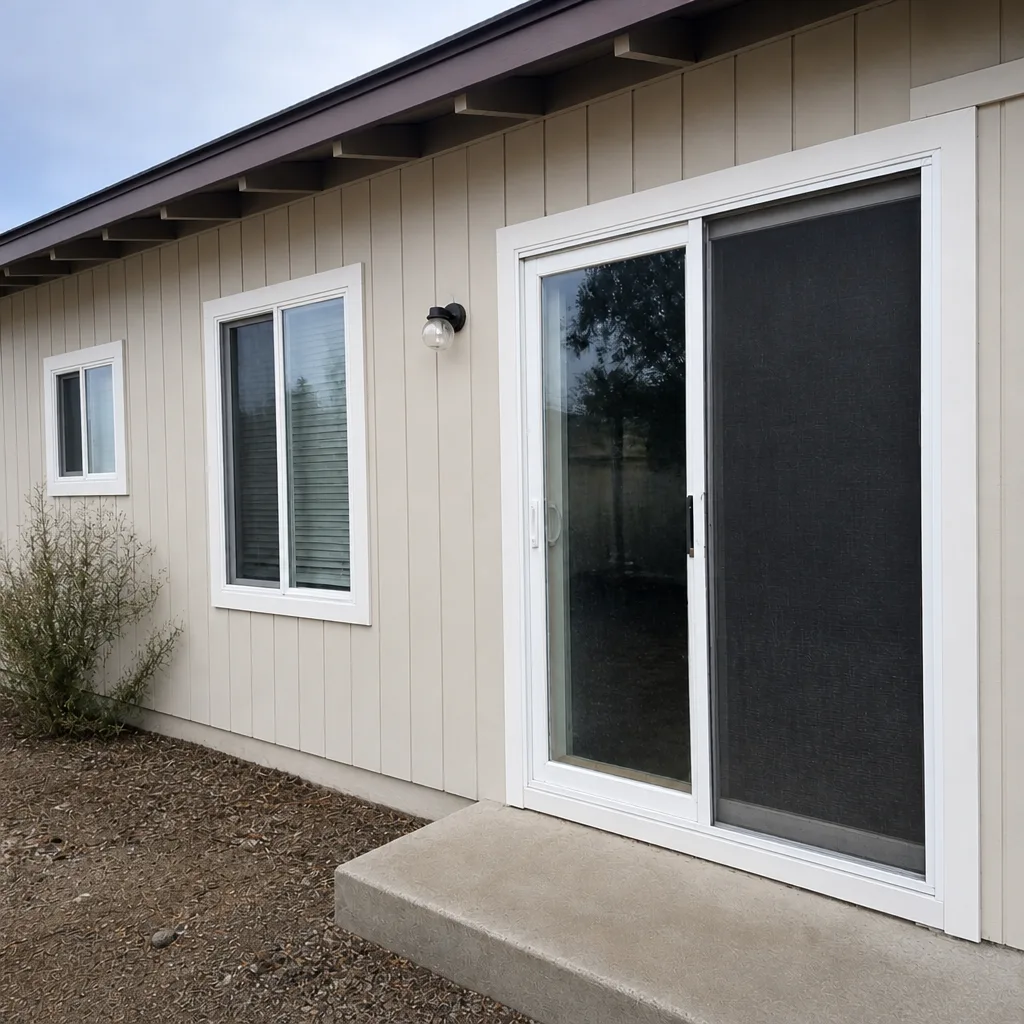
See the difference
 Before
 After
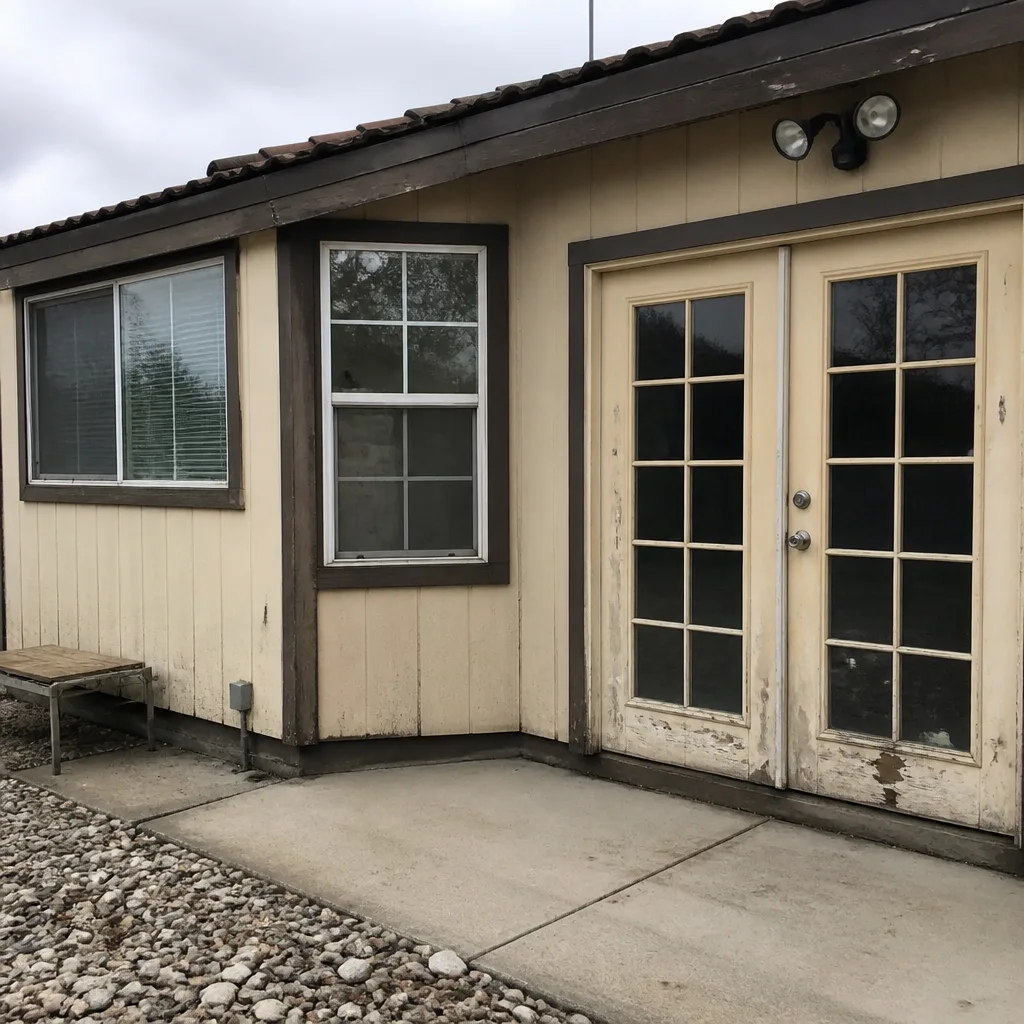 Before
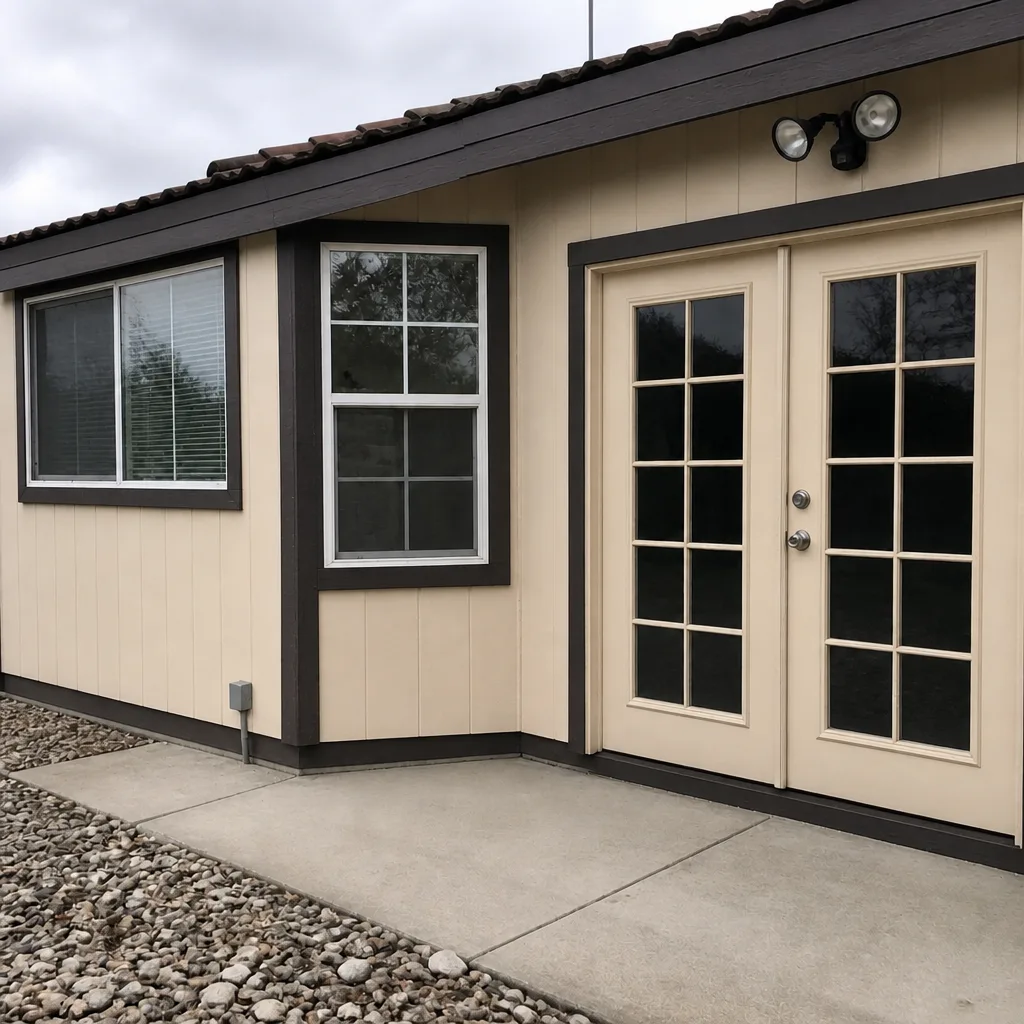 After
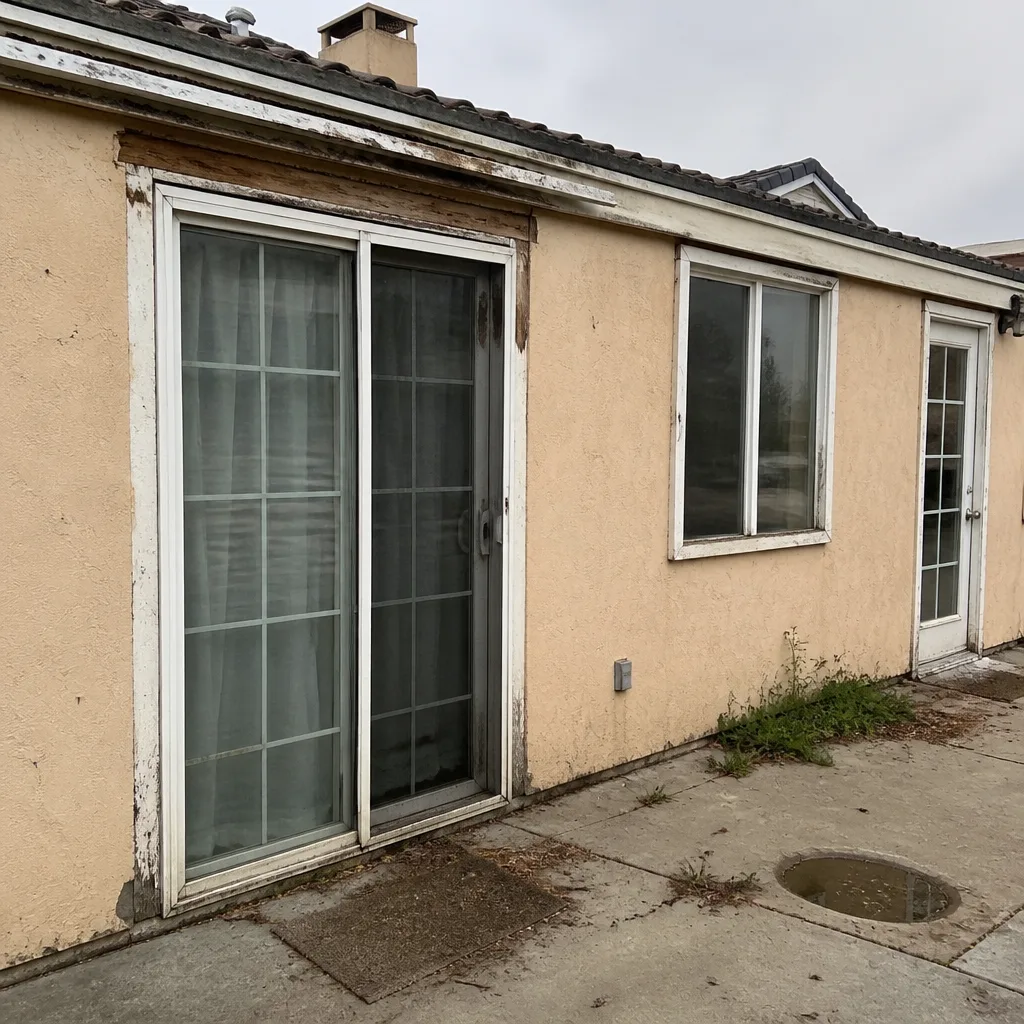 Before
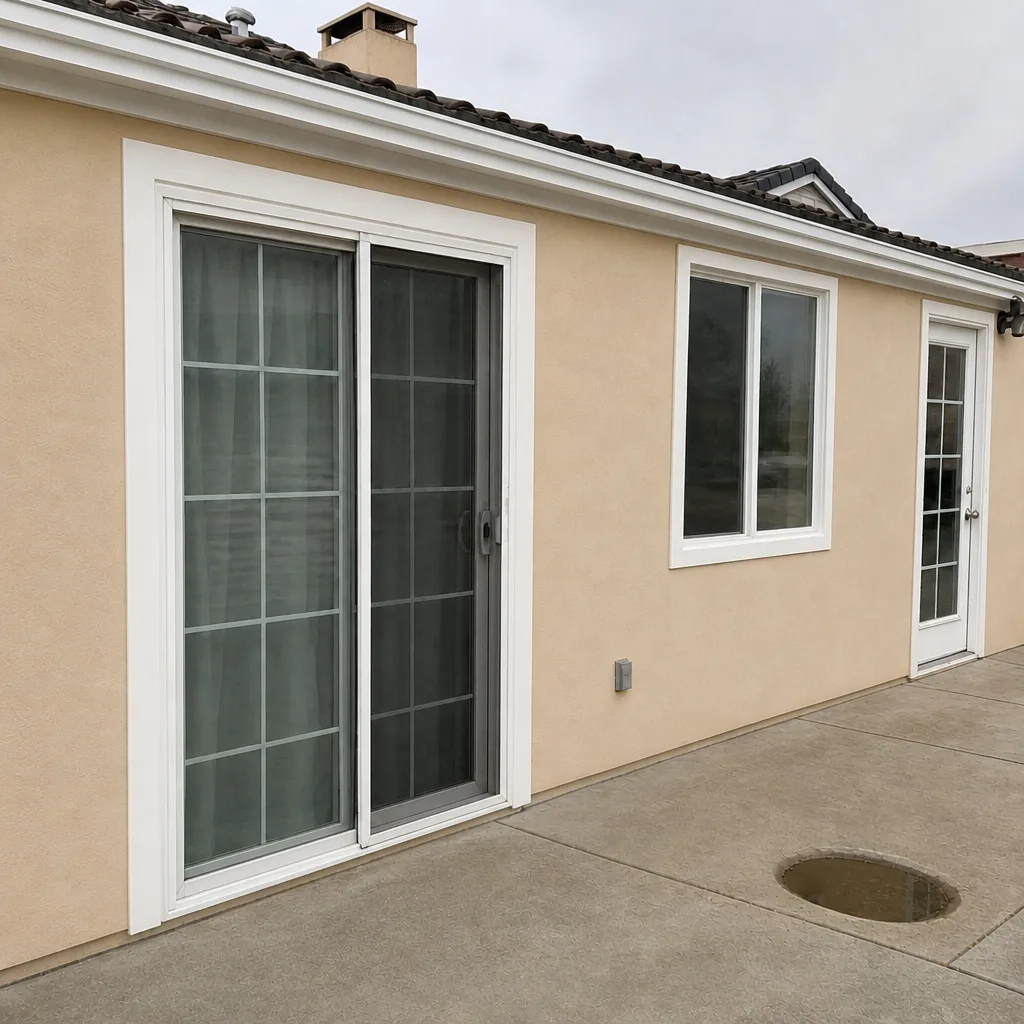 After
When to Call a Professional
If your scope involves changing an opening size, adding a door or window where there wasn’t one, replacing more than a handful of units, or replacing glazing in a home that predates the current energy code, you should be talking to a licensed window and door contractor before any product is ordered. The same is true if you’ve had storm damage and are working through an insurance claim, if you’re in a Whitney home that has been through multiple renovations, or if you’re preparing to sell and the previous replacement work has no documented permit history. Those are the situations where the installation details and the permit paperwork have to line up, and where a specialist contractor makes the difference between a clean closing and a retrofit. Whitney Windows & Doors offers free estimates in Whitney – call (844) 722-8594 and we’ll walk through your scope and the permit question together. We answer 24/7. Fast dispatch from 7am to 7pm, Sunday through Friday.
Our technicians have up to 11 years of experience across the eight-brand portfolio Whitney carries, including PGT, CGI, CWS, ES Windows, ECO Window Systems, Mr-Glass, Therma-Tru, and ViewLux. Because we install windows and doors only, we don’t route your project through a general contractor who is thinking about siding, roofing, or kitchen remodels at the same time. The permit conversation for a window job stays with the window specialist.
Frequently Asked Questions
In most cases, yes if the work touches the building envelope, changes the opening, or involves an aggregate glazing area above the county’s exemption threshold. A true like-for-like swap of a limited number of units may qualify for an exemption, but “exempt” is not the same as “not required” and the documentation still has to be kept. For an exact determination on your address, call (844) 722-8594 and we’ll help you confirm with Clark County before ordering product.
A permit exemption is a specific code provision that says a category of work does not require a permit filing, while the work still must comply with every other applicable code requirement. Work that is truly outside the permit system is rare for window and door replacements in Whitney. The distinction matters at resale and during insurance claims, because the exemption has to be documented while the “no permit required” claim often can’t be. We keep the documentation on every project so you can produce it when it’s needed.
Replacement windows installed in Whitney have to meet the U-factor and Solar Heat Gain Coefficient minimums for climate zone 3, and the inspector verifies them against the NFRC label on the unit and the technical data sheet in the project file. Builder-grade units and units with high solar heat gain often fail the climate zone check. Brands like PGT and CGI publish their NFRC ratings per model, which makes the compliance check straightforward. Call (844) 722-8594 for a scope review – estimates are free.
The claim may be denied, reduced, or contested because the adjuster will not be able to confirm the installation was code-compliant. Insurance policies typically require code compliance as a condition of coverage for the failed component, and the permit record is the primary way that compliance is shown. The safest sequence is to file the claim, get the permit if the scope requires one, install, inspect, and close the claim with the inspection record attached. Whitney Windows & Doors can work with your insurer on storm-related replacement.
Clark County accepts residential window and door permit applications through its online portal. You’ll need the property information, the product spec sheets and NFRC labels for each unit being installed, the scope of work, and the permit fee. The licensed installer or the homeowner can be the applicant. We handle the filing on every Whitney project where a permit is required and keep the closed permit in the project file. Call (844) 722-8594 to get the process started.
They can. Buyer’s agents pull the county permit history during due diligence, and a gap in the record for recent window or door work is a question that gets asked in escrow. If the work qualified for an exemption, documentation resolves it. If it didn’t, the seller may be asked to file a retroactive permit, obtain a professional inspection, or reduce the price. We structure every project file so the permit record is easy to produce at resale.
Yes. Whitney Windows & Doors handles permit filing on every project where the scope requires it, and the paperwork stays with the project file so you have it for resale, appraisal, or an insurance review. We install windows and doors only, which means the estimator, the installer, and the project manager are all working from the same product documentation the county will review. Call (844) 722-8594 to schedule your free estimate.
The Bottom Line
Window and door permits in Whitney, NV are less about paperwork and more about protecting the home through resale, insurance, and inspection. The key takeaways: like-for-like swaps of limited units may qualify for a code exemption, but the documentation still has to exist. Whole-home replacement, opening changes, and door additions always require a permit. Nevada Energy Code sets minimum U-factor and SHGC thresholds, and the inspector verifies them against NFRC labels on the units, not against the spec sheet alone. Exempt is not the same as not required. Unpermitted work surfaces in escrow, during insurance claims, and at appraisal, not during installation. The cleanest path is to confirm the requirement with Clark County before any product is ordered, keep the product documentation and the closed permit in the project file, and work with a specialist contractor whose installers and estimators read from the same spec sheets. Call (844) 722-8594 to schedule your free estimate. We answer 24/7, fast dispatch from 7am to 7pm, Sunday through Friday.
Written by the team at Whitney Windows & Doors.