Last updated November 18, 2026
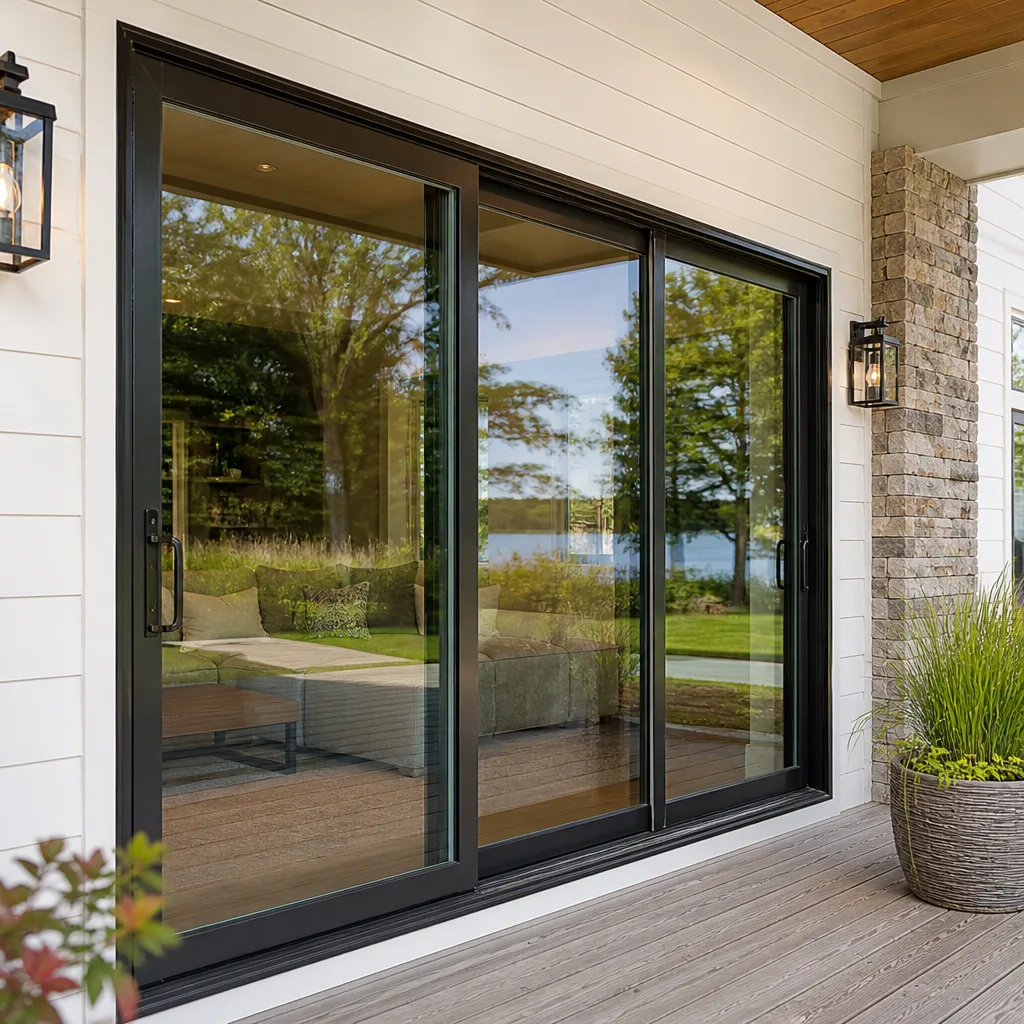 Sliding glass doors
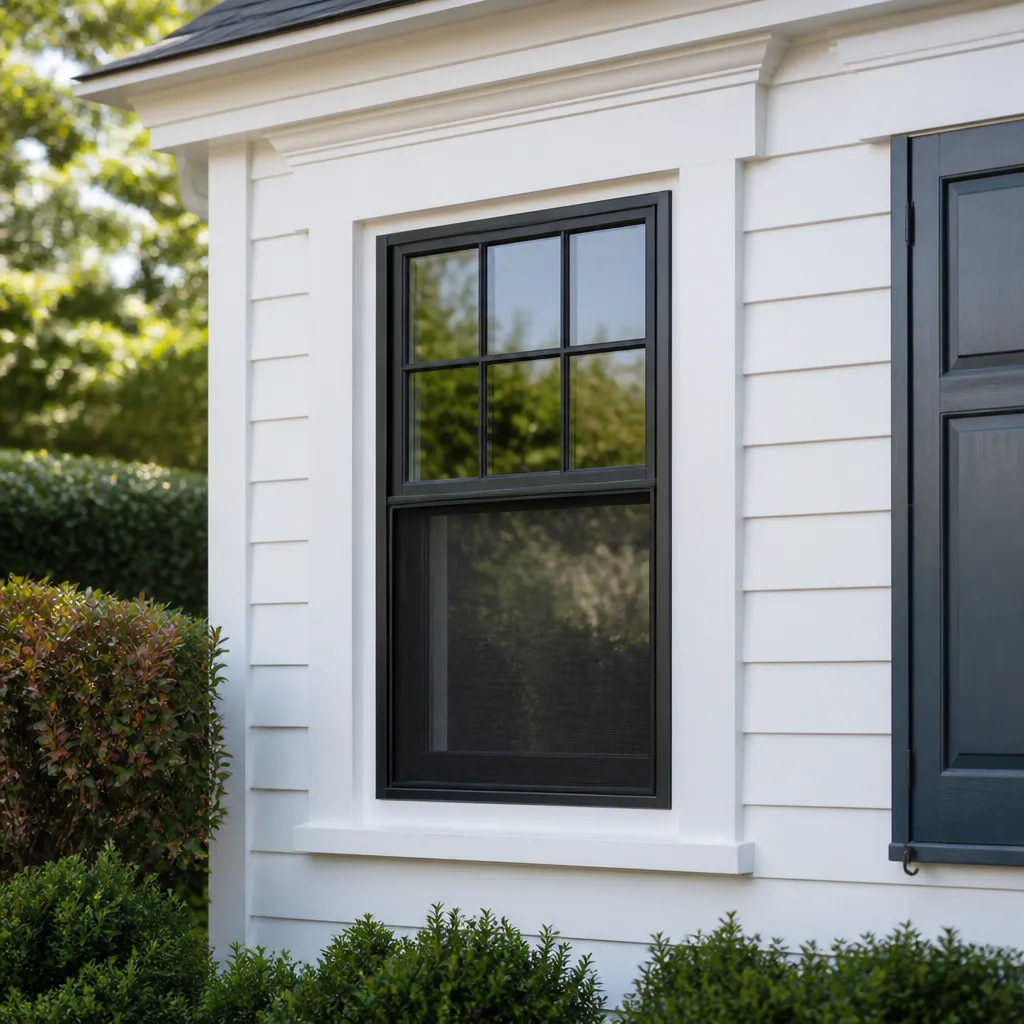 Single hung
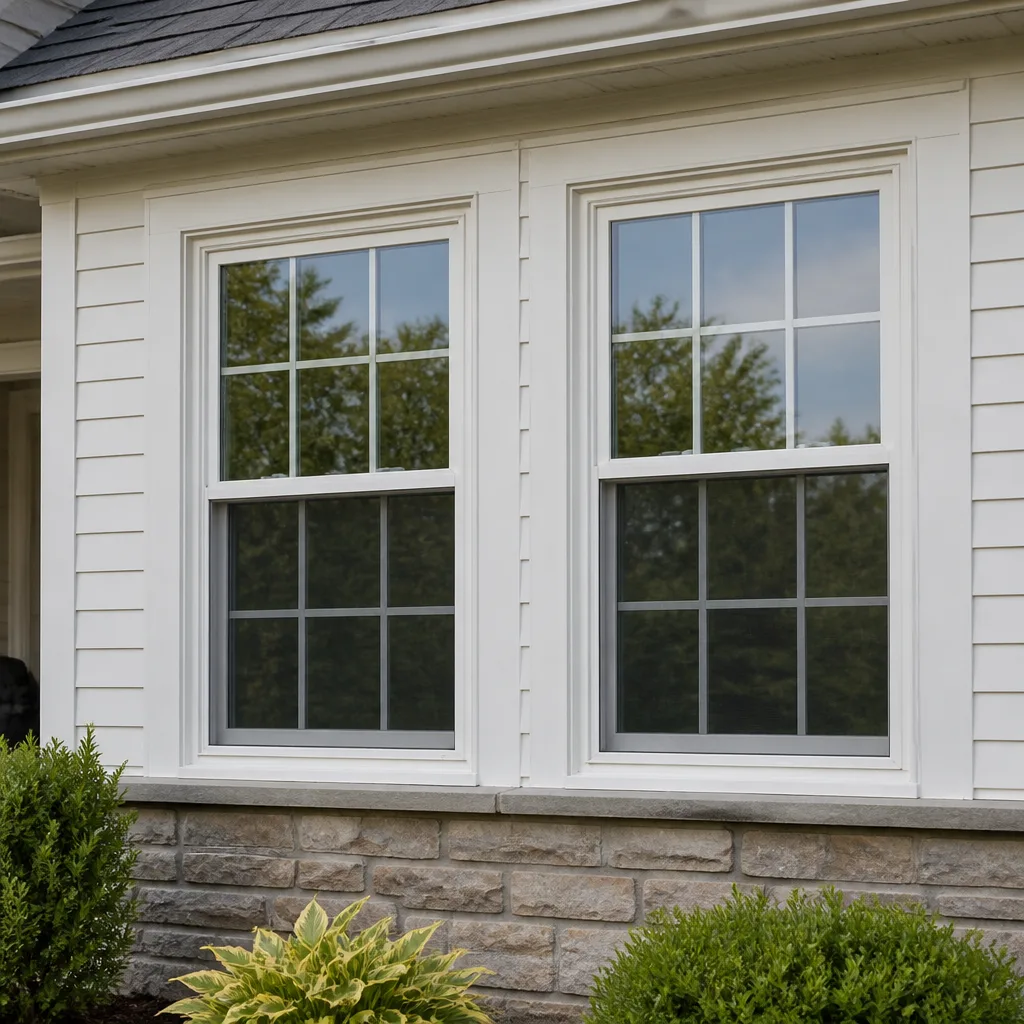 Double hung
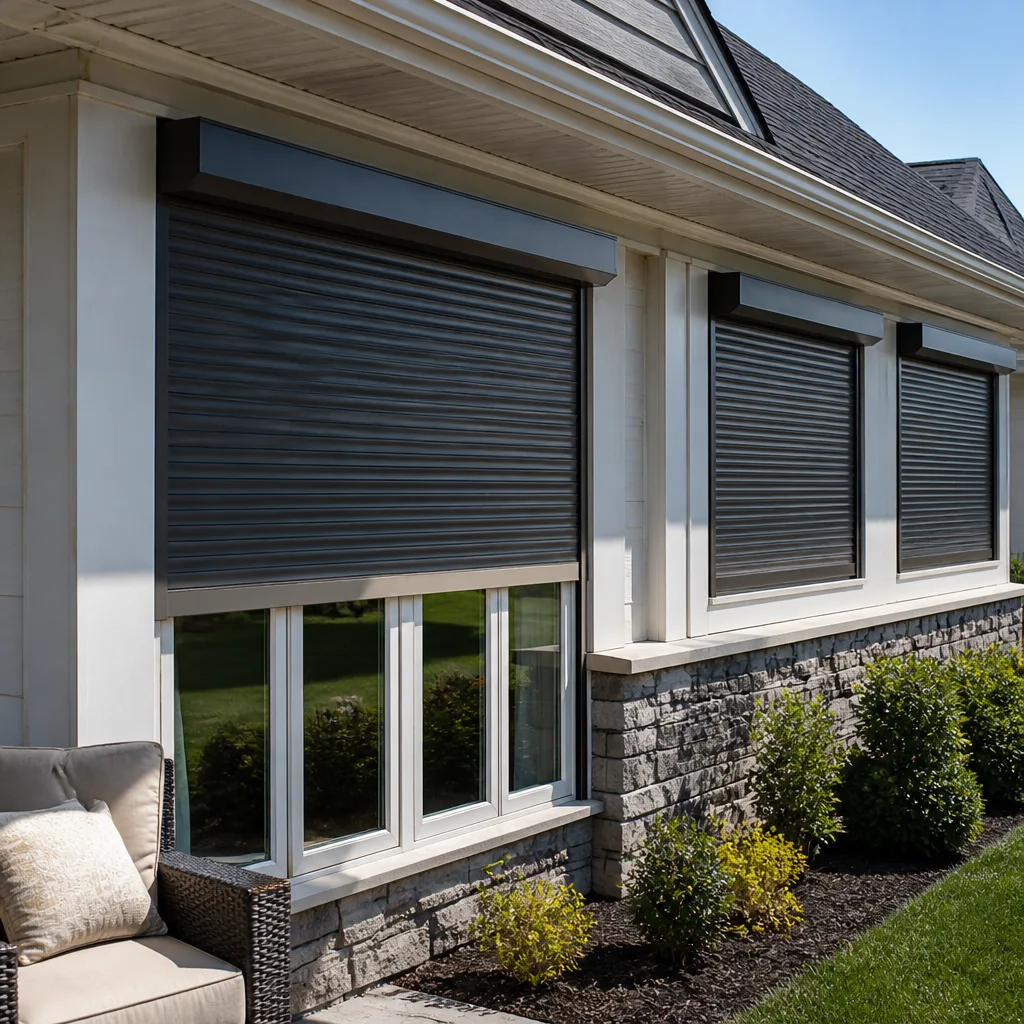 Horizontal roller
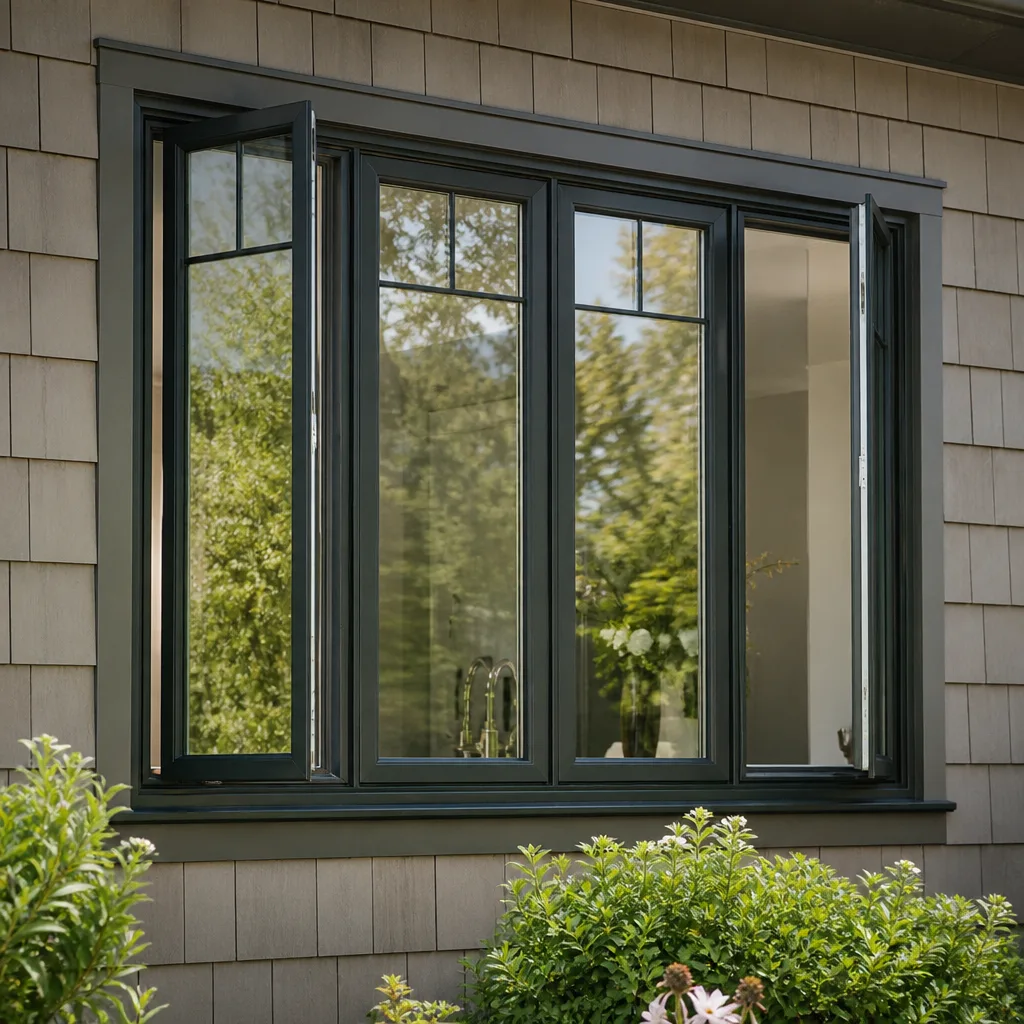 Casement
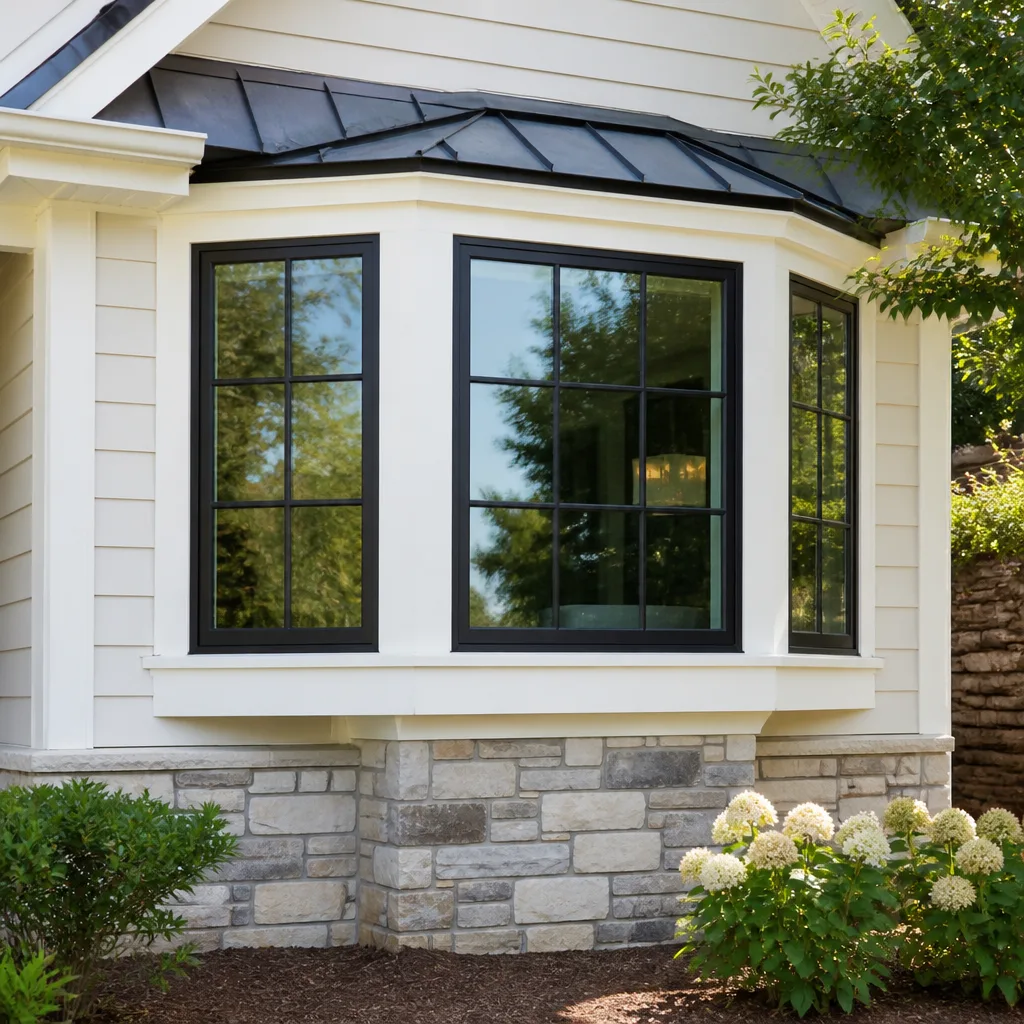 Bay & bow
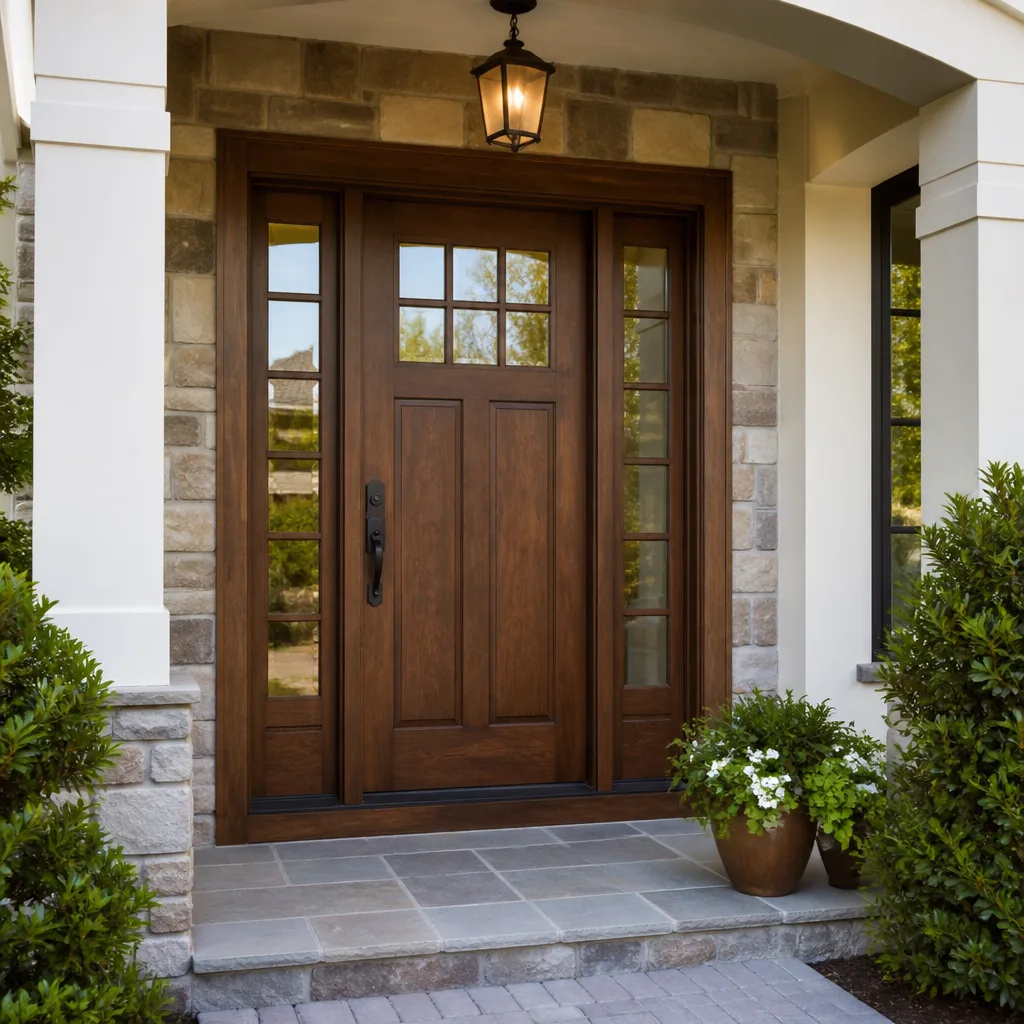 Entry doors
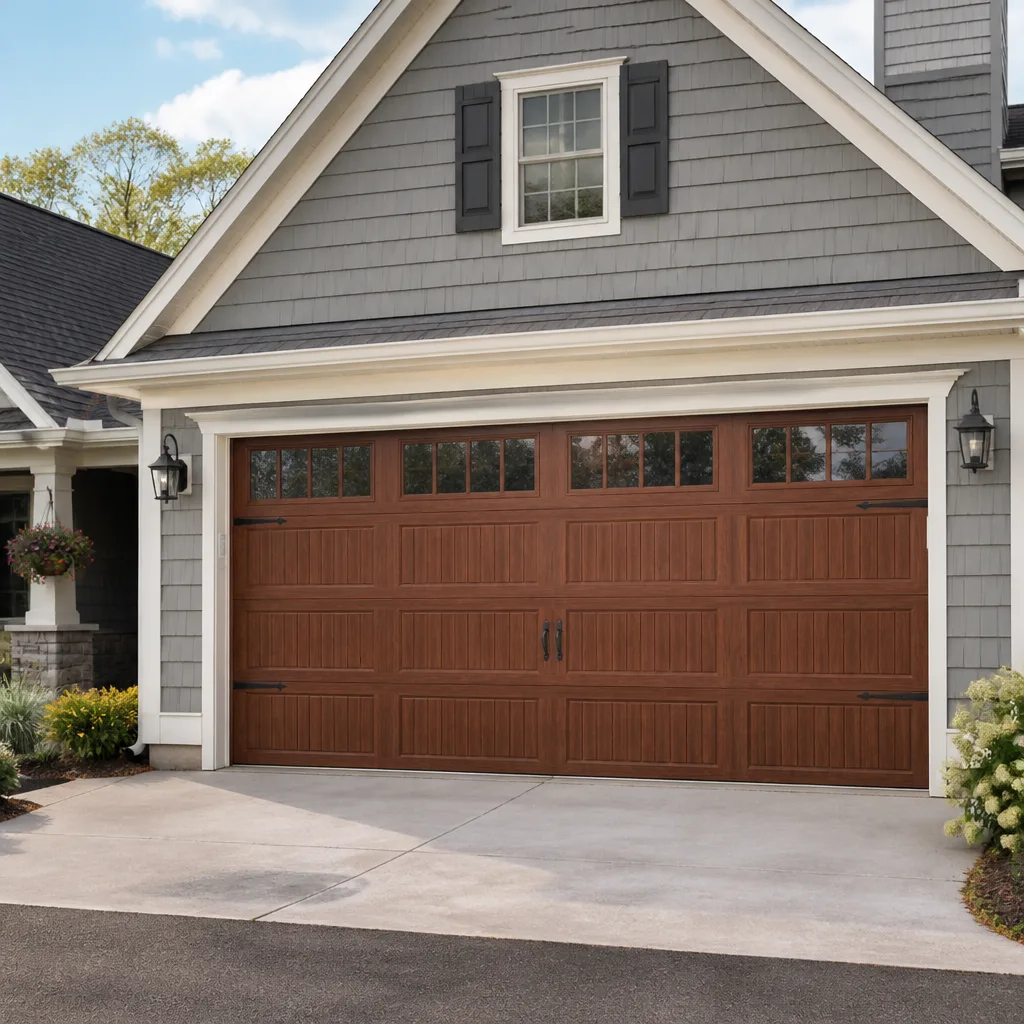 Impact garage doors
 PGT
 CGI
Free in-home measure and quote - PGT, CGI and CWS impact lines compared on your actual openings, style by style
Get your free estimateChoosing the Right Windows & Doors Brand: A Buyer’s Guide for Whitney
Most brand guides for windows and doors rank manufacturers by national reputation or magazine ratings. Neither tells you how a product line actually holds up in Whitney’s desert heat, or whether the brand has parts support within reasonable reach when something fails years down the road. A window brand that ranks highly on a national list but relies on distant distributors can leave you waiting weeks for a replacement sash latch in a climate where a failed seal turns a room into an oven by June. What we’ll cover here: which product series are engineered for high-heat, high-UV conditions, how to read warranty language beyond the headline number, how mid-tier and premium brands compare on value in this market, and why buying through a multi-brand installer changes the selection process entirely. Whitney Windows & Doors works across eight manufacturers, so we’ll write from that vantage point.
Quick Answer
The right windows and doors brand for a Whitney home is the one whose specific product series is engineered for high heat and intense UV exposure, whose warranty terms are transferable and backed by a service network that can reach Whitney, and whose local dealer has real installation expertise with that product. National brand rankings miss all three. In practice, an impact-rated line like PGT or CGI paired with a fiberglass entry system from Therma-Tru often outperforms a “premium” northern-market brand that wasn’t designed for this climate. The written estimate from a specialist installer is the only way to confirm the final price for your specific project.
Styles & brands we work with
- Single hung
- Double hung
- Horizontal roller
- Casement
- Bay & bow
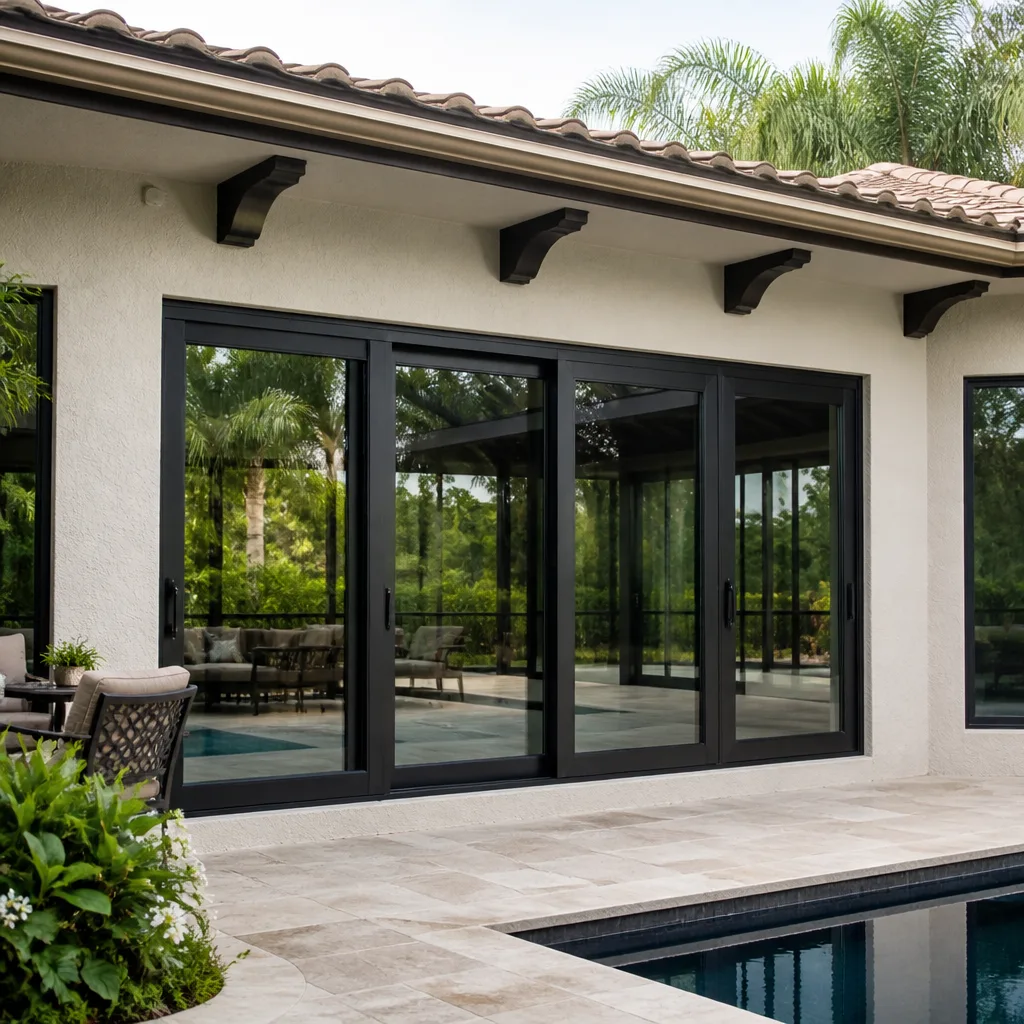
- Sliding glass doors
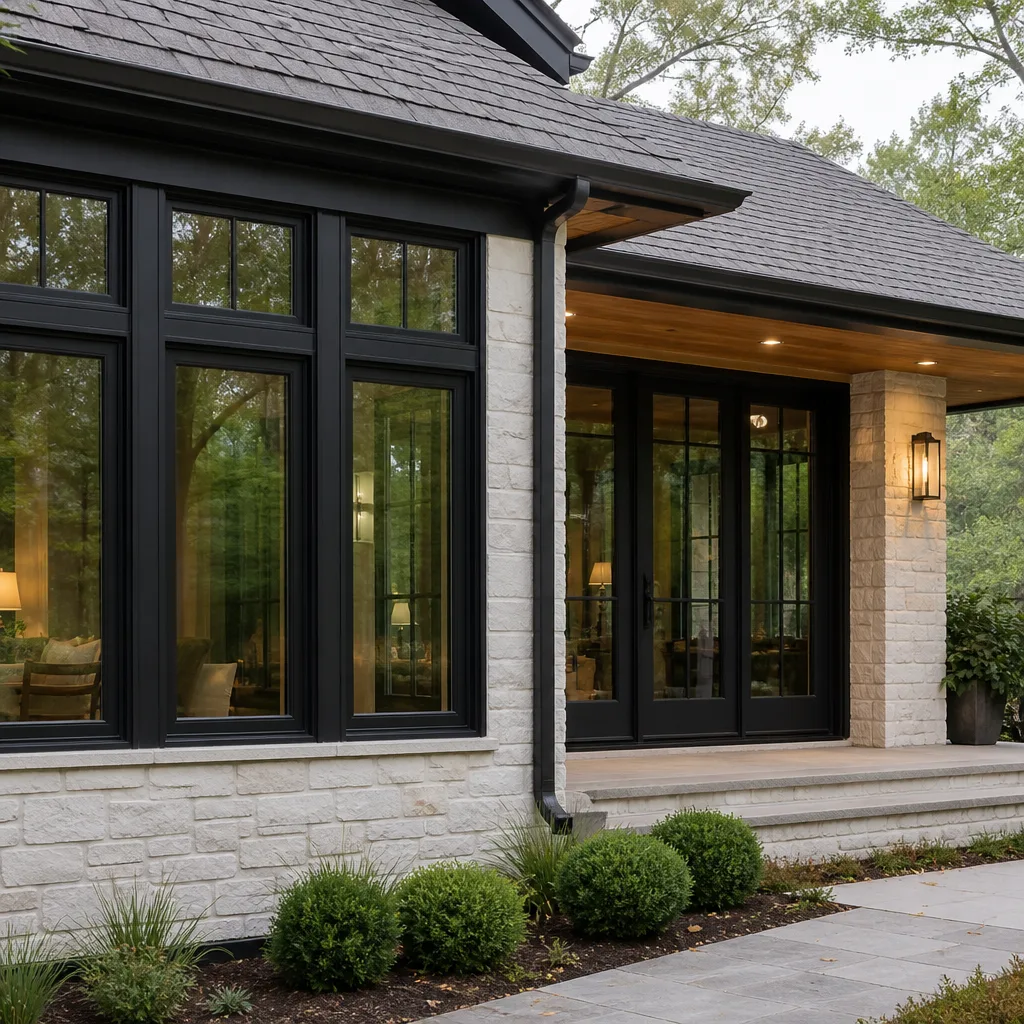
- Entry doors
- Impact garage doors
- PGT
- CGI
Table of Contents
- Which Window Series Are Actually Built for Whitney’s Climate?
- How to Read a Brand Warranty Beyond the Headline Number
- Local Parts and Service Availability by Brand
- Mid-Tier vs. Premium: Where the Price Premium Is Worth It
- Why a Multi-Brand Installer Changes the Buying Experience
- How to Evaluate and Select a Brand: A Step-by-Step Process
- Door Brand Considerations: Entry Systems and Patio Doors
- Common Mistakes to Avoid
- Frequently Asked Questions
Which Window Series Are Actually Built for Whitney’s Climate?
Whitney sits in the Las Vegas Valley, where summer temperatures routinely exceed 110°F and UV exposure is extreme for much of the year. That combination stresses window assemblies in ways most manufacturers don’t design for. Vinyl frames soften and warp under sustained heat, seals dry out and fail, and low-E coatings have to be rated for the intensity of sun this market actually gets. A window engineered for Minnesota winters is not the same product as one engineered for Nevada summers, even if both carry the same brand name.
The builders and manufacturers that get this market right tend to fall into recognizable categories:
- Impact-rated lines with heat-tolerant framing. PGT and CGI both produce impact-rated window and door lines used across Florida and the Southwest. The impact rating is often framed as storm protection, but the underlying construction – laminated glass, heavier frames, reinforced hardware – also performs well under thermal stress.
- Energy-efficient vinyl and aluminum lines rated for hot climates. ES Windows and ECO Window Systems produce product lines with solar heat gain coefficients and U-factors optimized for cooling-dominated climates. That matters more here than in markets where heating load drives the performance specification.
- Architectural and custom product ranges. CWS and ViewLux offer broader style and size flexibility for homeowners matching existing architecture or replacing windows in custom homes, where standard sizing doesn’t fit.
- Northern-market brands. Several well-known national brands optimize their product lines for cold climates – high U-factor, low solar heat gain – which is the wrong priority for Whitney. Their premium pricing often reflects winter performance you don’t need and won’t benefit from.
The practical takeaway: brand selection should start with the specific product series, not the brand name on the label. When we quote a project in Whitney, the first question is whether the series being specified was engineered for this climate. If it wasn’t, no amount of reputation makes up for the mismatch.
How to Read a Brand Warranty Beyond the Headline Number
“Lifetime warranty” is one of the least informative phrases in the window industry. It typically means the warranty lasts as long as the original purchaser owns the home, not your lifetime or the product’s. Once you sell, the warranty may or may not transfer, and the terms of transfer vary significantly between manufacturers. What matters far more than the headline duration is what the warranty actually covers, who administers it, and how the claims process works in practice.
Here’s how to evaluate a brand warranty properly:
- Separate the components. Glass, frame, hardware, seals and coatings are usually covered on different schedules. A “lifetime” frame warranty might sit alongside a 10-year glass seal warranty and a 5-year hardware coverage. Read each component line individually.
- Check transferability. Ask specifically whether the warranty transfers to a new owner on sale of the home, how many transfers are permitted, and whether there’s a transfer fee. In a market with frequent resale, a non-transferable warranty is worth almost nothing to the next buyer.
- Confirm labor versus product. Many manufacturer warranties cover the replacement product but not the labor to remove and reinstall it. If installation labor isn’t covered, budget for it separately when a claim arises. Our installers walk homeowners through this distinction before the contract is signed.
- Understand the claims process. Ask who files the claim – the manufacturer directly, the distributor, or the installing contractor – and roughly how long a typical claim takes. A brand with no service infrastructure near Whitney can mean weeks of waiting for the claim to move.
- Check exclusions carefully. Heat-related seal failure, glass breakage, screen damage and improper installation are common exclusions. In a desert climate, seal failure is the exclusion most likely to matter, so read that clause closely.
When we work on a replacement project, we ask manufacturers directly for their current written warranty documents so the homeowner is comparing actual terms, not marketing language. If a claim ever comes up, having the full documentation on file makes the process easier.
Local Parts and Service Availability by Brand
Parts availability is the quiet deciding factor in long-term satisfaction. A sash latch, a balance, a hinge, a screen frame – these are small components that fail on a real schedule, and when they do, the difference between a brand with regional distribution and one without is measured in days versus weeks. In a Whitney summer, a failed window seal or a stuck sash is a comfort problem fast, not a cosmetic inconvenience.
How to assess parts and service reach before you buy:
- Ask about regional distribution. Manufacturers with warehouse or distributor presence in Nevada can typically supply replacement parts within a reasonable window. Brands that ship from the Midwest or East Coast often route parts through distributors with no regional presence.
- Confirm the installer’s parts relationship. An installer who’s authorized across multiple brands knows which manufacturers stock parts regionally and which don’t. Ask directly: “If a hinge fails in year five, where does the replacement ship from?”
- Check whether the brand sells direct to contractors. Some manufacturers only sell through dealers, which can add a layer between you and warranty service. Others work directly with authorized installers, which tends to speed up claims and parts orders.
- Look for local reference points. Ask the installer which brands they service most often in this market. High service volume usually signals strong parts availability.
Because Whitney Windows & Doors carries eight brands – PGT, CGI, CWS, ES Windows, ECO Window Systems, Mr-Glass, Therma-Tru and ViewLux – we’ve had to learn each one’s parts footprint directly. That’s part of what a multi-brand installer brings: real service experience across competing lines, not a single manufacturer’s story.
Mid-Tier vs. Premium: Where the Price Premium Is Worth It
The premium-versus-mid-tier question is where brand selection guides usually go wrong. They frame premium as universally better because the price is higher, without asking whether the extra performance addresses a problem Whitney homeowners actually have. In a high-heat, high-UV market, some premiums are worth paying and others aren’t.
Where the premium is worth it:
- Frame materials and coatings rated for extreme UV. If the premium brand’s product uses a frame or finish engineered specifically for high-solar-gain climates, that extra cost buys real longevity.
- Impact-rated glass. Impact-rated windows and doors from lines like PGT and CGI cost more, but they hold up to storm-driven debris and thermal stress more reliably than non-rated glass, and the laminated construction helps with noise reduction too.
- Entry doors with real thermal and security construction. A fiberglass Therma-Tru door system is a meaningful upgrade over a builder-grade steel door when the door faces west or south sun for a decade or more.
- Hardware and hinge quality. Premium hinge systems and multipoint locks hold alignment longer, which reduces service calls over time.
Where the premium is not worth it in Whitney:
- Cold-climate optimization. A premium line optimized for sub-zero winters charges for performance that makes no difference here.
- Cosmetic-only upgrades. Premium finishes or decorative grille options that cost significantly more without changing thermal or structural performance.
- Brands with weak local service. A premium product without parts support nearby leaves you paying a premium for potential downtime.
The general rule we apply: spend the premium where the climate demands it (UV performance, impact rating, thermal construction) and save it where the climate doesn’t care (cold-weather U-factors, decorative upgrades). Judging that line correctly is exactly the kind of consultative call a multi-brand specialist can make and a single-brand dealer can’t.
Why a Multi-Brand Installer Changes the Buying Experience
A single-brand dealer is structurally motivated to recommend their brand. That’s not a criticism – it’s their business model. But it means when you walk in, you’re evaluating a recommendation that already assumes the product. A multi-brand installer works differently: the recommendation is a selection problem rather than a predetermined default, and the installer’s incentive is to match the product to your home, not to move a specific inventory.
The practical differences show up at each stage:
- Product comparison is real. Because we carry competing lines like ES Windows, ECO Window Systems and ViewLux alongside impact-rated PGT and CGI, a homeowner can see the trade-offs side by side rather than being talked through a single brand’s talking points.
- The installer knows the failure modes. When you install multiple brands, you learn which ones hold up, where they fail, and which warranty claims are easy versus difficult. That knowledge is not available to a dealer who only sells one brand.
- Bid flexibility is built in. If one brand is back-ordered or doesn’t fit your opening sizes, the installer can pivot to another suitable line without you starting over.
- Installation expertise is the constant. A single-brand dealer may have excellent installation, but multi-brand installers who specialize in one trade have to maintain technical fluency across all the product lines they carry, which keeps installers sharp on the nuances of each.
- The buying experience is consultative. You’re choosing the product, not just the price. That’s how a considered purchase should work.
Whitney Windows & Doors is structured around this model: eight brands, one installation team, and no incentive to steer you toward a product just because it’s the only one we can supply. If you want to compare what your home actually needs against the actual product options, this is how we can help. We also offer window installation for new-construction and remodel projects where brand selection is part of a broader build.
How to Evaluate and Select a Brand: A Step-by-Step Process
Brand selection is easier when it’s broken into steps. Here’s the sequence we walk homeowners through during a Whitney project, and you can apply the same logic independently if you’re still in the research phase.
- Start with the opening, not the brand. Measure your existing window and door openings and note any unusual sizes, shapes or structural requirements. Some product lines only come in standard sizes; others (like CWS and ViewLux architectural lines) offer flexibility for custom openings. Brand selection should follow the opening, not lead it.
- Define the performance priorities. Is impact resistance a priority? UV performance? Energy efficiency for cooling load? Noise reduction? Security? List your top three. This is what you’ll compare brands against.
- Match product series to climate and priorities. For a Whitney project, that usually means impact-rated lines (PGT, CGI) or heat-optimized energy-efficient lines (ES Windows, ECO Window Systems). Avoid product series designed for cold climates.
- Evaluate warranty terms on their substance. Use the checklist in the warranty section above: component separation, transferability, labor coverage, claims process, exclusions.
- Check parts and service reach. Ask the installer how each brand’s parts are supplied to this region, and roughly how long a warranty replacement typically takes.
- Compare bid pricing like-for-like. Ask for line-item pricing so materials, labor, disposal and any permit costs are separate. A written line-item quote makes brand comparison honest.
- Confirm installer expertise on that specific brand. Ask how many of that brand’s products the installer has installed and whether they’re authorized by the manufacturer. Authorized-installer status matters at the warranty claim stage.
Any reputable installer will walk through these steps with you before a contract is signed. If a dealer skips straight to a product lock-in, that’s a red flag the process is being run for them, not for you. If you’d rather start with the actual installation conversation, look at our window replacement service and we can scope the brand selection alongside it.
Door Brand Considerations: Entry Systems and Patio Doors
Doors are a separate selection problem from windows and deserve their own analysis. The performance demands are different: an entry door has to handle daily use, weather exposure, security and thermal movement, and its failure modes are different from a window’s. In a climate where a west-facing door sits in direct sun through summer afternoons, the material choice matters even more than the finish.
Fiberglass entry doors from Therma-Tru are a strong fit for Whitney’s climate because fiberglass doesn’t expand and contract with heat the way steel does, and it doesn’t absorb moisture the way wood can. The surface finish holds up to UV better than painted steel, and the system can be configured with impact-rated glass inserts. Steel doors are also an option, but homeowners should understand how the finish holds up to intense sun before choosing one. Patio and sliding doors benefit from the same impact-rated glass lines we recommend for windows.
The selection criteria for doors mirror the window criteria – climate suitability, warranty substance, parts reach, installer expertise – but you’re comparing a narrower set of brands. Because Whitney Windows & Doors carries Therma-Tru alongside our window brands, homeowners replacing both windows and entry doors in the same project can have the whole exterior envelope specified in a single conversation, with one installer accountable for the whole job.
Common Mistakes to Avoid
- Choosing a brand by reputation instead of product series. Two product lines from the same brand can perform very differently in Whitney’s climate. Ask which series the price is for, then evaluate that series.
- Assuming “lifetime” means forever. Lifetime warranties usually apply to the original purchaser and may not transfer. Read the terms and ask about transferability up front, especially if a resale is likely.
- Ignoring parts availability. A brand with national recognition but no regional distribution can leave you waiting weeks for a hinge. Ask how parts are supplied to Nevada before committing.
- Paying a premium for cold-climate performance. Many premium brands optimize for winter conditions you don’t have. In Whitney, spend the premium on impact resistance and UV performance instead.
- Comparing bids without line-item detail. A single lump-sum bid hides differences in materials, labor and warranty coverage. Ask for line-item quotes so brand comparison is honest.
- Skipping the installer evaluation. Even a strong brand installed poorly performs poorly. Confirm the installer is authorized by the manufacturer for the specific product being specified.
- Expecting one brand to cover everything. A single brand rarely offers the best fit across windows, entry doors and patio doors. Building a selection from several brands in a coordinated envelope is often better than forcing one label across every opening.
See the difference
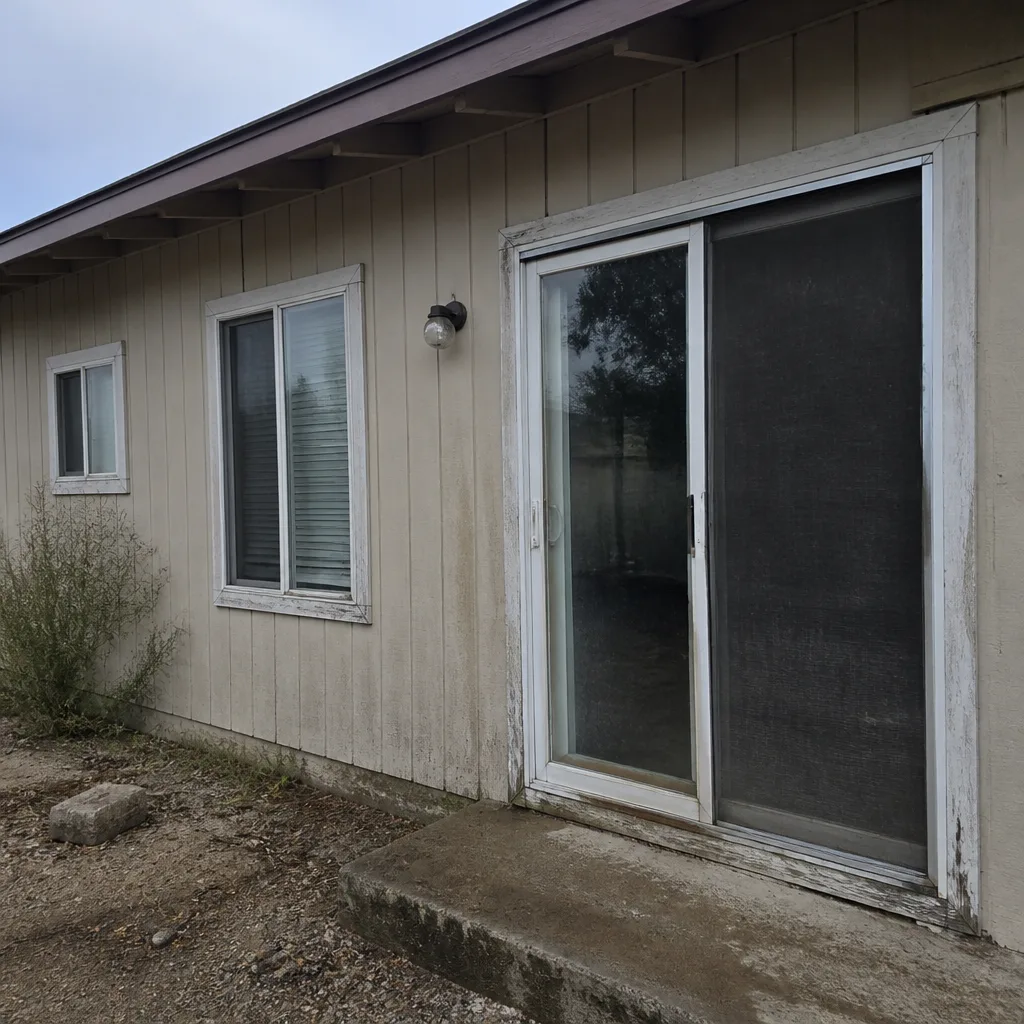 Before
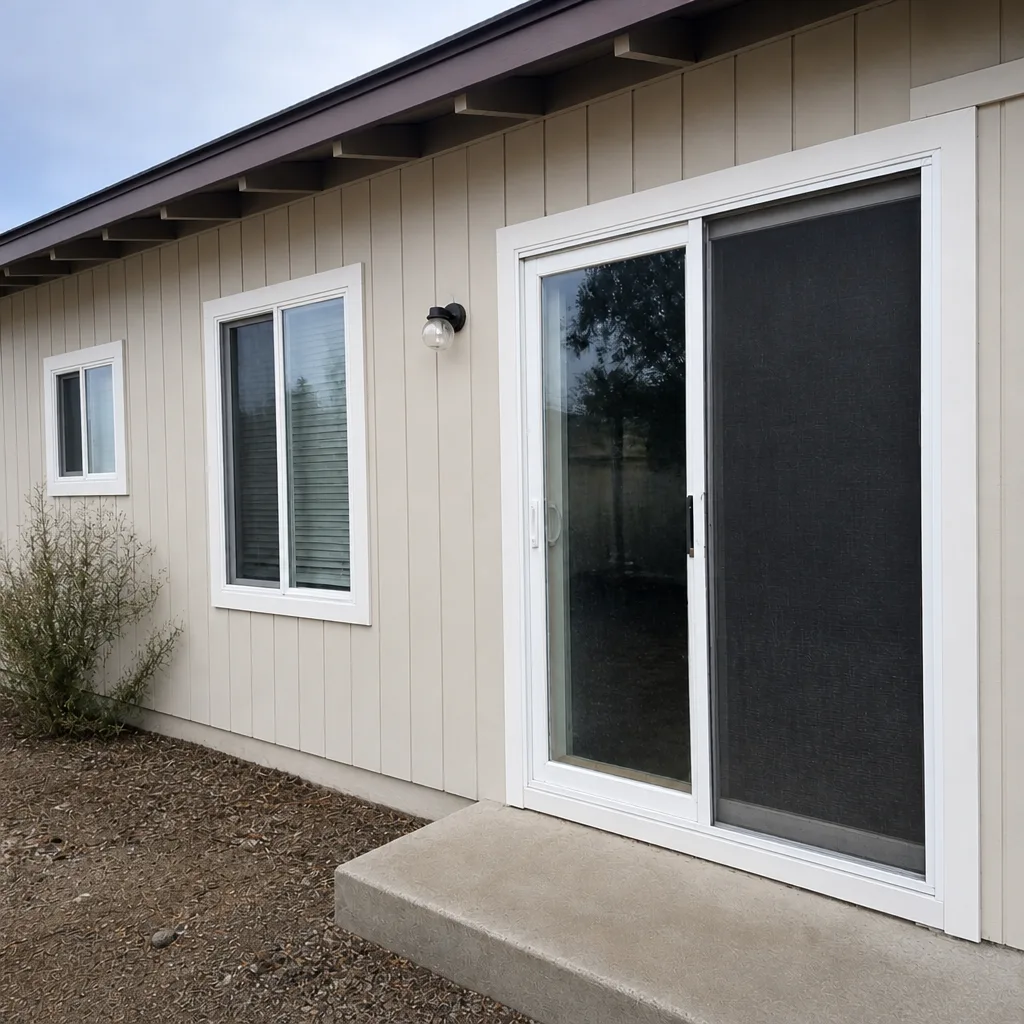 After
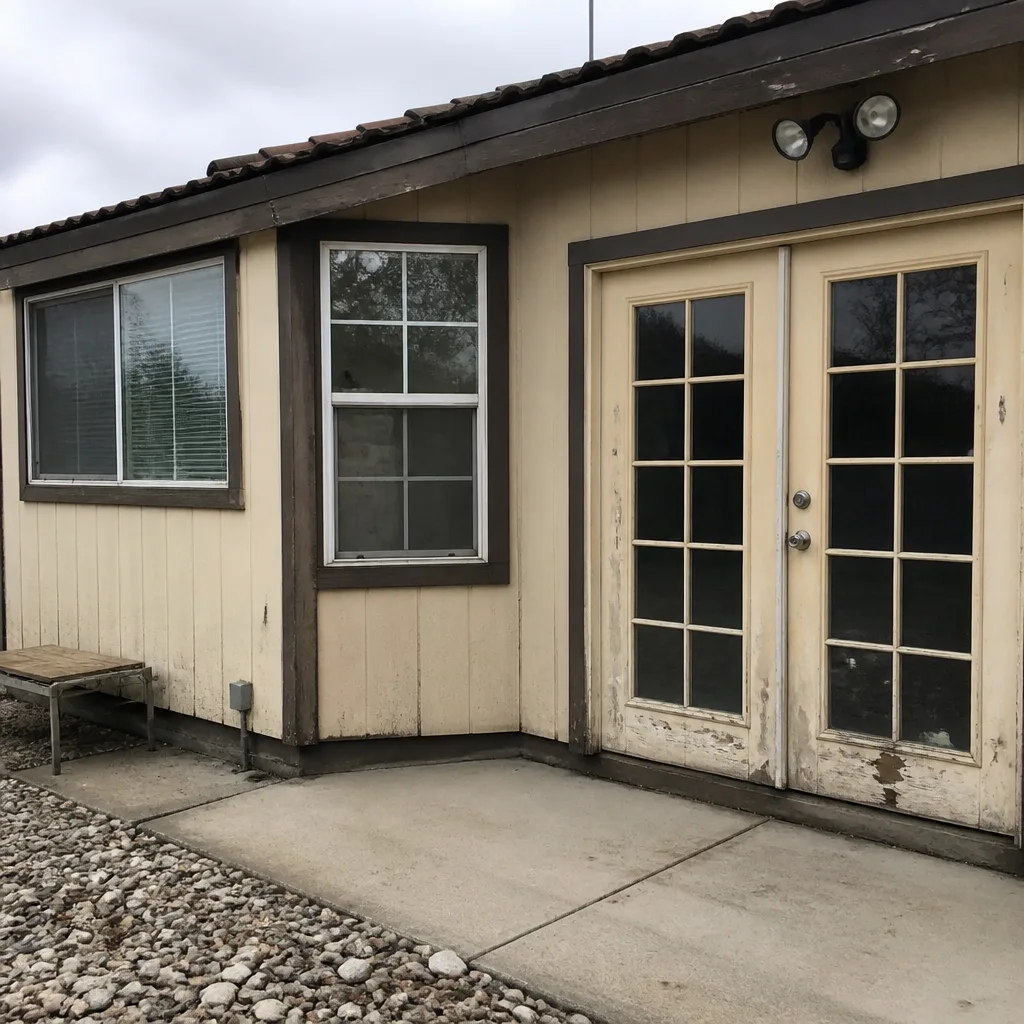 Before
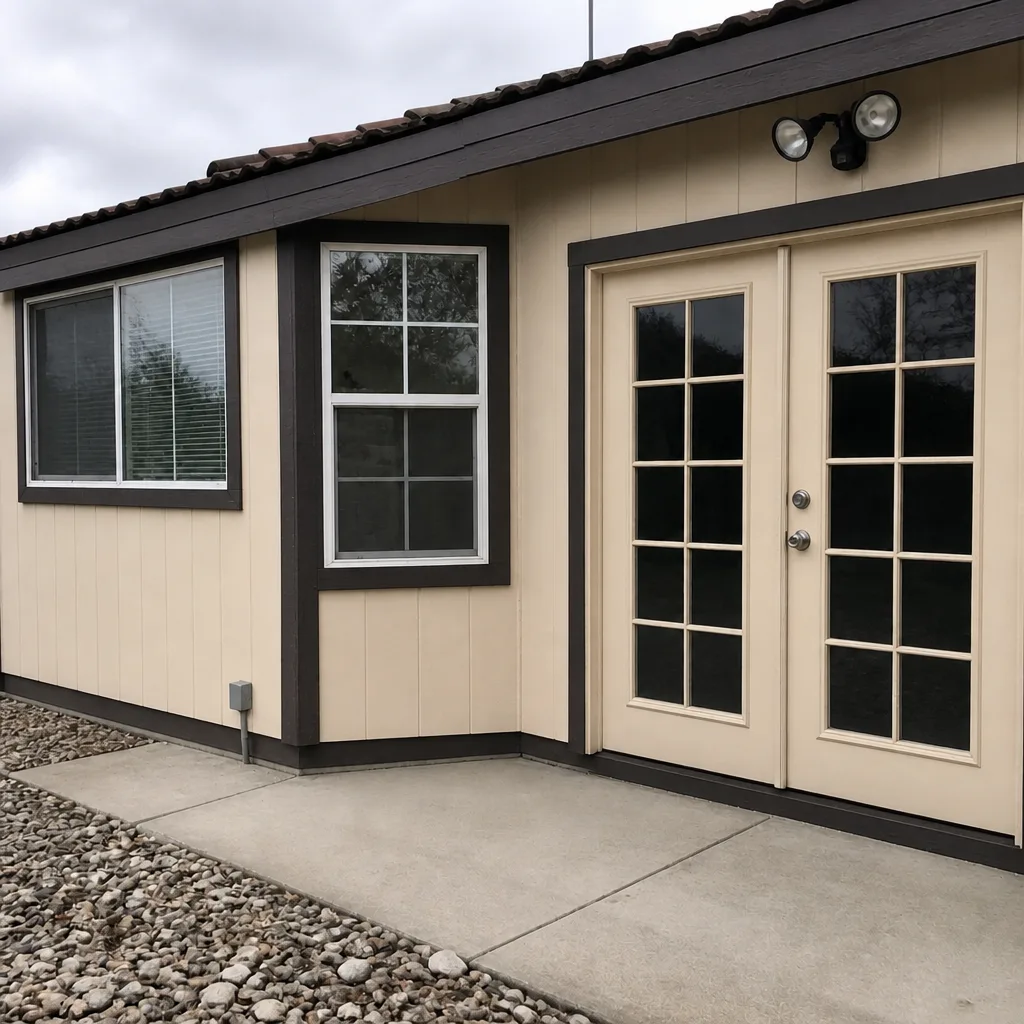 After
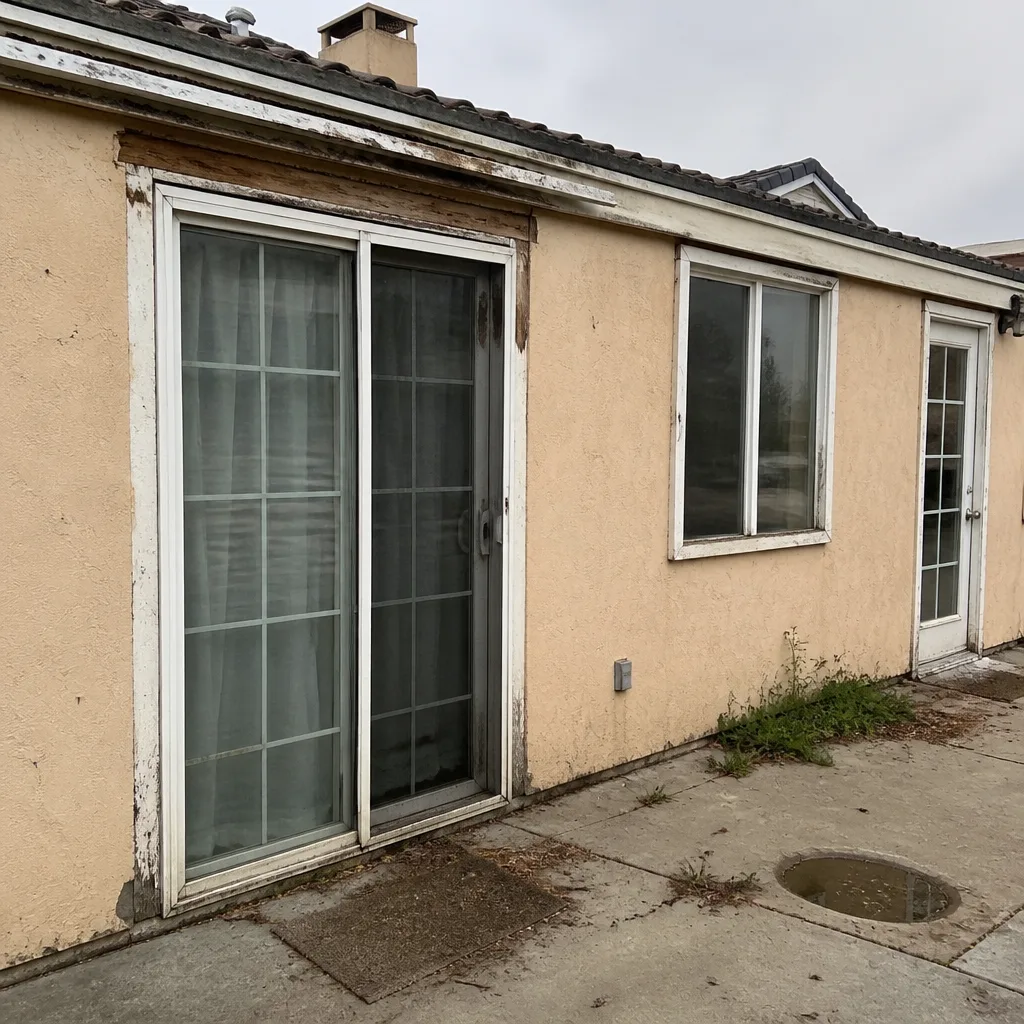 Before
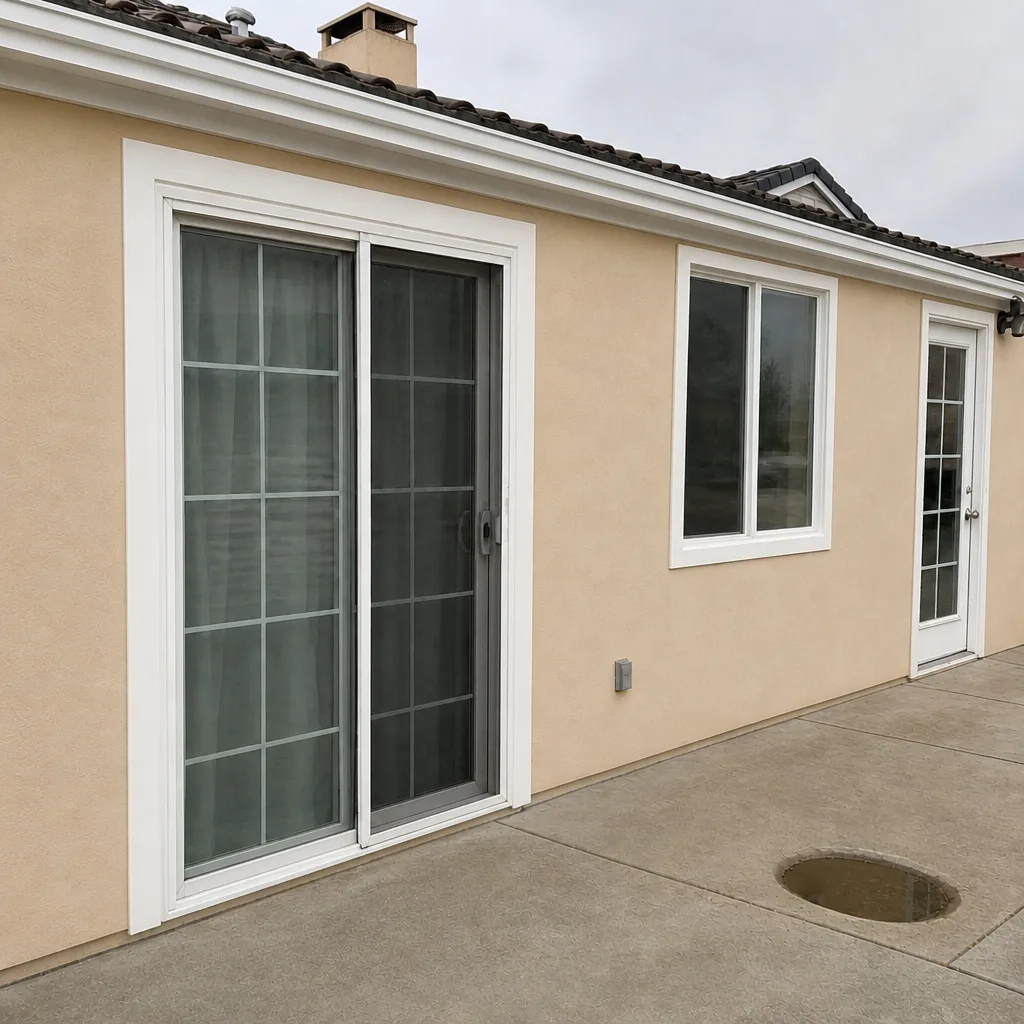 After
When to Call a Professional
Call a professional installer when the project involves more than a single window or door, when your openings are non-standard, when you want the full exterior envelope replaced at once, or when existing warranty claims need documentation and a service record. Call when you’re comparing brands and want an honest multi-brand evaluation rather than a single-brand pitch. Call when the project involves high-rise glass or upper-floor door systems, where installation safety requires trained crews. For any Whitney project where brand selection is still open, the estimate conversation is the right starting place. Whitney Windows & Doors offers free estimates in Whitney – call (844) 722-8594.
Written estimates for full-home projects should always be in writing and line-item. If a contractor can’t provide one, that’s a signal to keep looking.
Frequently Asked Questions
There’s no single best brand – the right choice depends on which product series matches your home’s openings and performance priorities. For high-heat, high-UV conditions, impact-rated lines from PGT and CGI and heat-optimized energy-efficient lines from ES Windows and ECO Window Systems tend to outperform cold-climate-focused premium brands. We evaluate the specific series, not just the brand name. Call (844) 722-8594 to walk through product options for your home.
Start by reading each component’s coverage separately – glass, frame, hardware and seals typically have different durations and exclusions. Then confirm transferability, labor coverage and the claims process. A brand with strong local service reach is usually more useful than a brand with a longer headline warranty and no nearby parts support. We’ll pull current written warranty documents for any brand we quote.
In our experience, installer expertise is the larger variable. A premium brand installed poorly will underperform a mid-tier brand installed correctly. That said, the two are linked: an installer authorized by the manufacturer for the specific product tends to have stronger access to parts and warranty support. Look for both before signing. Call (844) 722-8594 to discuss installer credentials for your project.
Yes, and mixing is often the right answer. A single manufacturer rarely offers the best fit across every opening type, and because Whitney Windows & Doors carries eight brands, we can coordinate a window line with a Therma-Tru entry system and keep one installer accountable for the whole envelope. The written estimate will show each brand and series line by line.
Sometimes yes and sometimes no. The premium is worth it when it’s tied to impact resistance, UV-rated frame materials or better hardware that holds alignment longer. It usually isn’t worth it when the premium is for cold-climate performance you won’t use or cosmetic upgrades that don’t affect thermal or structural performance. Our estimators will walk through that trade-off specifically for your project. Call (844) 722-8594 for a free estimate.
Ask the installer directly how that brand’s replacement parts are supplied to Nevada, and roughly how long a warranty claim typically takes to resolve. Manufacturers with regional distribution and authorized installers are easier to service. Brands without local infrastructure can turn a small hardware failure into weeks of waiting. Comparing brands this way is one reason a multi-brand installer is useful during selection.
The Bottom Line
Brand selection for windows and doors in Whitney should start with the product series and work backward: does the series suit the high-heat, high-UV climate, does the warranty hold up under reading, does the manufacturer have parts and service reach in Nevada, and does the installer have verified experience with that specific product? Premium pricing is worth paying where it buys climate performance – impact resistance, UV-rated frames, thermal construction – and usually isn’t worth paying for cold-climate optimization or cosmetic-only upgrades. A multi-brand installer makes all of this comparison easier, because the recommendation isn’t locked to a single product. Whitney Windows & Doors carries eight brands, which means the selection is genuinely open. If you’d like a free, line-item estimate and a walk-through of which product series fits your home, that’s where to start. And if you’re just starting the overall project, our Whitney Windows & Doors homepage covers the full scope of what we handle, and the Whitney area page covers local considerations.
Contact
Ready to compare brands on the criteria that actually matter for your home? Call (844) 722-8594 for a free estimate. We answer 24/7. Fast dispatch from 7am to 7pm, Sunday through Friday. Our technicians have up to 11 years of experience, and the written estimate sets the final price with no change orders once work begins.
Written by the team at Whitney Windows & Doors.