Last updated November 18, 2026
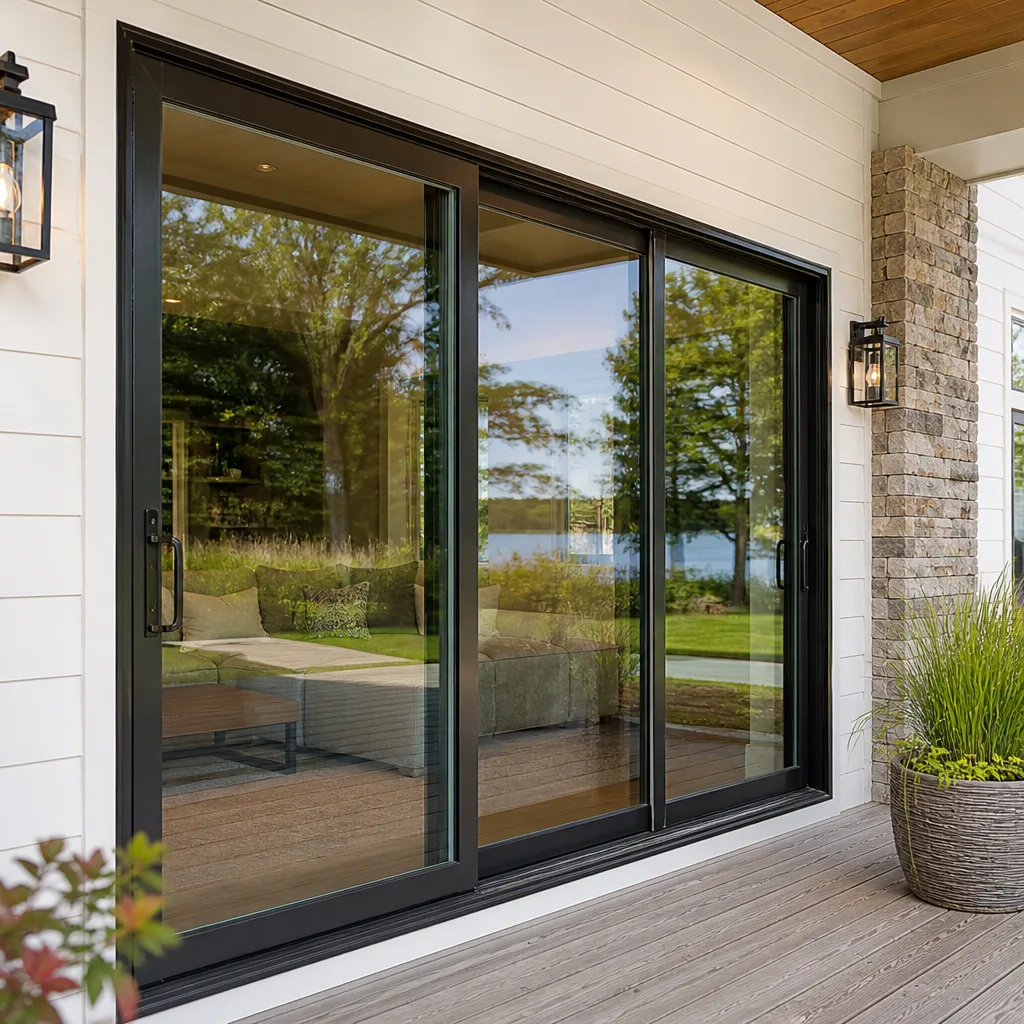 Sliding glass doors
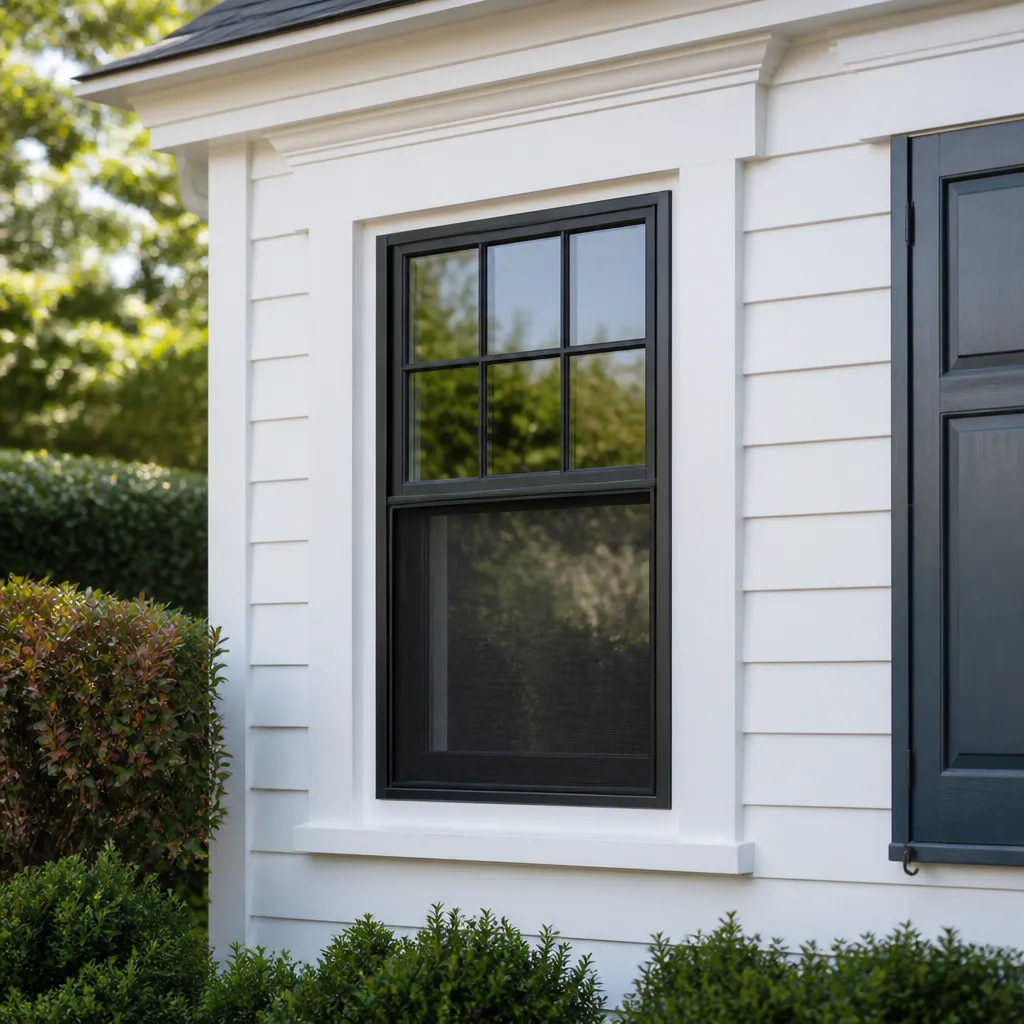 Single hung
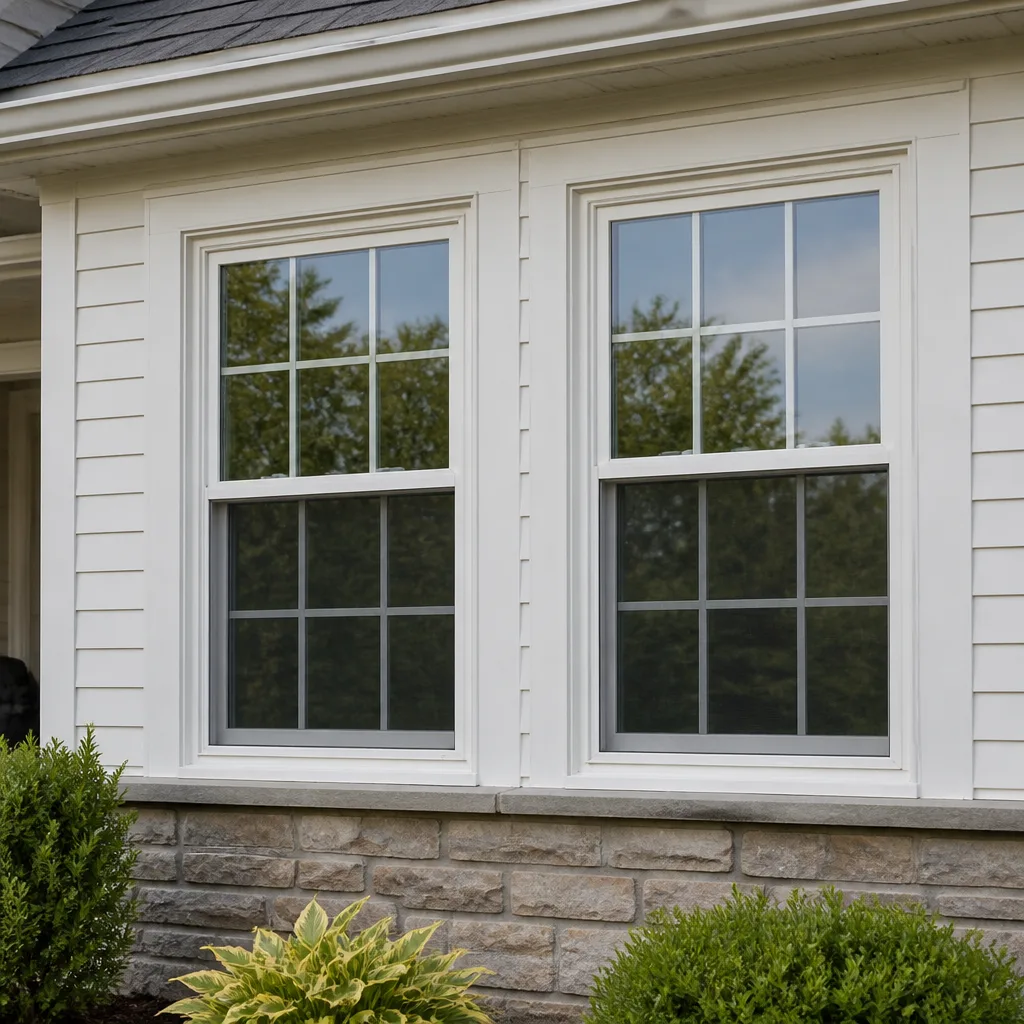 Double hung
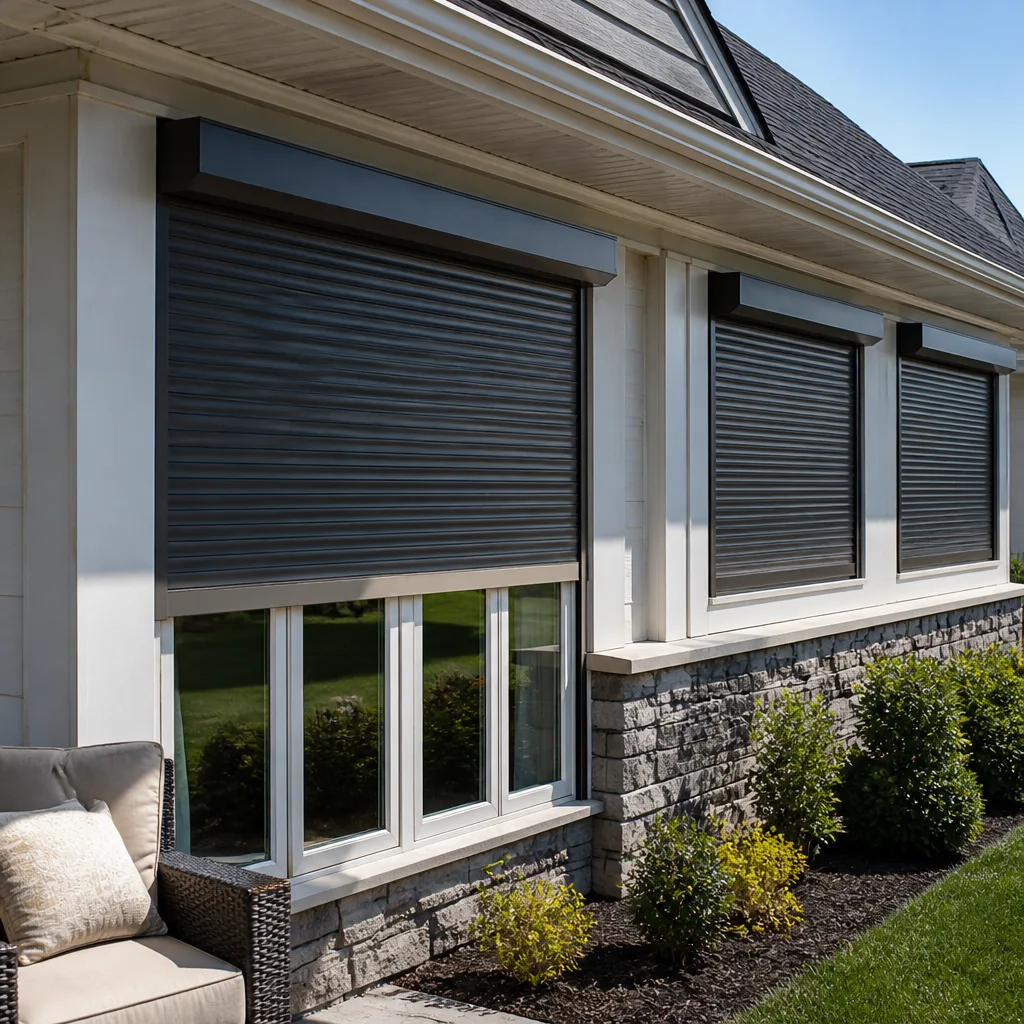 Horizontal roller
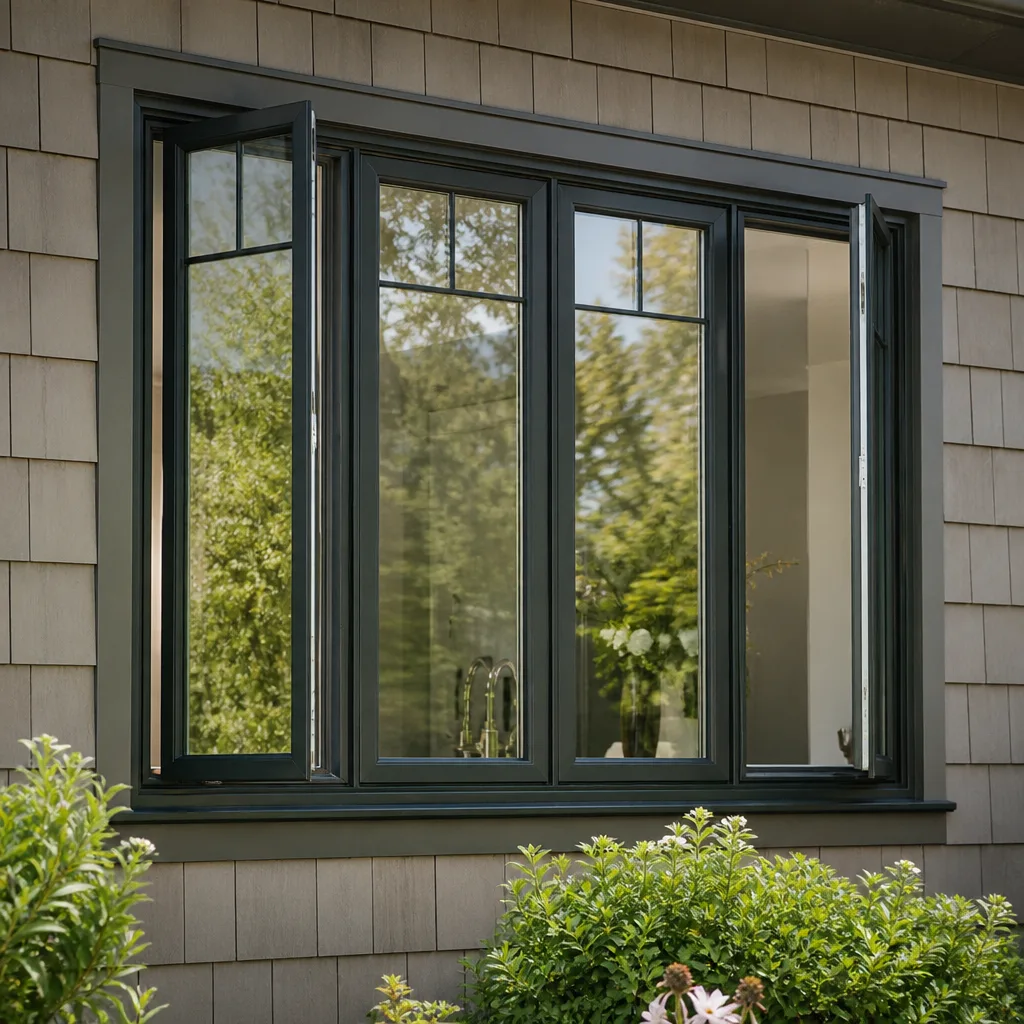 Casement
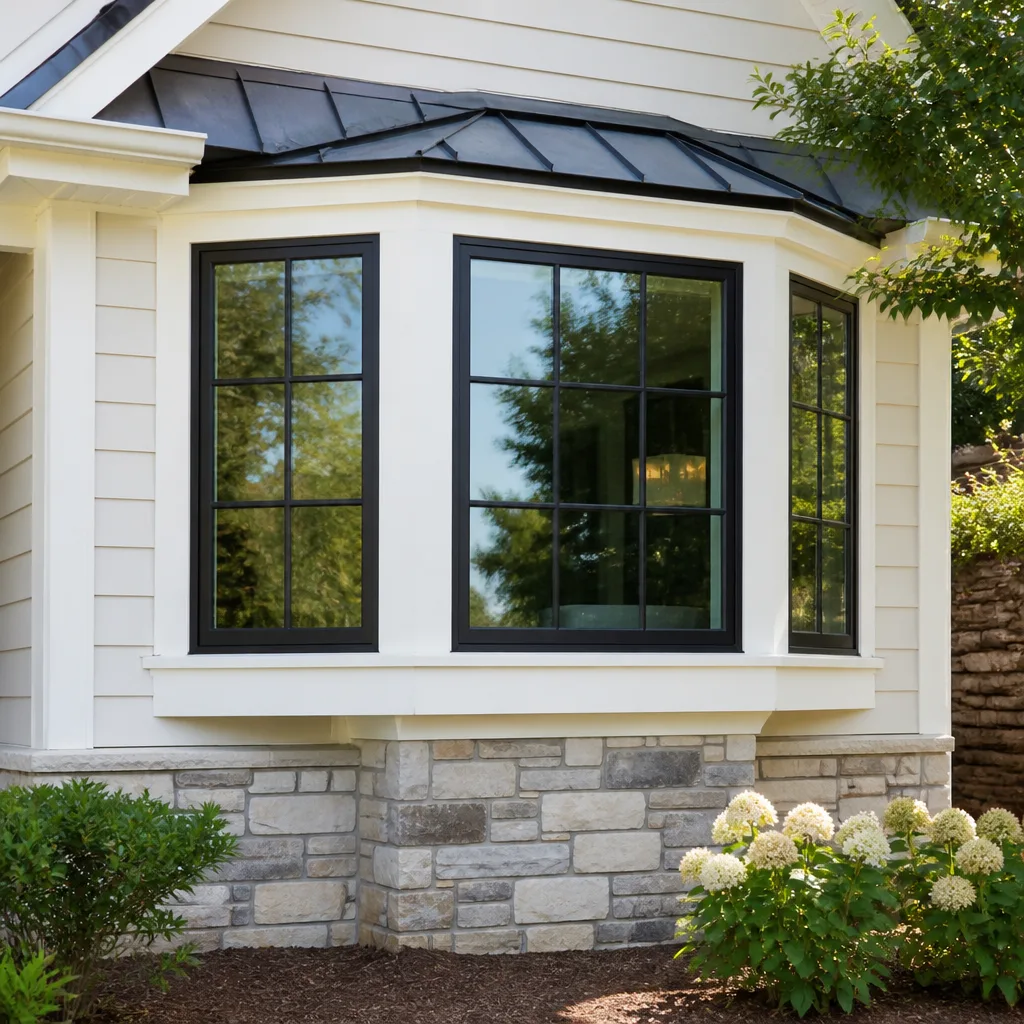 Bay & bow
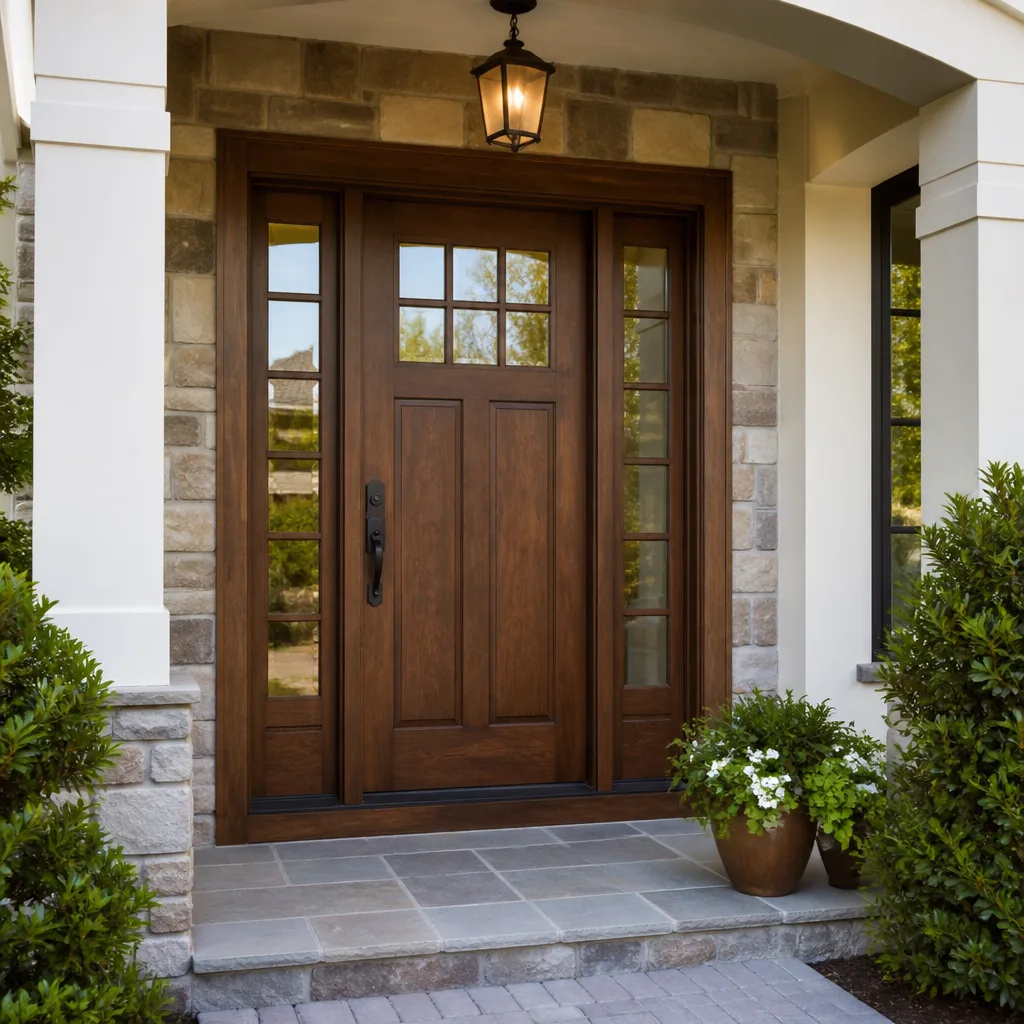 Entry doors
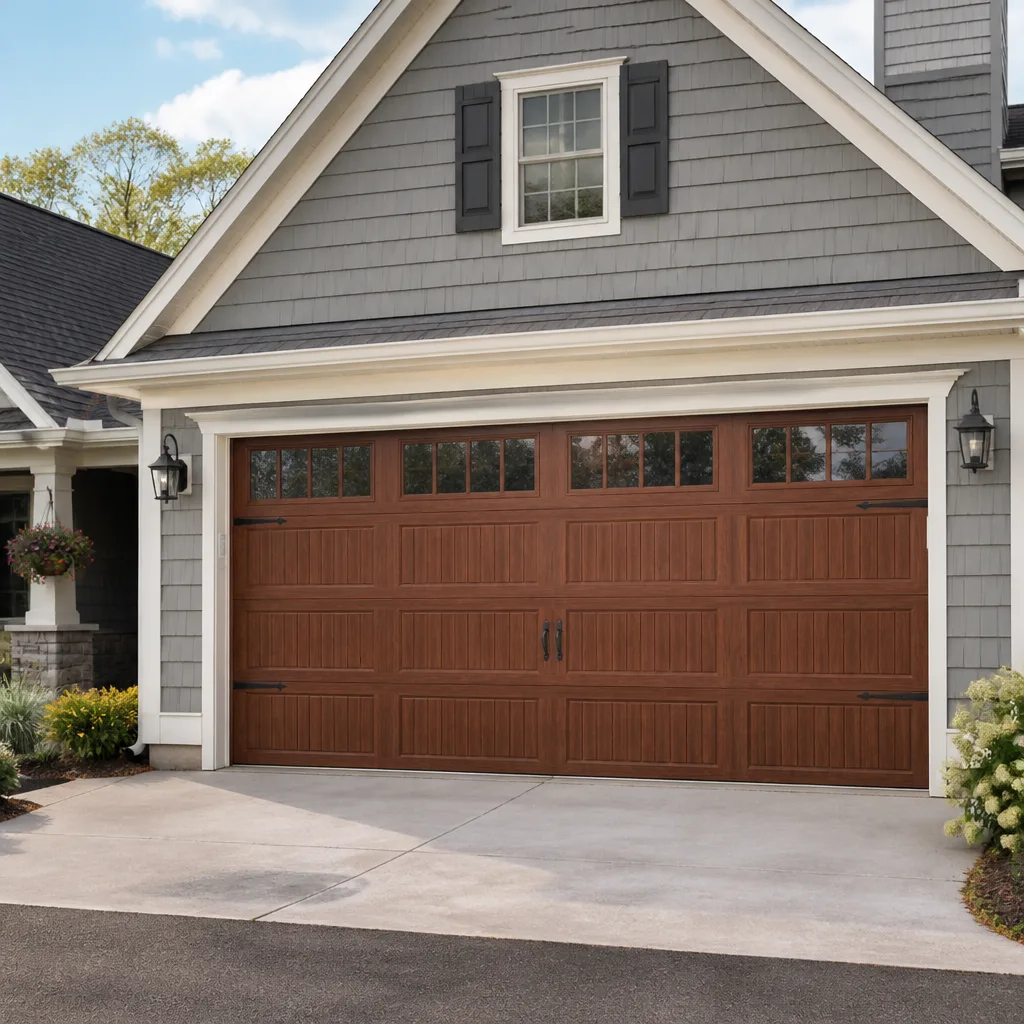 Impact garage doors
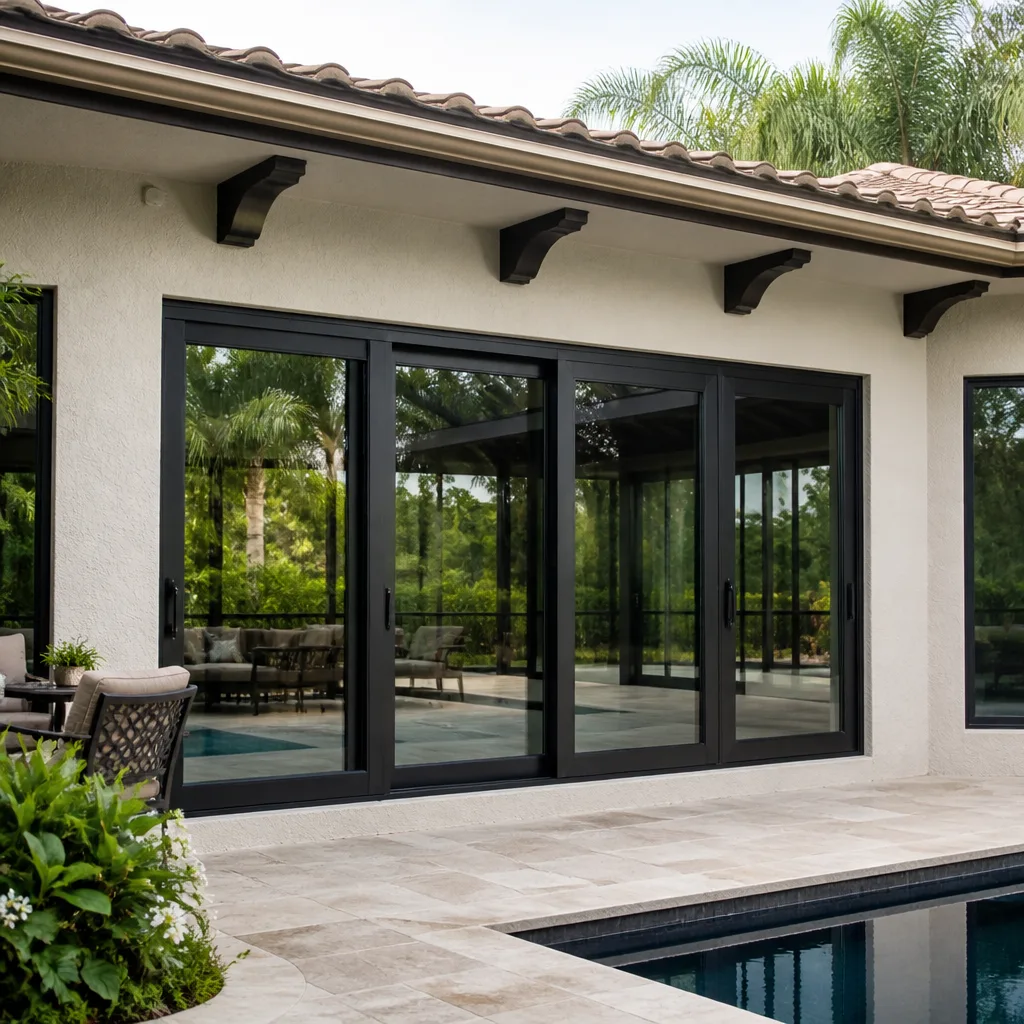 PGT
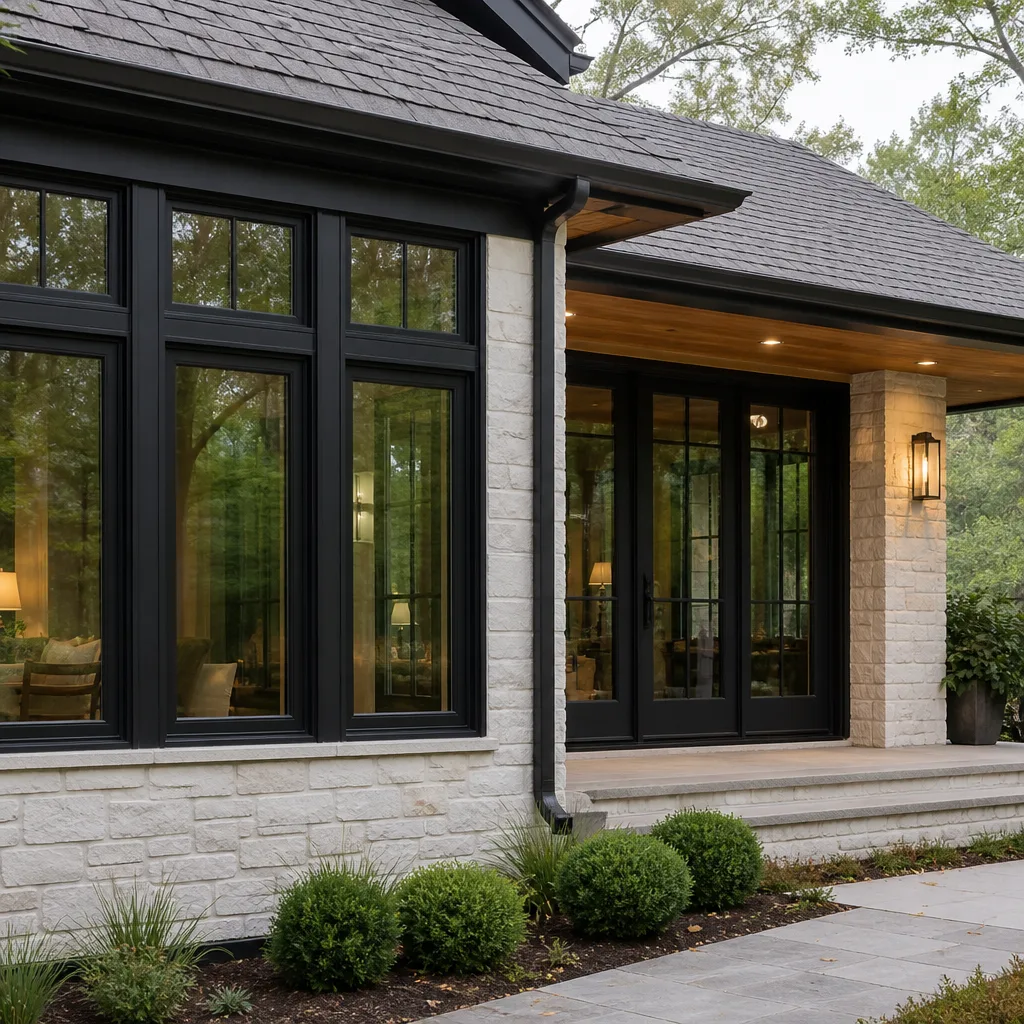 CGI
Free in-home measure and quote - PGT, CGI and CWS impact lines compared on your actual openings, style by style
Get your free estimateHow to Hire a Windows & Doors Contractor in Whitney: A Step-by-Step Guide
Nevada’s contractor licensing board maintains dozens of license classifications, and not one of them is written specifically for window and door installation. That single fact explains why the biggest hiring mistakes in Whitney have nothing to do with brand choice. A licensed general building contractor and a true installation specialist can carry identical paperwork, quote similar numbers, and still produce wildly different results once the flashing and thresholds get involved. The difference shows up in details most homeowners never think to ask about until water is running down an interior wall. In this guide, we’ll walk you through the questions that separate specialists from generalists, show you how to read an installation quote line by line, and explain how manufacturer warranty coverage actually depends on who installs the product. Whitney Windows & Doors works this trade exclusively, and we’ve put the checklist we’d use on our own homes below.
Quick Answer
To hire a windows and doors contractor in Whitney, verify the contractor’s license classification with the Nevada State Contractors Board, confirm factory authorization with the specific manufacturer whose product you’re buying, and demand a line-item quote that names flashing, sealing, and disposal separately rather than a single lump sum. The right contractor specializes in windows and doors, carries several competing brands, and can explain how their installation protects your warranty. When you’re ready, call (844) 722-8594 for a free estimate.
Styles & brands we work with
- Single hung
- Double hung
- Horizontal roller
- Casement
- Bay & bow
- Sliding glass doors
- Entry doors
- Impact garage doors
- PGT
- CGI
Table of Contents
- What Should You Verify Beyond the License Number?
- Five Job-Site Questions That Reveal a Specialist
- How to Read a Window Installation Quote
- Why Manufacturer Warranty Validation Depends on Installer Certification
- Nevada-Specific Red Flags to Watch For
- How Whitney’s Climate Affects Installation Choices
- Why a Multi-Brand Contractor Serves You Better
- What a Professional Installation Process Looks Like
What Should You Verify Beyond the License Number?
A Nevada contractor’s license number tells you very little on its own. What matters is the classification attached to that number and whether the classification actually covers the work you’re hiring for. Nevada’s State Contractors Board issues licenses across a wide range of classifications, and the general building contractor category can legally encompass window and door work without any specific window or door credential attached. That means the license check is a starting point, not a finish line.
When you verify a contractor with the Nevada State Contractors Board, pull the full record. Confirm three things: the license is active and in good standing, the classification matches the scope of your project, and there are no unresolved complaints or disciplinary actions on file. Then go further. Ask whether the company carries its own liability insurance and workers’ compensation coverage, and request certificates directly rather than accepting a verbal assurance. A contractor who can’t produce those quickly is telling you something.
Beyond the paperwork, look at trade focus. A contractor who installs windows and doors every working day develops instincts about rough openings, sill pans, and sill-to-slab transitions that a generalist simply doesn’t have. When we talk with homeowners across Whitney, the most common surprise is discovering halfway through a project that the crew has never properly flashed a rough opening before. The license was valid. The crew was experienced in other trades. The flashing detail was where the training ran out.
- License status: active, in good standing, correct classification for the scope.
- Insurance: current liability and workers’ compensation certificates produced on request.
- Trade focus: windows and doors as a primary service, not a line item on a long menu.
- Factory authorization: documented installer status with the manufacturer whose product you’re buying.
- Local service presence: a real address where warranty service can be requested.
Five Job-Site Questions That Reveal a Specialist
#1: “How do you flash a rough opening, and what product do you use?”
A specialist answers without hesitating, because flashing is the part of the job that determines whether water ever reaches your framing. A generalist may give a vague answer about “sealing it up.” Press for specifics: what flashing membrane, how it laps at the sill and jambs, how it integrates with the exterior finish. The right answer is detailed and confident.
#2: “How do you handle a patio door threshold on a slab foundation?”
Slab-on-grade homes are common across the Whitney area, and a sliding or hinged patio door set into a slab presents its own challenges around the threshold. A specialist knows that the threshold assembly, the pan flashing beneath it, and the exterior finish transition all have to work together. Ask what they do at the threshold and whether they use a pan system. If the answer is thin, that’s a warning sign.
#3: “Does your own crew do the installation, or do you subcontract it?”
Subcontracting isn’t inherently wrong, but you have a right to know who will actually be on site. Ask whether the subcontractors are licensed in Nevada and whether the same crew that sets the first window will set the last. Consistency in the crew is one of the clearest indicators of a company that runs its own installs.
#4: “How many windows and doors like mine have you installed in this area?”
You’re not asking for a number to hold them to. You’re listening for the shape of the answer. A specialist talks about the styles common in Whitney homes, the products that work well here, and the installation issues that come up locally. A generalist talks about their last several jobs across a dozen trades.
See the difference
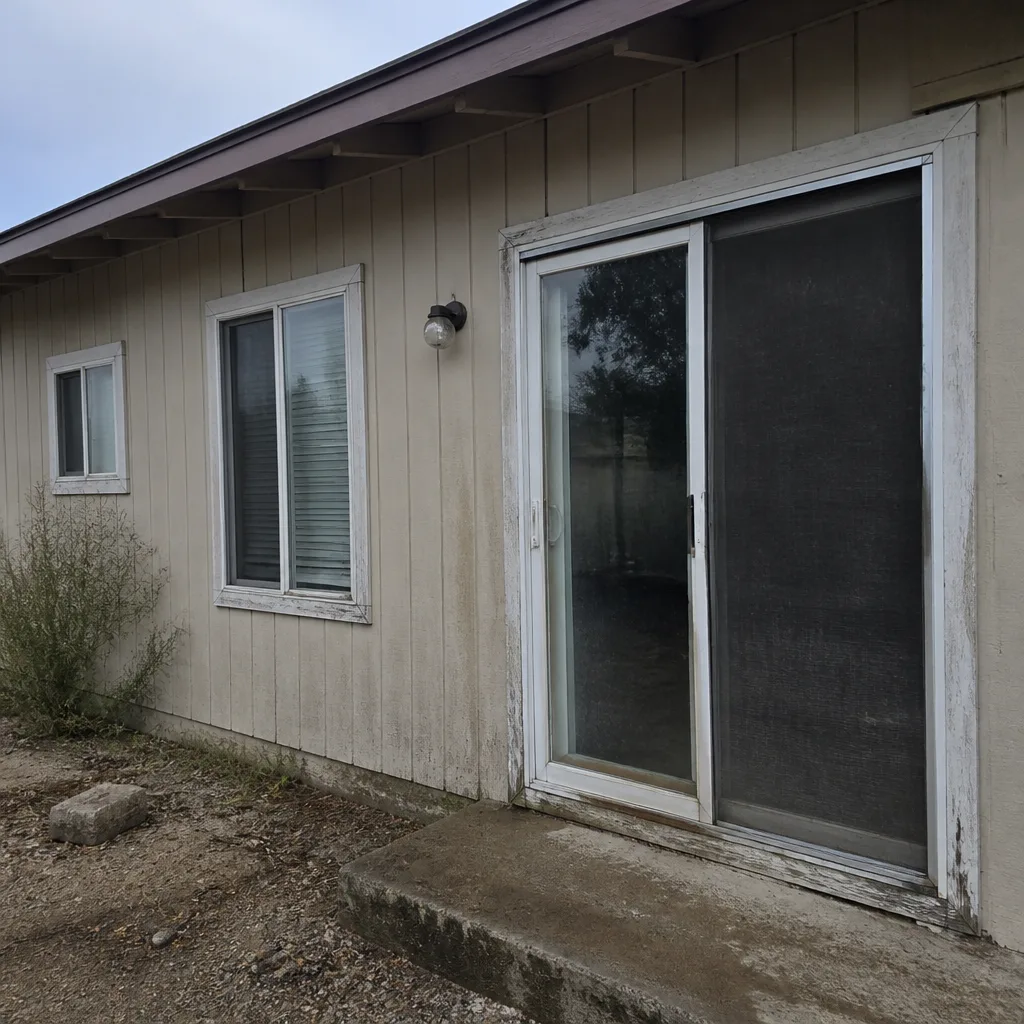 Before
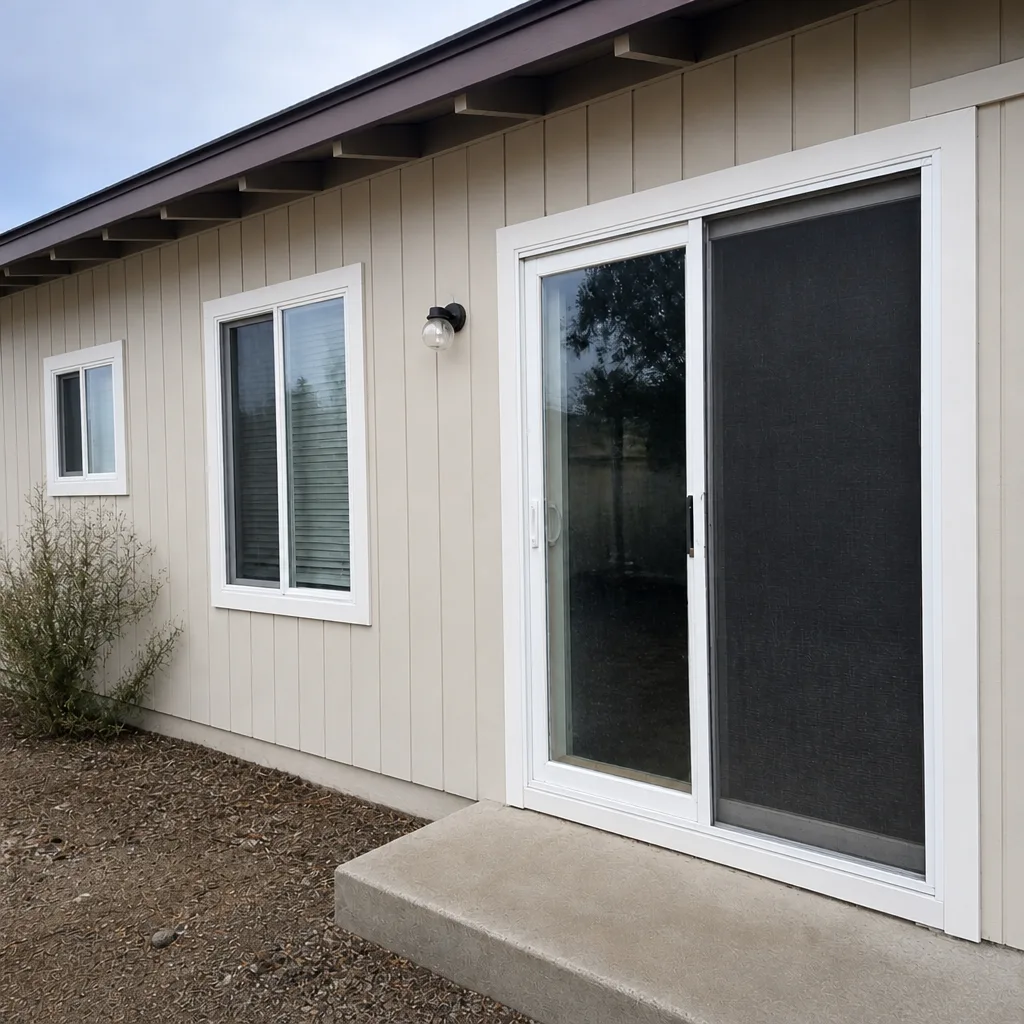 After
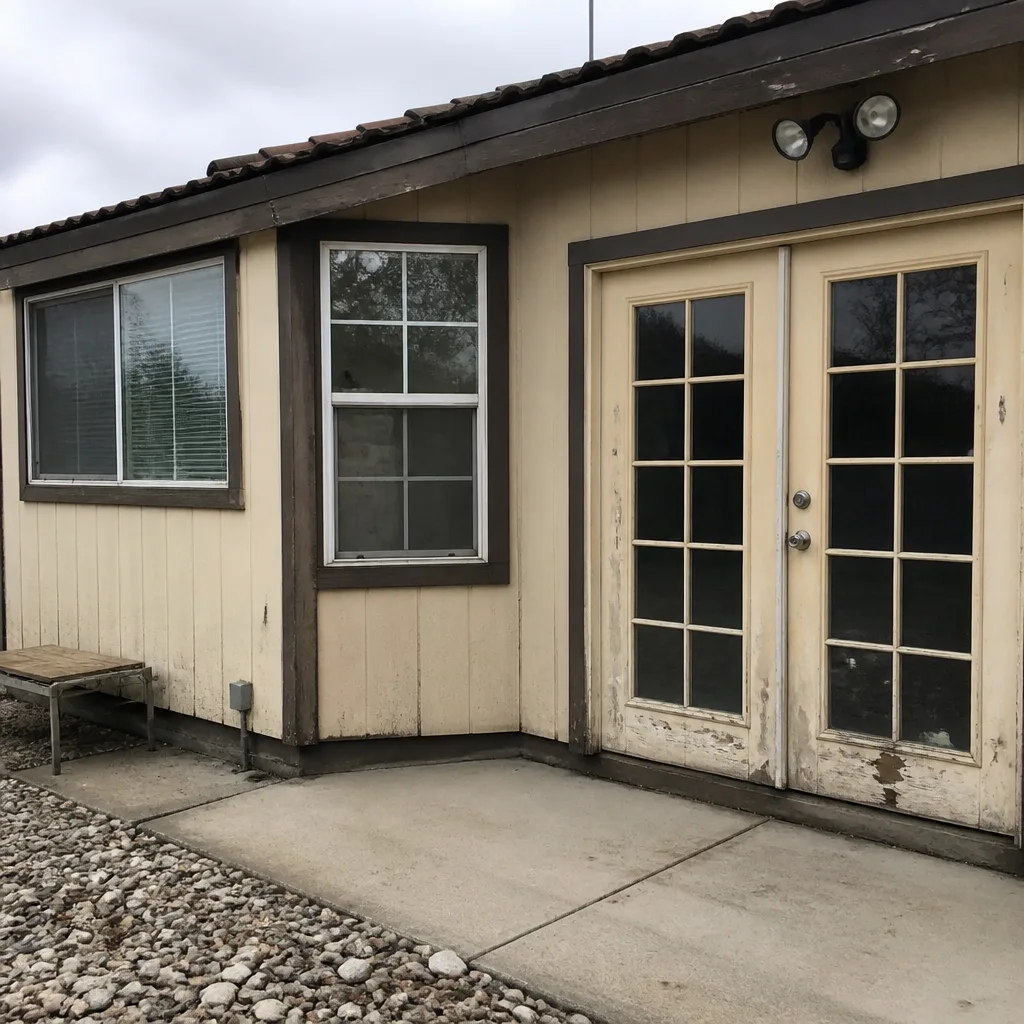 Before
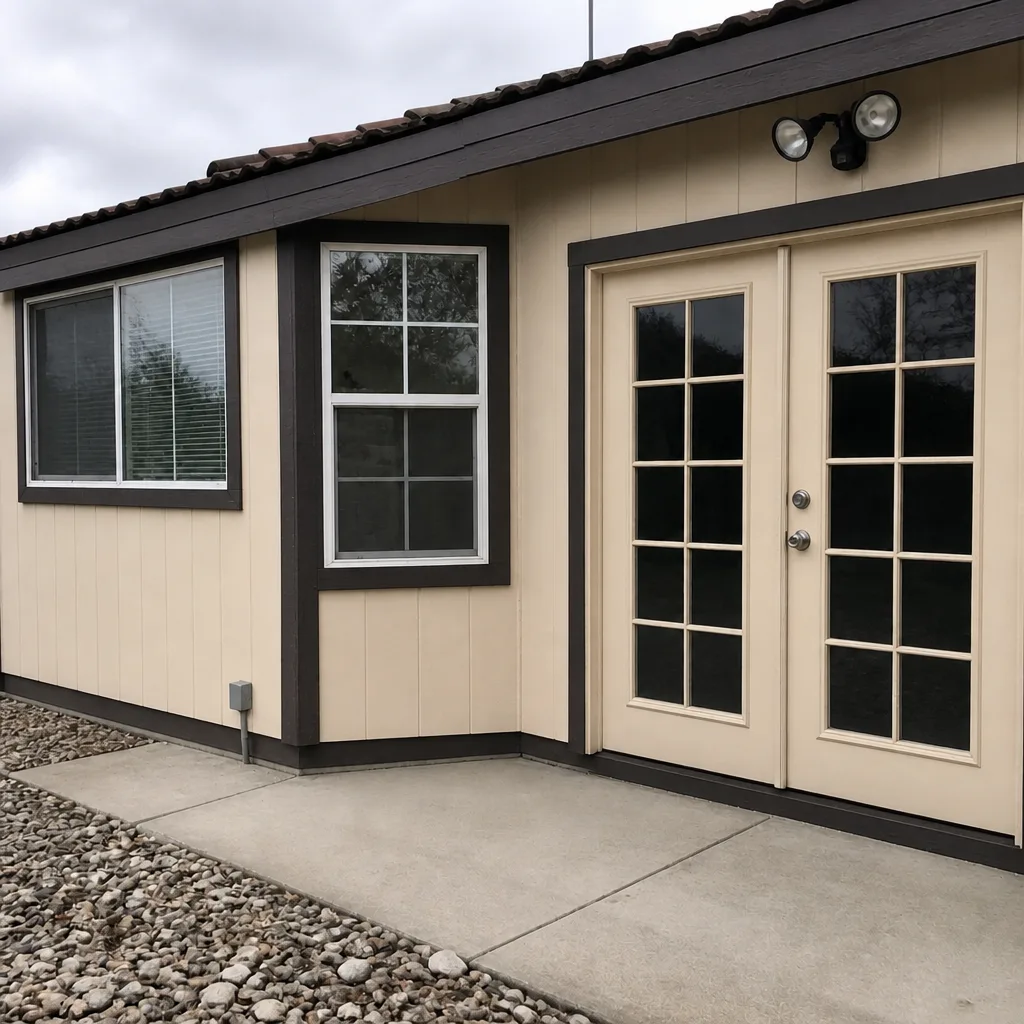 After
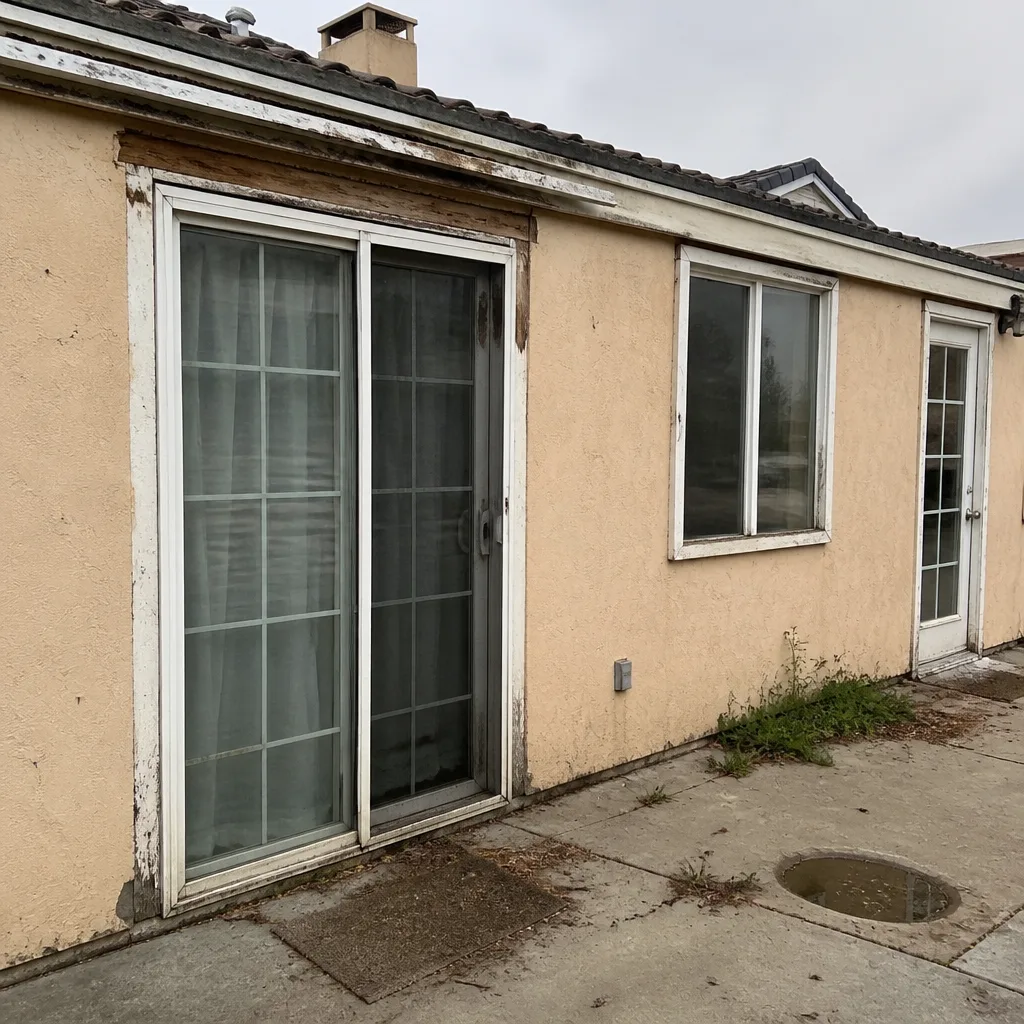 Before
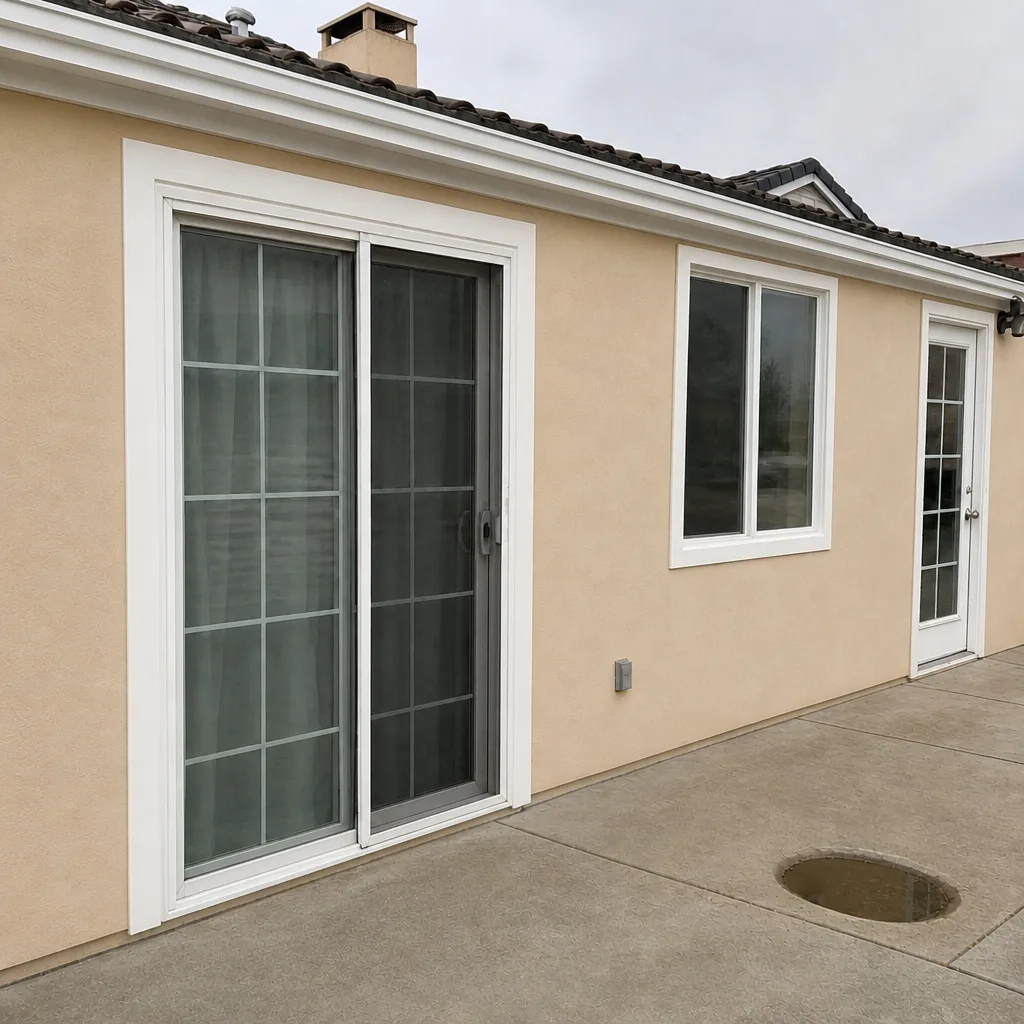 After
#5: “What does your process look like if something goes wrong after installation?”
A specialist has a documented service process with a local point of contact. Ask what happens if a door starts sticking six months after install, or if a window seal fails. The answer should reference a specific process and a local address where the service request is handled.
How to Read a Window Installation Quote
A lump-sum quote hides the shortcuts. A line-item quote reveals them, because every shortcut has to be named to be left out. When a contractor hands you a single number covering everything, you’ve learned almost nothing about what’s actually included. Ask for the itemized version and read it carefully.
A professional window and door quote should break out the following:
- 1
Product line item: the specific brand, model, and performance tier you’re receiving (for example, an impact-rated PGT unit versus a standard ViewLux line is a real difference and should be visible).
- 2
Measurement and preparation: whether the price includes a pre-install site measurement and rough opening prep.
- 3
Removal and disposal: what happens to the old unit, and whether the fee includes haul-away and recycling.
- 4
Flashing and weatherproofing: the specific materials and the labor for flashing the rough opening, sill, and jambs.
- 5
Exterior finish and interior trim: whether the quote includes stucco patching, siding repair, or interior trim, and what the standard is.
- 6
Labor breakdown: the installers, the crew size, and the estimated duration.
- 7
Permits: whether the quote includes pulling the permit and coordinating any required inspection.
- 8
Warranty terms: the manufacturer’s product warranty and the contractor’s own installation warranty, with the length of each stated in writing.
Ask about line items you don’t see. If the quote is missing flashing or trim, ask explicitly whether those are included and get the answer in writing. Ask whether the price is fixed and whether there are change-order scenarios that would push it up after work begins. A professional contractor is happy to put the terms in writing because a written estimate is the price. Whitney Windows & Doors provides free written line-item estimates so the scope of the job is visible from the start.
Why Manufacturer Warranty Validation Depends on Installer Certification
Here’s a fact that surprises many homeowners: a manufacturer’s product warranty often only covers your window or door if it was installed by an approved or authorized installer. Install a top-tier product with an unapproved crew and you can end up with a product that was built to last twenty years and a warranty that evaporates the first time you need service.
Verification is straightforward once you know how to do it. Confirm that the contractor appears on the manufacturer’s own list of authorized installers, or ask for documentation of their dealer or installer status. PGT, CGI, CWS, ViewLux, and the other brands we carry each maintain their own authorized-installer programs, and each has its own warranty terms covering the product versus the installation. The contractor should be able to tell you which manufacturer warranty applies to the unit you’re buying, what the coverage period is, and how an installation defect is handled under the contractor’s own warranty as distinct from the manufacturer’s.
If you’re considering multiple brands, this is where a multi-brand contractor shows real value. Whitney Windows & Doors carries eight brands including PGT, CGI, CWS, ViewLux, and others, and is authorized to install each. That means we can tell you honestly which brand fits your home, budget, and performance goals, and each recommendation comes with accurate warranty guidance rather than a single-manufacturer sales pitch. We advocate for the right product, not the one we happen to stock.
Nevada-Specific Red Flags to Watch For
Nevada has a few patterns that show up in window and door projects more than other places. The dry climate, the high summer heat, and the way homes are built here combine to expose installation quality faster than in milder regions. Two related trends also pop up: crews brought in from out of state for a single project, and subcontracting to unlicensed installers. Here’s what to watch for.
- Unlicensed subcontracting: a licensed contractor who hands the installation to unlicensed labor. The license covers the contractor, not whoever shows up at the door. Ask who will actually install the unit and verify those people are licensed or covered under the contractor’s license and insurance.
- Out-of-state crews on short-term jobs: a crew that travels in for a single project and disappears. There’s nothing inherently wrong with crews from other areas, but ask for a local business address and the name of the person who will handle warranty work after the job finishes.
- No local warranty service address: if the only number you have is a call center or a P.O. box, ask for a physical local service address. A manufacturer warranty service request in Whitney needs a local contractor to respond to it.
- Pressure to sign the same day: anyone who tells you the price expires tonight is selling, not quoting. A written estimate is a document you should be able to take home and read.
- Quote that skips the permit: window and door replacement generally requires a permit in most jurisdictions. A quote that skips this line either forgot or is planning to skip the permit. Ask directly.
How Whitney’s Climate Affects Installation Choices
Whitney’s climate is hot and dry in the summer and can swing cold in the winter, with intense sun exposure across most of the year. That combination puts specific demands on windows and doors that coastal or mild-climate areas don’t face. Windows and doors here see wide daily temperature swings, high UV exposure, and very low humidity through summer. Installation details that hold up under those conditions are not the same details that work in a humid climate.
For windows, this means paying attention to the performance tier of the glass package and the sealing strategy. In our market, impact-rated product lines from PGT, CGI, ES Windows, or ECO Window Systems carry structural and performance benefits beyond storm resistance, and a contractor should be able to walk you through how an impact-rated unit’s frame and seal perform under this region’s temperature cycles versus a standard line. It also means paying attention to the thermal expansion behavior of the frame material. Vinyl, fiberglass, and aluminum each move differently, and the rough opening detail has to accommodate that movement.
For doors, the exterior door faces the same sun and heat cycle. A Therma-Tru fiberglass entry door performs differently from a steel entry door under this climate’s temperature swings, and the installation detail at the threshold and the jamb affects how long the door seals properly. When the wrong threshold detail is chosen for a slab foundation, a homeowner can end up with a door that sticks during the hottest part of the day or lets in a draft through the winter. Asking a contractor how they account for that is one of the most useful questions you can ask in Whitney.
Why a Multi-Brand Contractor Serves You Better
A contractor tied to a single manufacturer has a limited menu, and that means every recommendation eventually circles back to the same answer. A contractor carrying several competing lines can match the product to the home instead of matching the home to the product. In Whitney, where homes range widely in age, wall construction, and existing exterior envelope, that flexibility is a real practical advantage.
Here’s how to tell the difference during the sales conversation. A single-brand contractor will spend the meeting selling the features of their one product. A multi-brand contractor will ask you what your performance priorities are first, listen to how you use the room, and then explain two or three options that fit. They’ll compare an impact-rated line against an energy-efficient line and tell you honestly where each one’s value lands for your specific home. That’s the kind of conversation a homeowner can have with Whitney Windows & Doors, because we carry eight brands and our job is to find the right fit rather than the easiest sell.
Ask about the tiers in a portfolio rather than assuming a brand name equals a single product line. A single manufacturer like PGT or ViewLux will typically offer several product tiers across price and performance. A contractor who can walk you through those tiers, explain why one makes sense for a particular wall, and match it to a door from Therma-Tru or another premium door line, is demonstrating the kind of product fluency that usually signals a genuine specialist.
What a Professional Installation Process Looks Like
The best way to vet a contractor is to compare their process to the one a professional installation actually requires. Here is what a full process looks like from first contact to final walk-through:
- Free in-home estimate: a written quote based on measurement of the actual openings, with line items for product, labor, flashing, trim, disposal, and permit.
- Product selection and specification: the specific brand, model, glass package, and finish chosen in writing, with warranty documentation named.
- Permit application: the contractor pulls the required permit and confirms any inspection that will be needed.
- Pre-installation site prep: the crew confirms measurements, protects adjacent surfaces, and stages materials before removal.
- Removal and disposal: the old unit comes out, the rough opening is inspected, any framing repair is handled, and the old unit is hauled away.
- Rough opening prep and flashing: the sill pan and flashing are installed before the new unit goes in. This is the step that determines how the installation performs in the weather.
- Installation and sealing: the unit is set, shimmed, squared, and sealed at the interior and exterior.
- Interior and exterior finishing: trim, stucco or siding transitions, and interior finishes are completed per the quote.
- Inspection and walk-through: operation is tested, seals are checked, and the homeowner reviews the final result.
- Warranty handoff: the manufacturer’s product warranty and the contractor’s installation warranty are delivered together with the service contact details.
A contractor who skips any of these steps, or can’t explain them in order, is giving you a preview of the job. Every step matters because the installation is what protects the product. Windows and doors are purchased once and installed once, and the installation is where a lifetime product becomes a lifetime result. Whether you’re looking at window replacement or a brand-new door, the process should look like the list above before anyone picks up a pry bar.
If you’re also considering new construction rather than replacement, the same criteria apply, but with an emphasis on the rough opening stage because that’s where an installation can go wrong before any product arrives. Our guide to window installation walks through that process in more detail.
Common Mistakes to Avoid
- Stopping at the license number. Verifying the license exists is step one; verifying the crew, insurance, and factory authorization is the rest of the check. A homeowner who stops at the number has confirmed almost nothing about the installation itself.
- Accepting a lump-sum quote. Any quote that hides flashing, trim, disposal, or permit costs behind one number is going to hide the shortcuts behind that same number. Always request the itemized version in writing.
- Not confirming factory authorization with the manufacturer. If the contractor isn’t an approved installer for the brand you’re buying, you can end up with a product warranty that won’t respond. Confirm the installer status directly with the manufacturer.
- Hiring a general contractor who lists windows as one of many services. The breadth of a menu tells you who you’re hiring. A contractor who does a dozen trades has a crew whose window experience may amount to a handful of projects.
- Skipping the permit to save a step. Permit and inspection are the local check on installation quality. A contractor who suggests skipping them is shortcutting the wrong part of the job.
- Not asking how flashing and thresholds will be handled. This is the detail that separates installation specialists from everyone else. If the contractor can’t describe flashing and threshold details fluently, keep looking.
- Not confirming a local warranty service address. A crew that disappears after the last window is set leaves you navigating the manufacturer warranty alone. Confirm where the service request goes before signing.
When to Call a Professional
Window and door work isn’t a weekend project, and the failure modes of a bad installation often don’t show up for a year or more. Call a professional when you’re replacing windows in a home more than a few decades old, when you’re upgrading to impact-rated or high-performance glass, when a door is being installed in a slab foundation, or when the exterior envelope of the home is being changed in any way. These are the cases where the rough opening, flashing, and threshold details matter most, and where a shortcut has the longest consequences. Even if you’re planning a larger exterior renovation, getting the window and door scope handled by a specialist contractor is the difference between a full envelope done once and an envelope done twice.
Whitney Windows & Doors offers free estimates in Whitney. Call (844) 722-8594. We answer 24/7. Fast dispatch from 7am to 7pm, Sunday through Friday, closed Saturday. The written estimate sets the final price, and our technicians have up to 11 years of experience installing windows and doors across the trade.
Frequently Asked Questions
Look up the contractor’s license number on the Nevada State Contractors Board’s license search. Confirm the license is active and in good standing, that the classification matches the scope of your project, and that there are no unresolved complaints or disciplinary actions. Ask for current liability insurance and workers’ compensation certificates directly. A contractor who is straightforward about all of this is usually the one worth hiring. For help planning your project, call (844) 722-8594 for a free estimate.
In many cases, yes. Manufacturer product warranties often only apply when the product is installed by an approved or authorized installer. Confirm the contractor is on the manufacturer’s authorized list for the specific brand you’re buying, and get the manufacturer warranty terms in writing before signing. Whitney Windows & Doors is an authorized installer across all eight brands we carry, including PGT, CGI, CWS, ViewLux, ES Windows, ECO Window Systems, Mr-Glass, and Therma-Tru.
Because windows and doors are their own trade, and the installation details that determine long-term performance are specific to it. A general building contractor can legally install windows under a general license, but a crew that installs windows and doors every day develops fluency in rough openings, flashing, and sill pans that a generalist crew rarely has. Our advice to homeowners in Whitney: check what a contractor does daily, not what their license is legally permitted to cover.
A professional quote includes product specification with brand and model, removal and disposal of the old unit, rough opening prep and flashing materials, interior and exterior finishing, labor, permit, and warranty terms. If the quote is a single lump sum, ask for the itemized version before you compare it to anyone else’s. Call (844) 722-8594 to schedule a free written estimate in Whitney.
The timeline depends on the number of units, the product selected, and site conditions. A smaller project on a typical home can be completed in a short window, while a full home replacement with impact-rated units and exterior finishing can take considerably longer. The best answer comes from a written estimate that states the projected duration for your specific scope. Call (844) 722-8594 for a free estimate in Whitney.
Because the local temperature swings and intense sun exposure put more stress on seals, frames, and thresholds than milder markets. Choosing between an impact-rated line like PGT or CGI and a standard energy-efficient line like ViewLux or CWS is a real decision here, not a marketing one. A multi-brand contractor can walk you through the performance tiers and match the right product to your specific home. Call (844) 722-8594 to talk through the options.
The Bottom Line
Hiring a windows and doors contractor in Whitney comes down to verifying the things a license number doesn’t cover: whether the crew does this trade daily, whether they’re authorized to install the brand you’re buying, and whether the written quote details the flashing and threshold scope. Read the quote line by line, confirm factory authorization with the manufacturer, and get a local service address in writing before signing. If you’d rather work with a specialist contractor who carries multiple brands and can match the right product to your home, Whitney Windows & Doors is the team to call. Our Whitney service page has the local contact details, and you can reach us at (844) 722-8594 for a free estimate. We answer 24/7. Fast dispatch from 7am to 7pm, Sunday through Friday, closed Saturday.
Written by the team at Whitney Windows & Doors.