Last updated November 18, 2026
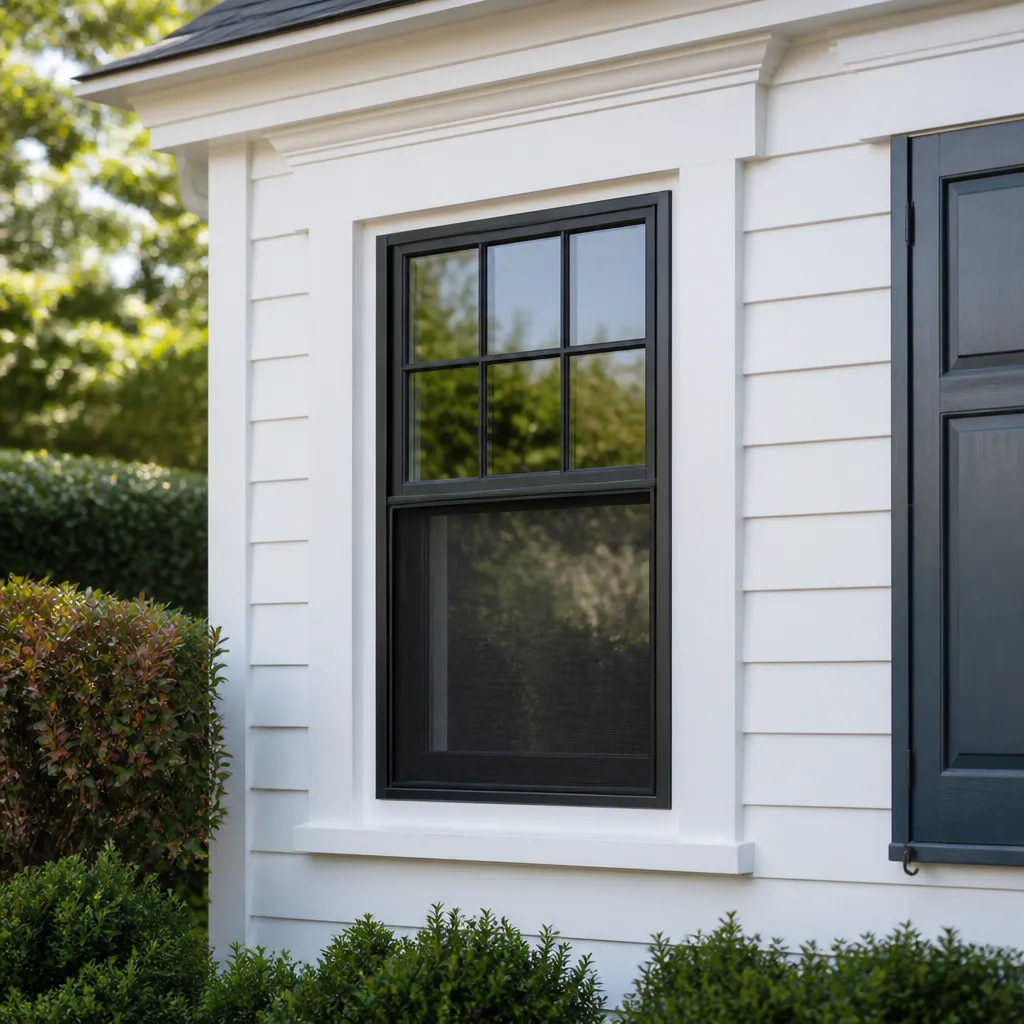 Single hung
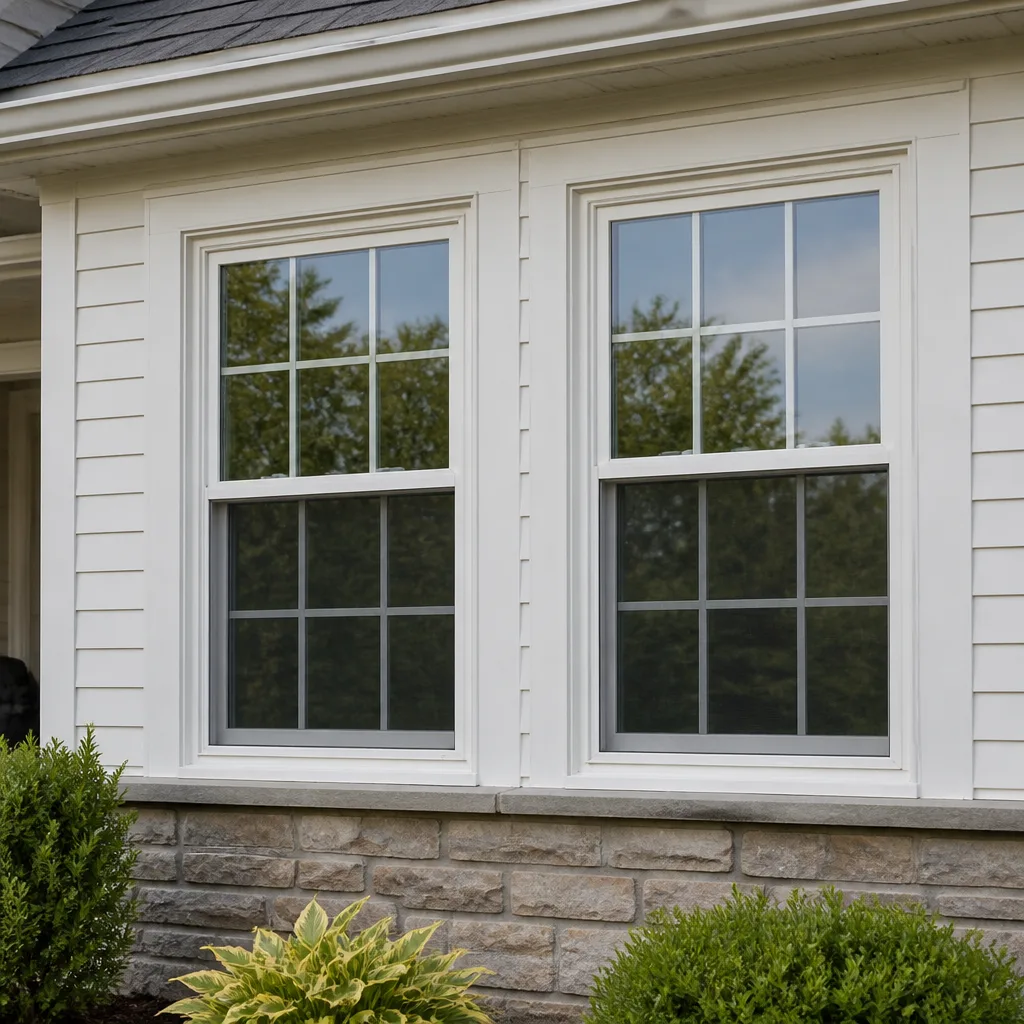 Double hung
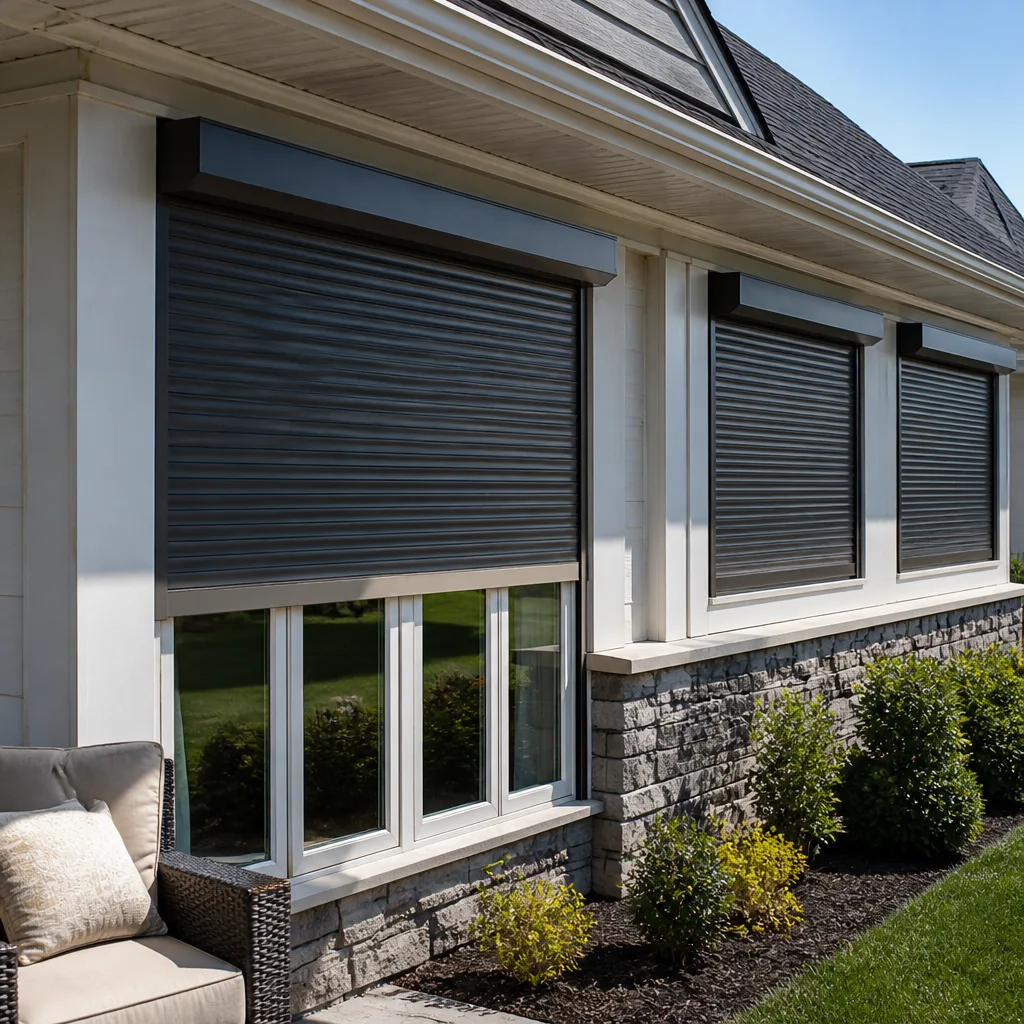 Horizontal roller
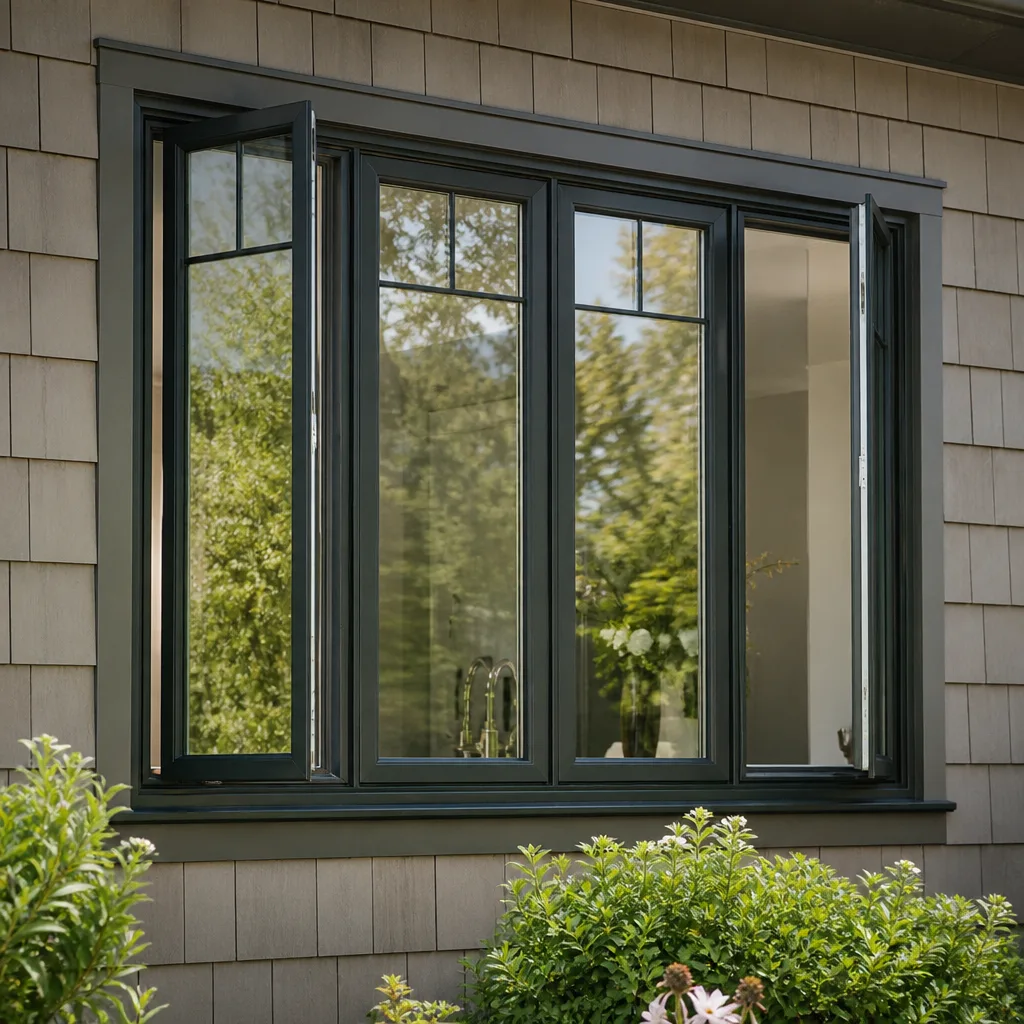 Casement
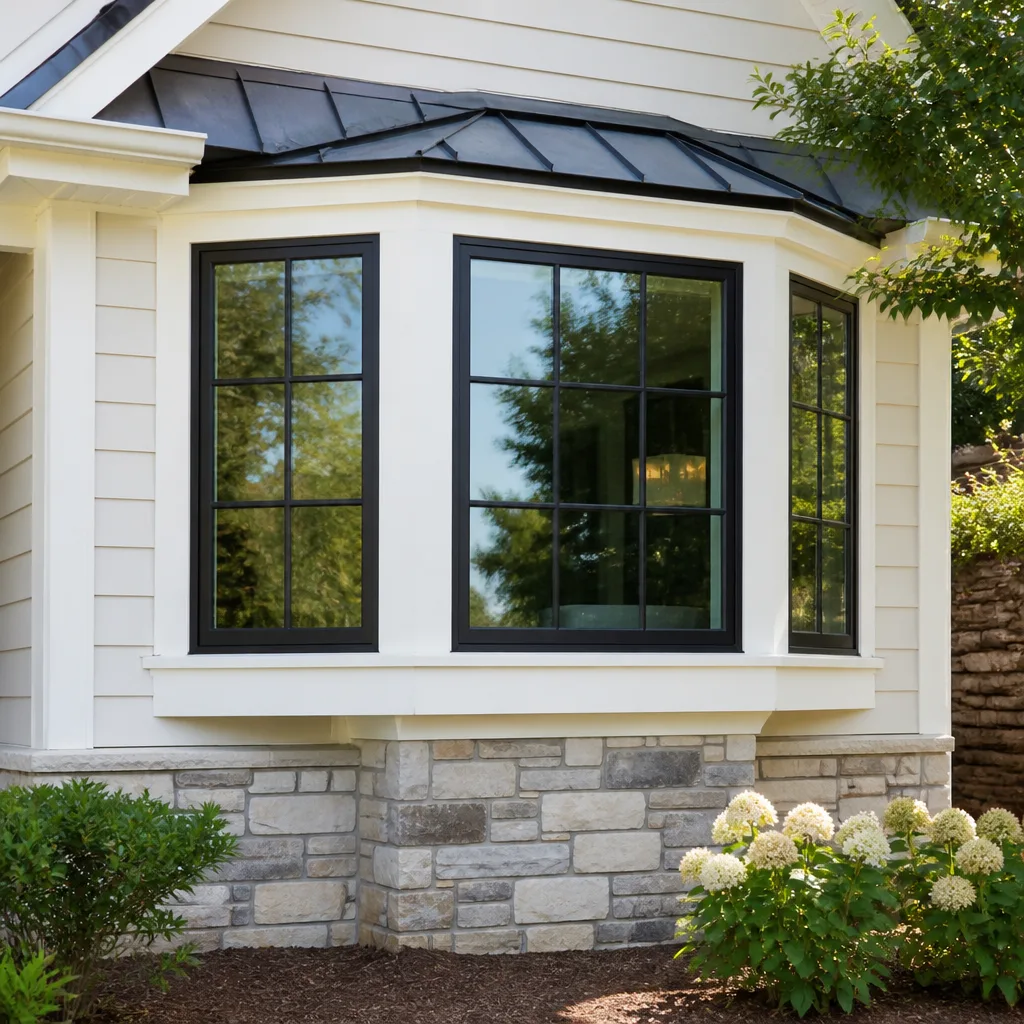 Bay & bow
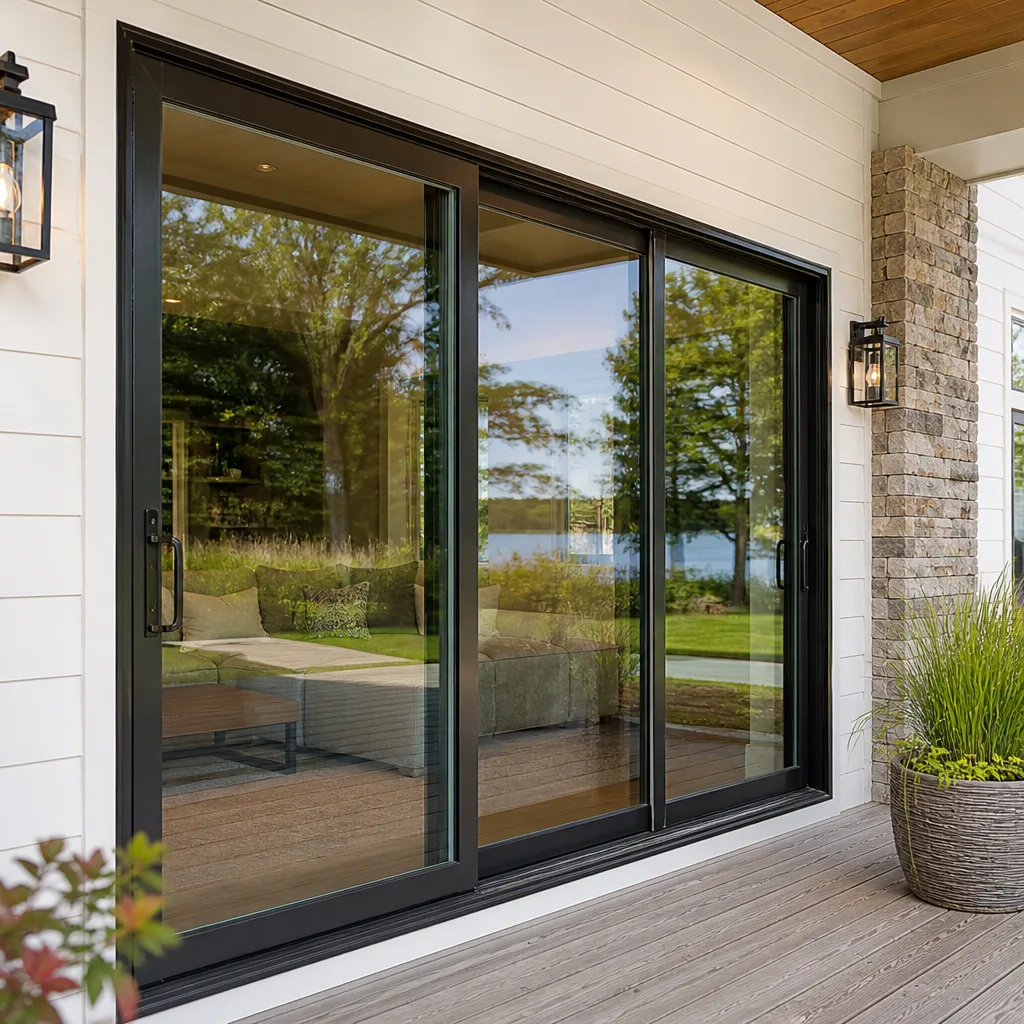 Sliding glass doors
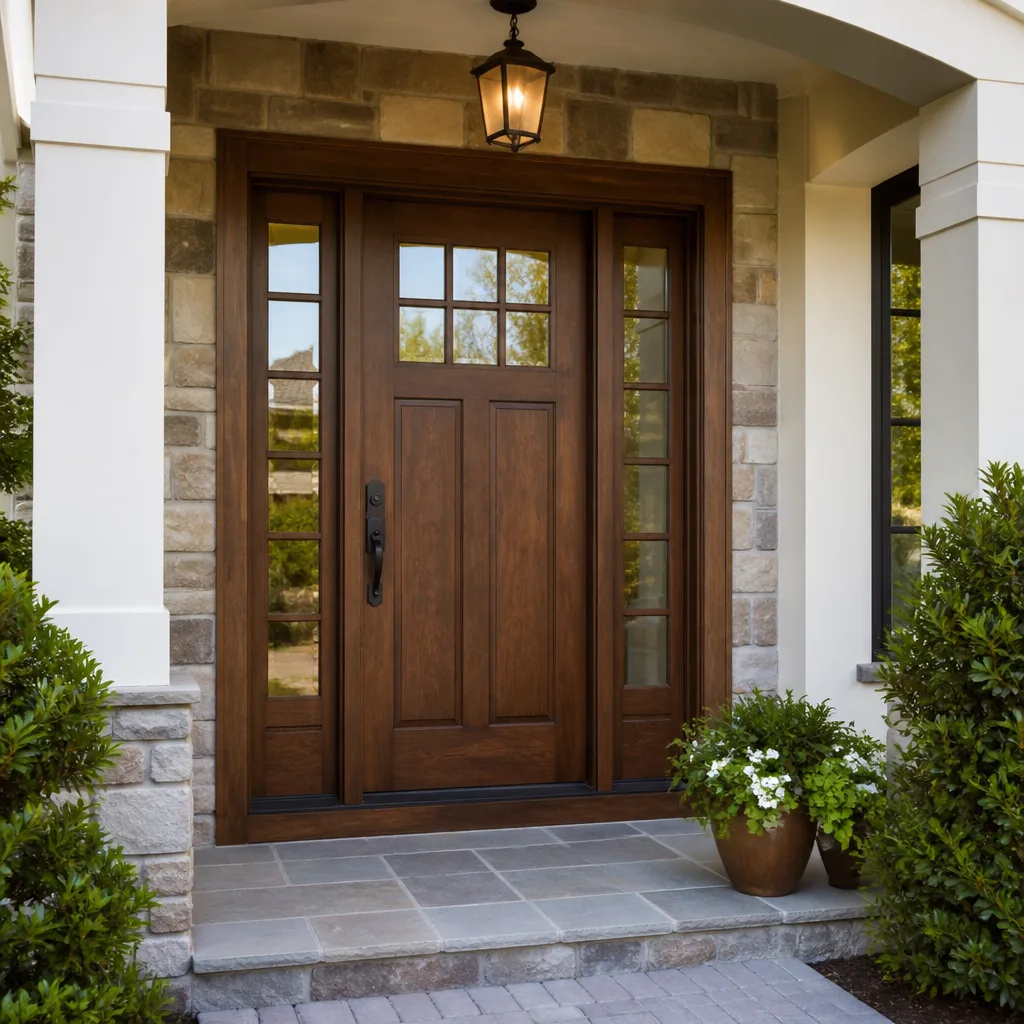 Entry doors
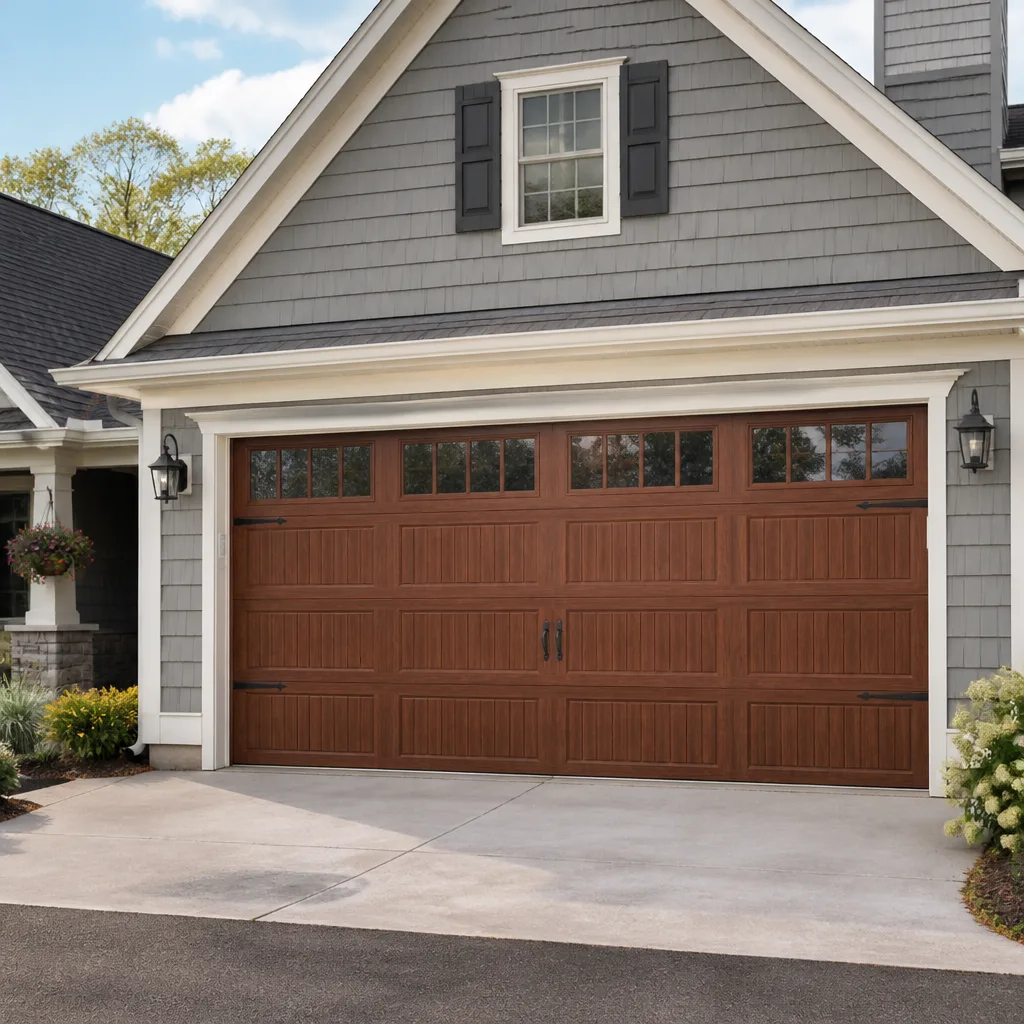 Impact garage doors
 PGT
 CGI
Free in-home measure and quote - PGT, CGI and CWS impact lines compared on your actual openings, style by style
Get your free estimateThe Complete Window Replacement Guide for Whitney Homeowners
Most homeowners spend more time picking a paint color than selecting a window frame material. Paint gets redone in seven years; the frame you choose lives in your wall for the next 25. In Whitney, that decision carries extra weight. High-desert temperature swings, intense UV, and dry air treat building materials differently than the humid or mild climates most window marketing is written for.
This guide walks you through window replacement as a sequenced project: frame choice, replacement method, performance ratings read for Nevada’s climate zone, installation standards, and a realistic timeline. Every phase has decisions that are cheap to make early and expensive to fix later. Working with Whitney Windows & Doors, you can arrive at installation day with zero surprises.
Quick Answer
Window replacement in Whitney is a phased project, and the decisions that matter most – frame material, full-frame versus pocket replacement, and correctly interpreted performance ratings for a high-desert climate – happen before any product is ordered. Choosing a frame suited to UV intensity and temperature swing, reading U-factor and SHGC against Nevada’s climate zone rather than national averages, and insisting on proper flashing and air sealing during installation are what separate a window that lasts 10 years from one that lasts 25.
Styles & brands we work with
- Single hung
- Double hung
- Horizontal roller
- Casement
- Bay & bow
- Sliding glass doors
- Entry doors
- Impact garage doors
- PGT
- CGI
Table of Contents
- Why Frame Material Comes First
- Full-Frame vs. Pocket Replacement: Which Fits Your Wall?
- Reading Performance Ratings for Whitney’s Climate
- Why the Installation Method Matters as Much as the Product
- Choosing Among Brands Without Settling
- A Realistic Project Timeline
- Common Mistakes to Avoid
- When to Call a Professional
Why Frame Material Comes First
Frame material determines how a window performs after five summers in Whitney’s sun. It’s the earliest decision and the hardest to undo, so it deserves the first 20 minutes of your planning, not the last.
Whitney sits in a high-desert climate. Daytime temperatures climb, then drop sharply after sunset. Sun exposure is strong year-round, and humidity stays low. Those conditions hit materials in predictable ways:
- Vinyl handles UV reasonably well in quality grades but can expand and contract noticeably with big temperature swings. Cheaper vinyl may discolor or grow brittle over time.
- Aluminum is dimensionally stable but conducts heat readily, which matters on a hot afternoon and again on a cold night. Thermally broken aluminum addresses this.
- Fiberglass expands and contracts very little and holds up to UV. It tends to cost more than vinyl.
- Wood and wood-clad look great but need maintenance in dry, sunny conditions. Cladding reduces the upkeep.
Impact-rated product lines – like those offered by PGT, CGI, ES Windows, and ECO Window Systems – often use frame constructions engineered for tough conditions, which is worth asking about even if you aren’t in a designated impact zone. Whitney Windows & Doors carries competing frame systems on purpose: your home’s exposure, orientation, and budget should drive the choice, not what a single manufacturer happens to make.
Questions to ask yourself before you shop
- Which walls face the strongest afternoon sun, and how much do those rooms overheat?
- Which windows do you open and close most, and will the frame hold up to that use?
- How much maintenance are you willing to take on each year?
- What does the rest of the exterior look like – stucco, siding, stone – and which frame profile fits it?
Full-Frame vs. Pocket Replacement: Which Fits Your Wall?
Full-frame replacement removes the entire window, including the frame and often the trim, and installs a new window into the rough opening. Pocket, or insert, replacement slides a new window into the existing frame. Full-frame is the more thorough approach and generally costs more. Pocket replacement is faster and less invasive but only makes sense when the existing frame is sound.
This is where a lot of Whitney-area budgets shift, because the right answer depends on the age and condition of your walls, not on preference. A few rules of thumb:
- Choose full-frame when the existing frame is rot, cracked, or out of square, when you’re changing window size or style, when the home is older and the wall assembly needs air-sealing work, or when you want the trim and exterior profile to match a remodel.
- Choose pocket replacement when the existing frame is structurally sound, you’re keeping the same size and style, and you want to limit disruption and trim work.
What many homeowners miss: pocket replacement inherits whatever problems the original frame has. If the old window leaked air around the frame, an insert won’t fix the cause. During a Whitney walkthrough, we look at how the wall is built and whether the frame is worth keeping. That single assessment often decides the budget for the entire project.
For a deeper look at how the full service works, see our page on window replacement.
Reading Performance Ratings for Whitney’s Climate
Window labels carry numbers that most buyers either ignore or misread. In Whitney, three matter most: U-factor, Solar Heat Gain Coefficient (SHGC), and Visible Transmittance (VT).
- U-factor measures how well the window resists heat flow. Lower is better. In a high-desert climate with real heating and cooling seasons, a low U-factor pays off on both ends.
- SHGC measures how much solar heat passes through. Lower SHGC keeps rooms cooler in summer, but push it too low and you lose beneficial winter warmth. Nevada’s climate zone rewards a middle-of-the-road value rather than an extreme one.
- VT measures how much visible light gets through. Higher VT means brighter rooms – and in bright Whitney sun, you want daylight without overheating.
The trap here is national marketing. A window tuned for a cold northern climate will hold heat in and let solar gain through, which is wrong for a desert home in July. A window tuned for the Deep South may block so much solar heat that rooms stay dim and cold in winter.
How to use the numbers
- Check the climate zone rating on the window label – it should be matched to Nevada’s zone, not a national average.
- Compare U-factor and SHGC together. Neither number tells the whole story alone.
- Weigh VT against SHGC: you want the light without the heat.
- Ask the manufacturer how the window performs specifically in temperature swings and high UV, not just typical summer conditions.
Whitney Windows & Doors carries both energy-efficient and impact-rated lines from manufacturers like CWS and ECO Window Systems, so we can walk you through these trade-offs for your actual home rather than a hypothetical one.
Why the Installation Method Matters as Much as the Product
A premium window installed poorly will underperform a mid-range window installed correctly. The difference shows up in air leaks, water intrusion, and callbacks. Installation standards matter as much as the product, and in Whitney’s climate that means air sealing, flashing, and anchoring done right.
Here’s what a proper installation involves:
- Inspection before installation. The installer checks the rough opening for square, level, and rot before the new window goes in. Any wall issues are addressed first.
- Flashing. The exterior weather barrier is layered so water sheds away from the opening, not into it. Flashing done wrong is the number one cause of post-install leaks.
- Air sealing. Gaps between the window and the frame are sealed to stop drafts and heat transfer. In a dry, windy climate like Whitney’s, poor sealing is immediately noticeable.
- Anchoring and shimming. The window is fastened into solid framing, not just surface material, and shimmed so the frame doesn’t distort and break the seal on the glass.
- Trim and finish. Interior and exterior trim are reinstalled and sealed, and the finished job is tested for operation and fit.
This is the part of the project most homeowners can’t see after the fact, which is why choosing installers who perform only this trade matters. A specialist crew understands the technical language: what the manufacturer requires for the warranty to hold, what the local climate demands, what passes inspection. Whitney Windows & Doors focuses on window installation and door installation and nothing else. Our technicians have up to 11 years of experience.
Choosing Among Brands Without Settling
Homeowners often meet one product line on a single sales visit and assume that’s the market. In practice, the right window varies by room, orientation, exposure, and budget. Whitney Windows & Doors carries an eight-brand portfolio – PGT, CGI, CWS, ES Windows, ECO Window Systems, Mr-Glass, Therma-Tru, and ViewLux – so recommendations are driven by your needs, not by one manufacturer’s product sheet.
Why does that matter in a Whitney project?
- Performance tiers differ. One product line may be best for a high-exposure west wall, another for a shaded bedroom. A single-brand dealer has to stretch one system across every application.
- Style ranges differ. Sliding, casement, awning, picture, and architectural profiles aren’t equally strong across manufacturers.
- Doors are part of the envelope. Therma-Tru covers the full range of exterior doors, from fiberglass to steel entry doors, so window and door replacement can be planned together.
The right window for your home – not just the one we happen to stock – is the whole point. Because we carry competing brands, we can walk you through every option honestly, including the ones that cost less or more than another. That’s the value of a portfolio over a single line. Learn more about our approach on the Whitney Windows & Doors home page.
A Realistic Project Timeline
Timelines vary by brand, product line, and home, but a planned Whitney window replacement follows a predictable sequence. Here’s what to expect from first measurement to final inspection:
- Consultation and measurement (week 1). We measure every opening, assess the walls, and talk through frame, glass, and replacement method options. This is where most decisions get made, so treat it as the planning meeting it is.
- Product selection and order (week 1-2). Once you’ve chosen the manufacturer and product line, we place the order. Lead times vary by brand and product; some lines are quicker, others take longer, so this is the step that stretches timelines most.
- Manufacturing and delivery (varies by product line). Windows are built to order. Plan around the lead time your specific line requires rather than a general estimate.
- Installation (1-3 days, depending on scope). A handful of windows can go in quickly; a whole home takes longer. Full-frame replacements take more time than pocket inserts.
- Trim, sealing, and walkthrough. The crew finishes trim, seals the penetrations, and walks the completed work with you.
- Final inspection. We check operation, fit, and finish on every opening. Any issues are corrected before we’re done.
Total project time can span several weeks to a couple of months, mostly on the lead time side. Getting the measurements and product choice right early is what keeps the rest of the schedule realistic.
Common Mistakes to Avoid
- Choosing a frame material before checking the wall. The right frame for a Whitney home depends on which walls get the most sun and what the exterior is made of. Starting with the material instead of the wall puts you a step out of sequence.
- Reading U-factor and SHGC as national averages. A window tuned for a northern climate will let desert heat in where you don’t want it. Match the ratings to Nevada’s climate zone.
- Letting a single-brand dealer define the market. Meeting one product line isn’t the same as comparing options. Ask how the recommended window performs against alternatives on the same wall.
- Pocket-replacing a damaged frame. An insert dies with the frame it’s mounted in. If the existing frame is compromised, the cheaper option costs more over time.
- Assuming the product matters more than the install. The best window with poor flashing and air sealing will leak and underperform. Insist on installation standards in writing.
- Skipping the wall inspection. In older homes, hidden wall issues surface once the old window comes out. Picking an installer who inspects the rough opening before installation avoids surprises.
- Planning decisions in the wrong order. Frame, replacement method, and performance ratings are worth deciding in your first consultation. Changing them after the order is placed means delay and cost.
See the difference
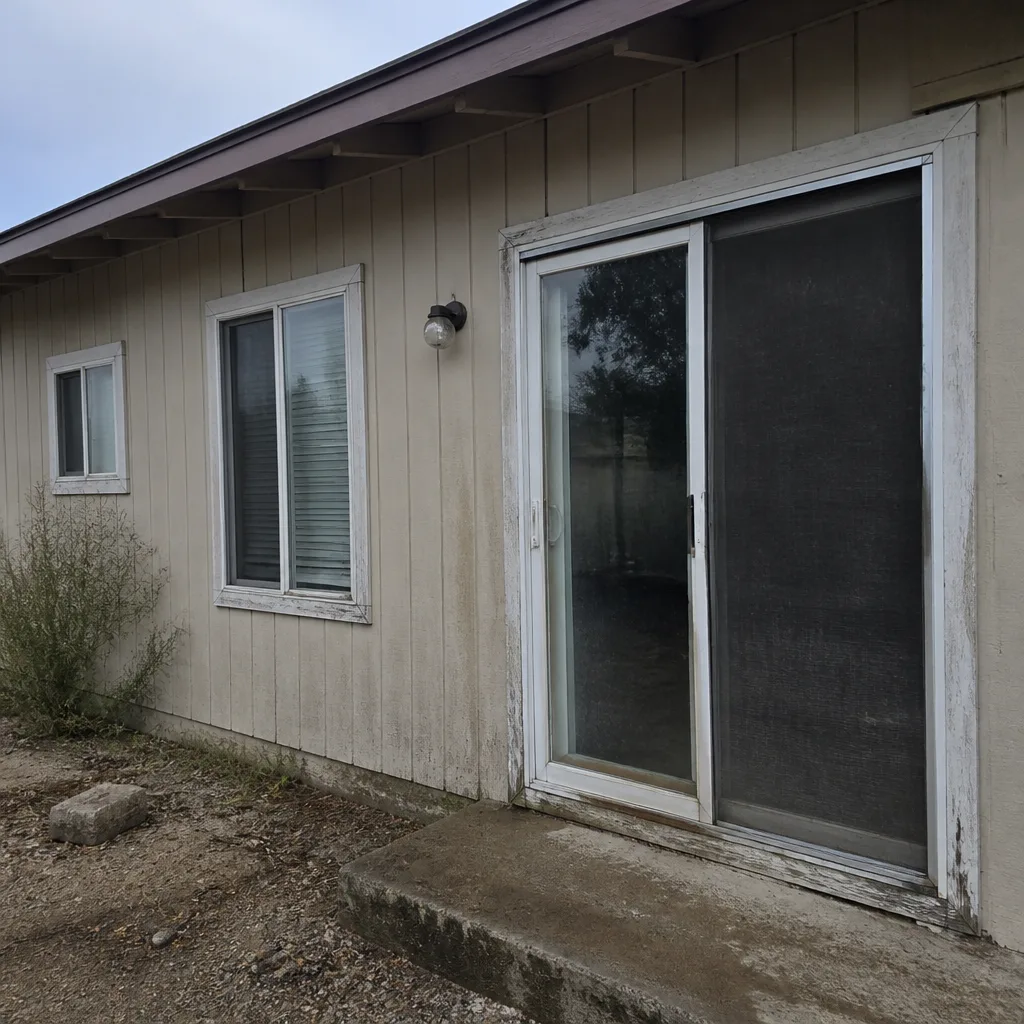 Before
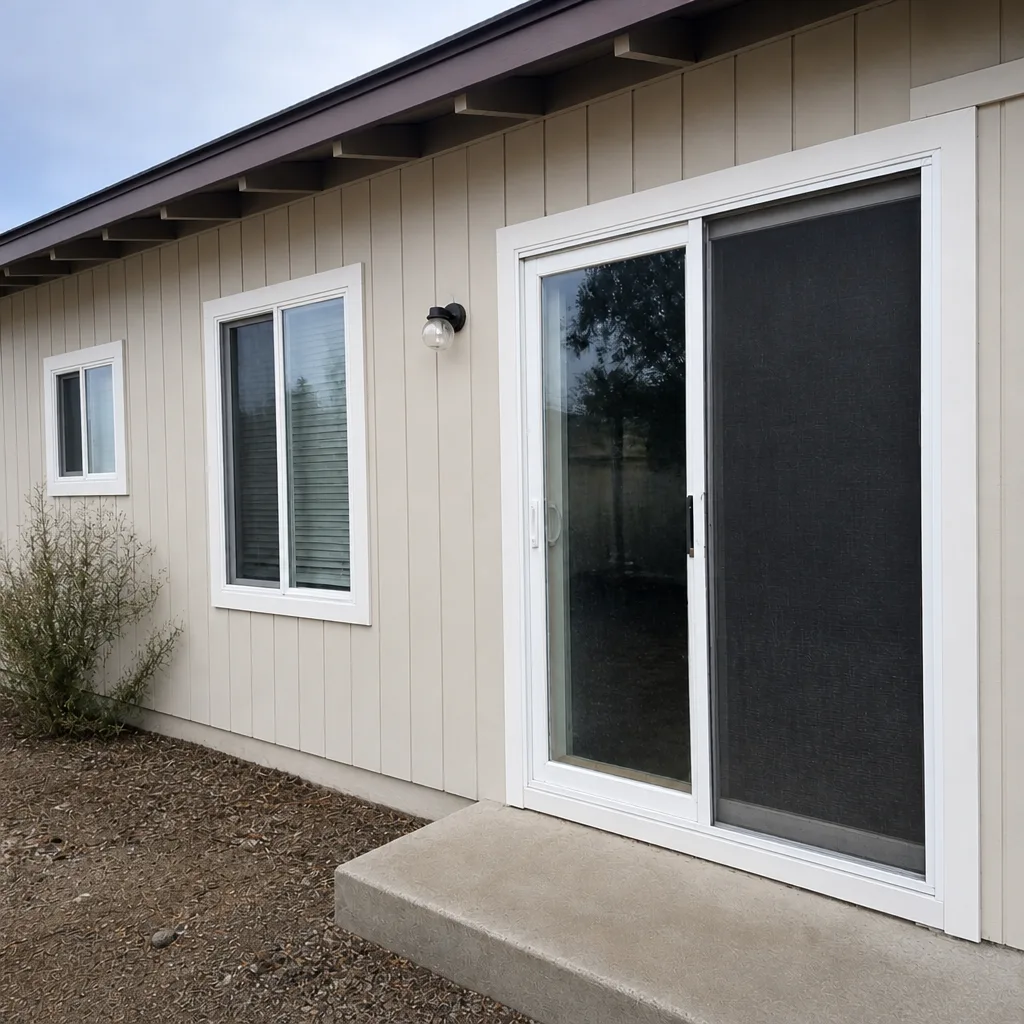 After
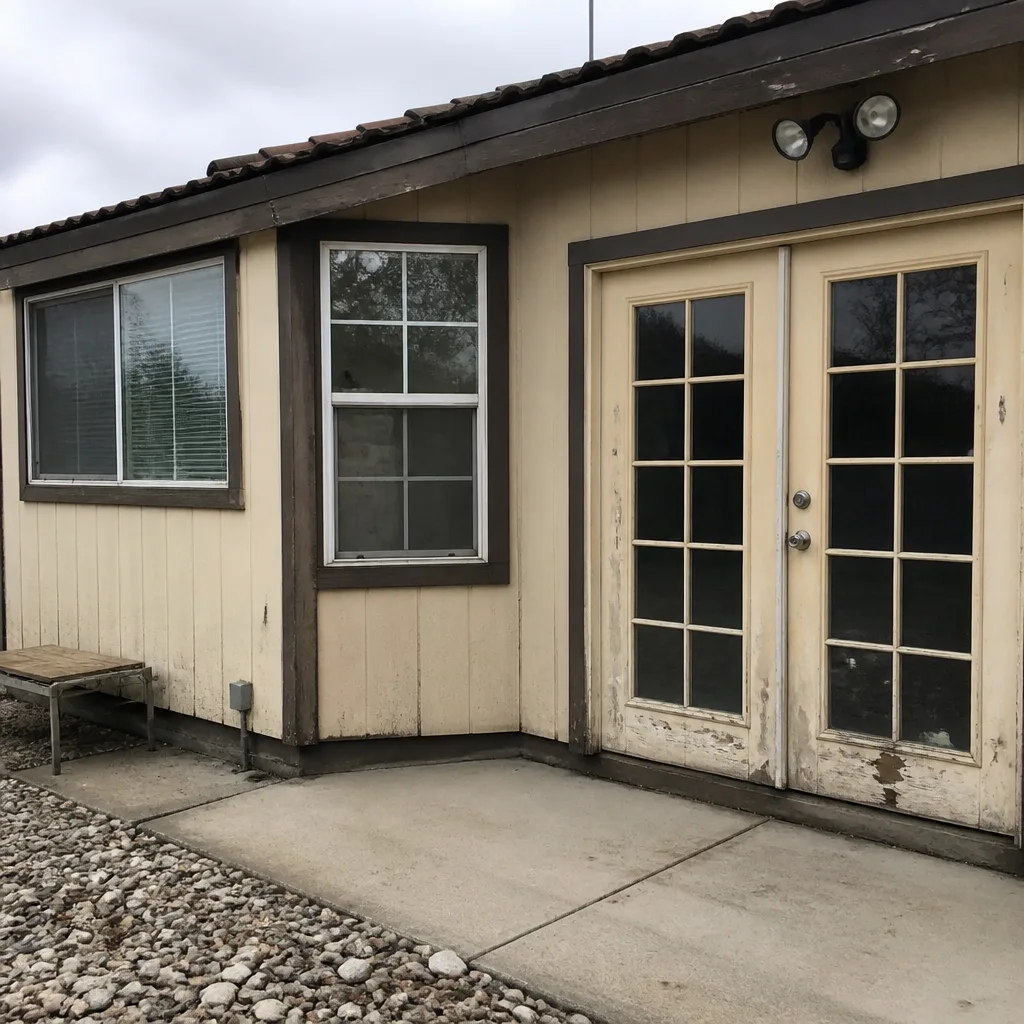 Before
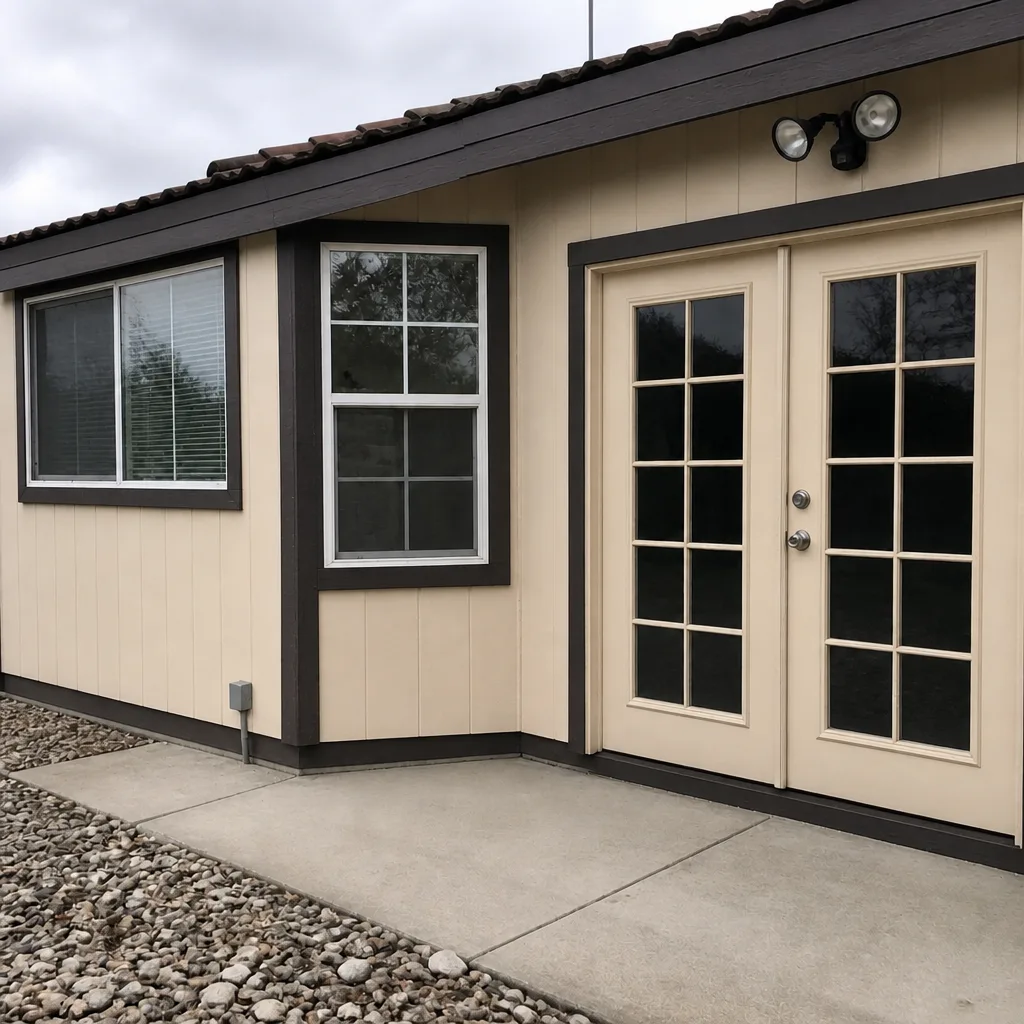 After
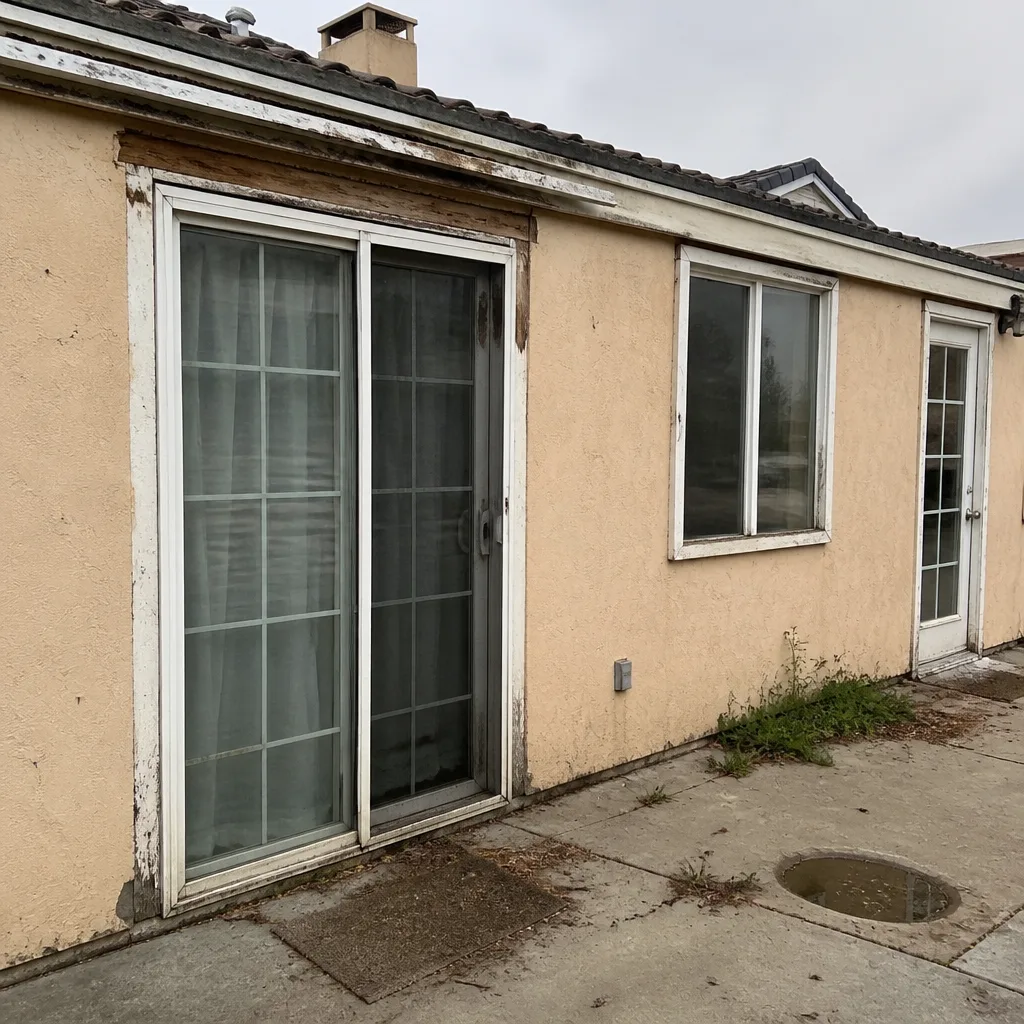 Before
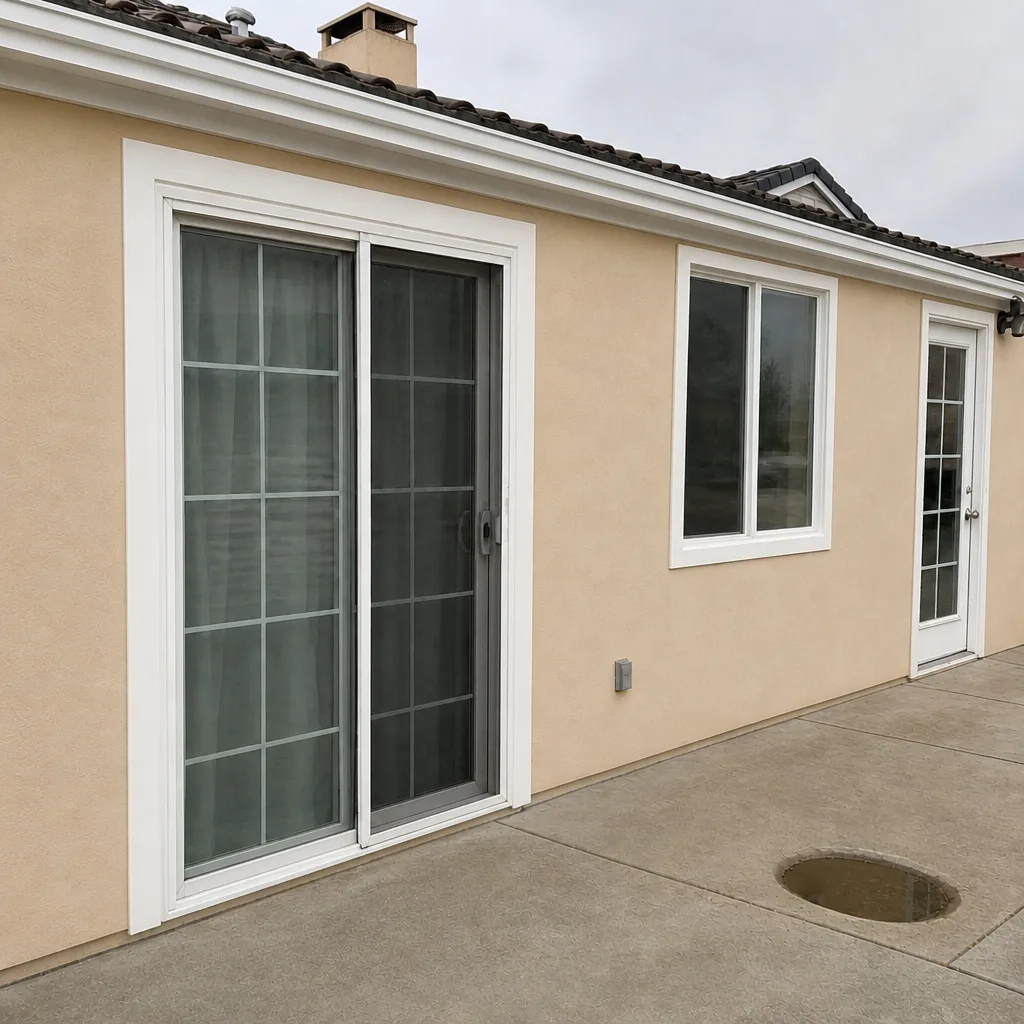 After
When to Call a Professional
Some window problems are cosmetic. Others are structural and get worse. Call a professional if you see rot or soft spots in the frame or sill, windows that stick or won’t stay open, water stains around the opening after rain, condensation between glass panes, drafts you can feel on a cold night, or visible cracks in the frame. These signs usually point to a failed unit or a failed seal, and both are worth diagnosing before you plan a replacement. Whitney Windows & Doors offers free estimates in Whitney – call (844) 722-8594. We answer 24/7. Fast dispatch from 7am to 7pm, Sunday through Friday.
Frequently Asked Questions
We don’t quote a single price for Whitney because costs depend on frame material, glass package, replacement method, and the number of windows. The reliable way to know is a free written estimate from Whitney Windows & Doors that lists line-item pricing for your specific openings. Call (844) 722-8594 to schedule it – estimates are free.
A typical Whitney project spans several weeks from consultation to finished installation, with most of that time in product lead time. The installation itself usually takes 1-3 days depending on scope and whether it’s a full-frame or pocket replacement. Call (844) 722-8594 and we’ll give you a timeline for your product choice.
Full-frame replacement removes the entire window and installs a new one into the rough opening, while pocket replacement slides a new window into the existing frame. Full-frame is more thorough and generally costs more; pocket replacement is only appropriate when the existing frame is sound. Call (844) 722-8594 and we’ll assess which fits your wall.
There’s no single best frame – the right choice depends on sun exposure, wall construction, and budget. Vinyl, fiberglass, and thermally broken aluminum each handle high-desert temperature swings differently. Whitney Windows & Doors carries competing brands like CWS and ECO Window Systems so we can recommend a frame based on your needs rather than one manufacturer. Call (844) 722-8594 for a free estimate.
The written estimate sets the price, and a proper inspection of the rough opening before installation catches any surprises early. Our estimates are fixed and detailed, so you know what you’re paying before we start. Call (844) 722-8594 to request yours.
Yes. Whitney Windows & Doors carries both impact-rated lines, such as PGT, CGI, ES Windows, and ECO Window Systems, and energy-efficient lines from the same and other manufacturers. We can walk you through every option against your specific exposure and climate conditions. Call (844) 722-8594 for a free estimate.
The Bottom Line
Window replacement in Whitney rewards planning. Start with frame material, choose the replacement method that fits your walls, and read U-factor, SHGC, and VT against Nevada’s climate zone rather than a national benchmark. Then insist on installation done to manufacturer and code standards – because air sealing and flashing decide how long the window actually performs. The brands matter, but the sequence matters more. Whitney Windows & Doors keeps both in view, with eight trusted brands and one installation team. For a free written estimate, call (844) 722-8594. We answer 24/7. Fast dispatch from 7am to 7pm, Sunday through Friday.
Written by the team at Whitney Windows & Doors.