Last updated November 18, 2026
 Single hung
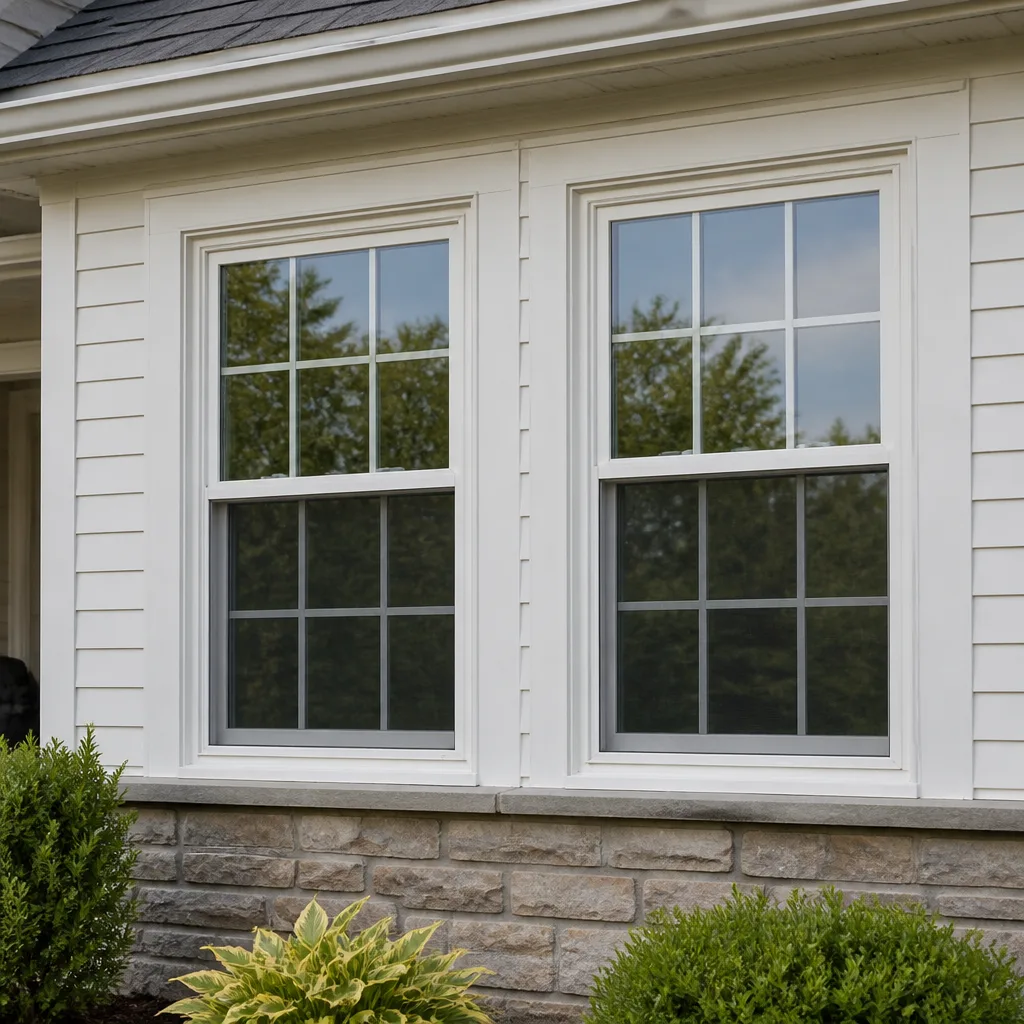 Double hung
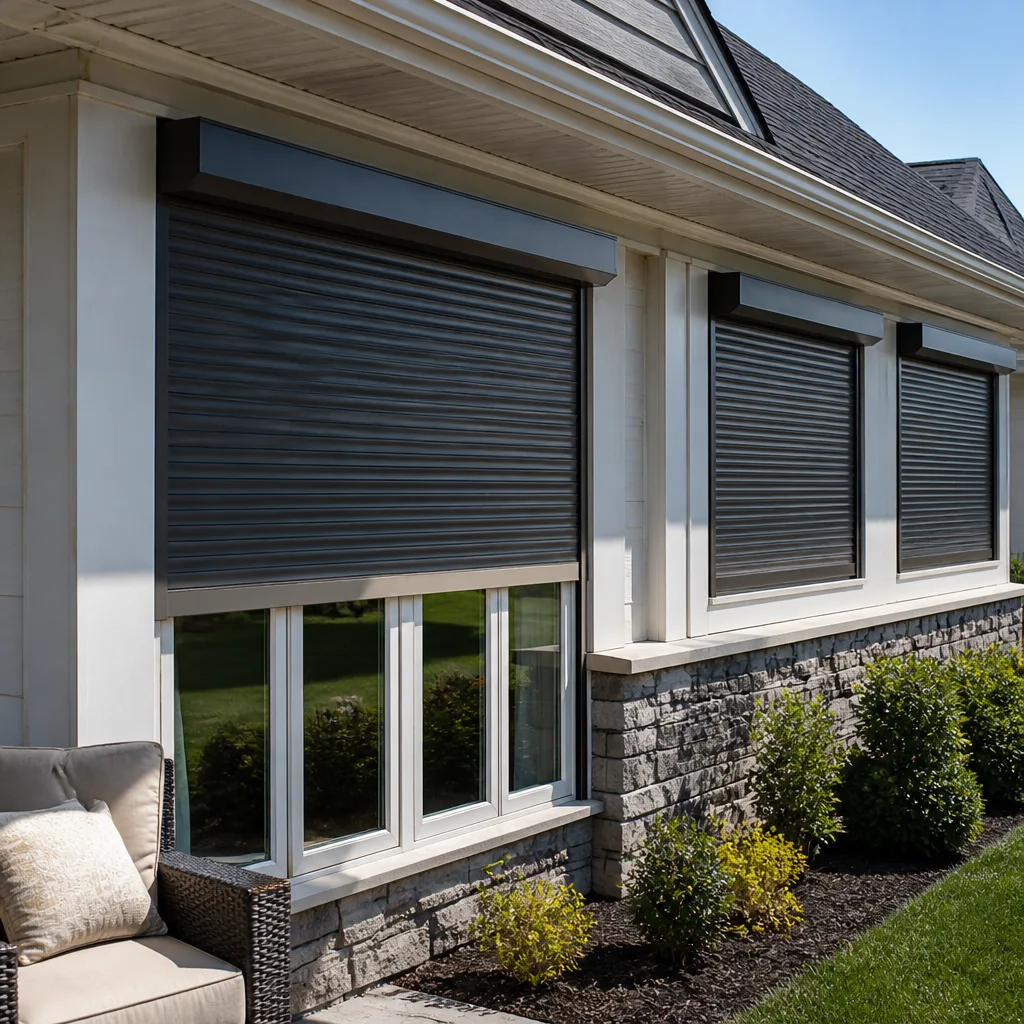 Horizontal roller
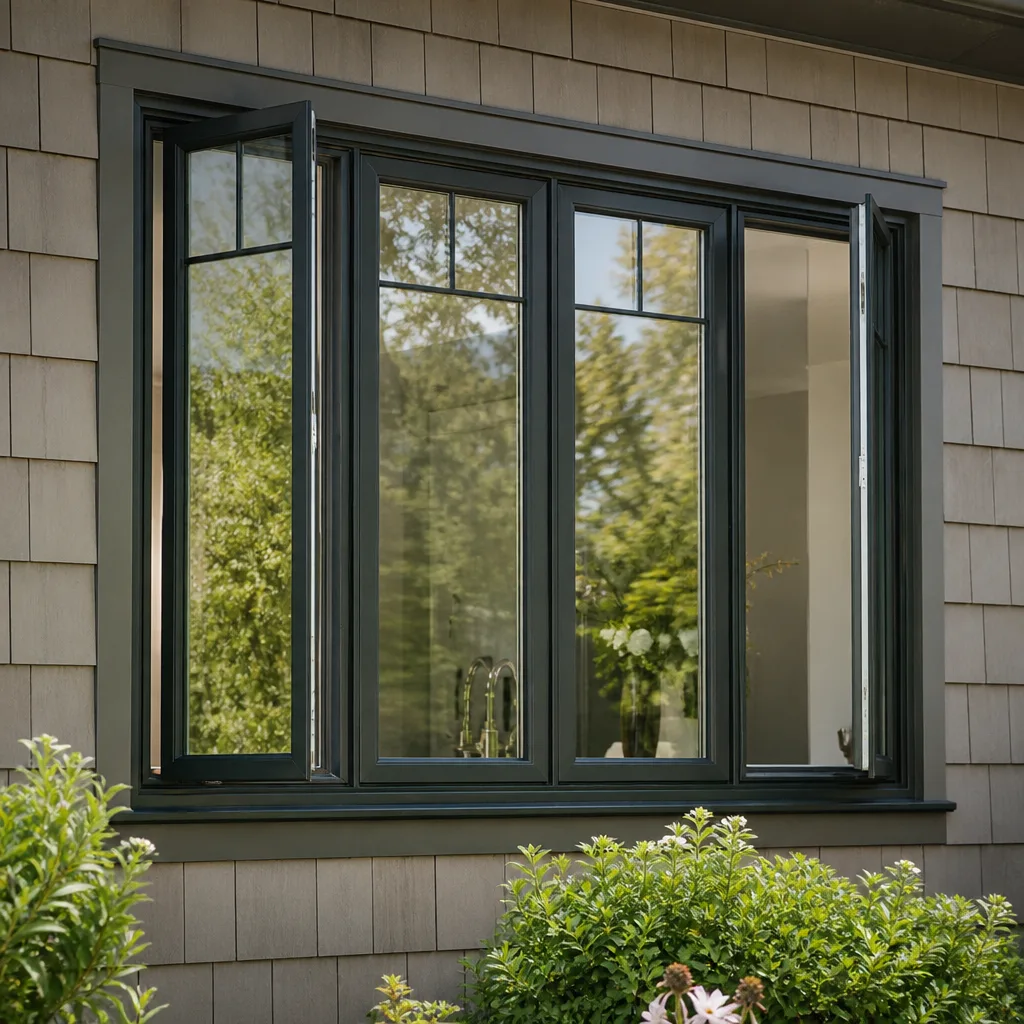 Casement
 Bay & bow
 Sliding glass doors
 Entry doors
 Impact garage doors
 PGT
 CGI
Free in-home measure and quote - PGT, CGI and CWS impact lines compared on your actual openings, style by style
Get your free estimateWindow Replacement Maintenance Checklist for Whitney Homeowners
Most window maintenance advice treats upkeep as a cosmetic chore: wash the glass, wipe the frames, move on. In Whitney, that approach misses the expensive stuff. This valley’s thermostat swings between furnace-hot summers and hard freezes, and the parts of a window that fail first are the ones you never look at. A failed glazing seal on a double-pane window doesn’t just look foggy; the fog is the evidence that the insulating value you paid for is gone. The failure usually hides for a year or more before it shows. This guide walks through the checkpoints that actually matter here, tied to Whitney’s weather calendar rather than a generic spring-and-fall routine. We’re Whitney Windows & Doors, and this is the inspection schedule we’d hand to a neighbor.
Quick Answer
A good window maintenance checklist for a Whitney home has three jobs: inspect seals, screens, and weatherstripping before the summer heat peak, again after monsoon season, and once more before winter. Test for seal failure with a flashlight at night and the dollar-bill test on the sash. Clean and re-lubricate weatherstripping when it still springs back; replace it when it stays compressed. Everything else – wiping tracks, clearing weep holes, tightening hardware – is routine upkeep that takes a few minutes per window.
Styles & brands we work with
- Single hung
- Double hung
- Horizontal roller
- Casement
- Bay & bow
- Sliding glass doors
- Entry doors
- Impact garage doors
- PGT
- CGI
Table of Contents
- Why Inspection Timing Matters in Whitney
- The Whitney Window Inspection Calendar
- How to Test for Seal Failure Without Calling a Contractor
- Weatherstrip Compression: Service It or Replace It?
- Screens, Tracks, and Weep Holes: The Forgotten Parts
- Frame Maintenance by Material: Vinyl, Aluminum, Fiberglass, and Wood
- What a Well-Maintained Window Looks Like at Year 5, 10, and 15
- Repair or Replace? Reading the Signs
Why Inspection Timing Matters in Whitney
Window failures here don’t happen on a schedule; they happen around weather events. The two stress windows in a Whitney year are the run-up to peak summer heat and the weeks after monsoon season. Between them, seals, gaskets, and weatherstripping absorb a lot of punishment. Catching a problem before the cooling season starts means you pay for a small repair instead of a full summer of an air conditioner working against a window that’s leaking conditioned air.
Here’s what’s happening physically. Heat accelerates the aging of sealants and elastomer gaskets; the desert sun beats on south and west exposures through the afternoon. Then monsoon thunderstorms arrive with wind-driven rain and rapid temperature drops. Rapid thermal cycling is hard on any bonded joint – the sealant wants to expand and contract faster than the frame wants to move with it. Over years, that cycling is what opens the hairline gaps most homeowners never see until water shows up on the sill.
Winter brings the third stress point. Freeze nights in Whitney aren’t long, but they’re enough to contract compressed weatherstripping and expose a drafty gap that didn’t matter in August. If your windows are older vinyl or single-pane glass, this is when you notice the condensation that didn’t appear in summer.
In our experience, homeowners who inspect on this weather-driven schedule spot failing seals and thin weatherstripping a full season earlier than the generic “check in spring and fall” advice. That’s the difference between a weatherstrip replacement you can plan for and a summer of higher energy bills you can’t explain. Whitney is a valley community, and the specific exposures here – especially west-facing walls and any unshaded south wall – age faster than shaded sides of the same house.
The Whitney Window Inspection Calendar
This is the schedule we recommend to Whitney homeowners. It isn’t a template; it’s built around this climate’s three pressure points.
- Late February to early March: the pre-summer sweep. Before the heat ramps up, walk every window inside and out. Test for seal failure (next section), check weatherstripping compression, and clear weep holes so the window can drain when the first monsoon rain hits. Fix anything you find now so the repair is finished before you need the AC to work hard.
- June: the quick mid-heat check. A 15-minute pass. Feel for drafts, check for condensation inside the glass, and look for separating caulk at the frame edges. Heat makes small problems obvious.
- August to September, after monsoon season: the post-storm inspection. Check for water intrusion at sills, softened wood (on wood windows), loose hinges, and grit in the tracks. Wind-driven rain finds paths through seals that a normal summer day never would. Clear any debris that blew into weep holes and track channels.
- November to early December: the pre-winter check. Confirm weatherstripping still springs back, that gaskets and seals haven’t hardened, and that the glazing hasn’t fogged. Cold nights expose compressed gaskets as drafts.
- Year-round, monthly: the two-minute routine. Wipe tracks, check that screens are intact, and make sure windows open and close smoothly. Small habits prevent big problems.
Notice what this calendar doesn’t include: a deep task in the middle of summer. Heat is the wrong time to be caulking or replacing weatherstripping on western-facing windows, and most homeowners simply won’t do it. Cluster the real work in the two shoulder seasons and keep summer for watching.
How to Test for Seal Failure Without Calling a Contractor
A double-pane window has two kinds of seals: the seal that bonds the glass to the sash frame, and the seal that holds the inert gas or dry air inside the insulated glass unit. When that inner seal fails, moisture enters the gap between the panes, and the insulating value drops to roughly what a single pane provides – the very feature you paid for is gone. You can test for it at home.
- The flashlight test (evening). After dark, stand inside and hold a bright flashlight flat against the glass, shining at a low angle. Look at the glass from the opposite side. A crisp, dark reflection with no haze means the seal is good. A smoky or cloudy reflection, or a visible fog or dew line inside the cavity, means the seal has failed or is failing.
- The dollar-bill test (daylight). Close and latch the sash, then try to pull a dollar bill (or a strip of paper) out of the opening between the sash and the frame. It should be held firmly with noticeable resistance all around. If it slides out easily at any point, you have an air-path leak. Repeat at the top, sides, and bottom, because gaps are rarely uniform.
- The condensation test (temperature dependent). Condensation on the inside of the room-side glass is often just a humidity issue – telltale sign: it wipes away easily and reappears. Condensation between the panes cannot be wiped away and confirms a failed seal. You never need a contractor for this test; you need a cold morning.
- The visual seal check (outdoors). Look at the perimeter where the glass meets the frame. A continuous bead with no cracks, gaps, or separation is what you want. Any visible gap is a candidate for resealing.
What you do with a failed-seal result matters. A fogged sealed unit can often be replaced as a component; a sash that has warped or a frame that has lost structural integrity usually points toward replacing the whole window. Either way, catching it early in the pre-summer sweep gives you the cooling season to plan. Whitney Windows & Doors handles both replacement and repair paths, so the decision can be made on the window’s condition rather than the sales pressure of a single product line. Our technicians have up to 11 years of experience reading the difference between a failed sealed unit and a failing sash.
Weatherstrip Compression: Service It or Replace It?
Weatherstripping is the shock absorber between your window and the outside air. It works by compression: it compresses when the window is closed and springs back when the window is opened. When it springs back, it’s healthy. When it stays crushed, it’s failing. The question is when to service it and when to replace it.
When to Clean and Re-Lubricate
Every few months, wipe the weatherstripping with a damp cloth to remove dust and grit that have worked into the surface. Then apply a thin coating of a silicone-based lubricant. Silicone is the right choice because it doesn’t attract dust the way petroleum-based products do, and it keeps the elastomer pliable through the heat. If your weatherstripping feels firm but still springs back when you release it, a cleaning and lubrication is usually all it needs.
When Replacement Is the Only Fix
Here are the thresholds we look for:
- Permanent compression set. If you press the weatherstrip and it stays flattened, the material has lost its elastic memory. Lubricant won’t fix it; replacement will.
- Visible cracks or crumbling. UV exposure hardens and degrades elastomer over time. If it’s cracking, it’s no longer sealing.
- Hardening. A thumb test – if it’s stiff and doesn’t yield – indicates UV-cured material.
- Visible gaps when the sash is latched. If the sash can move against its seals, the weatherstrip is no longer thick enough.
- Mold or grit embedded in the material. Some damage can be cleaned; extensive embedded grit means the seal is compromised.
Replacement weatherstripping is usually a small, affordable component. On a house with many older windows, the cumulative effect of replacing weatherstripping across all of them is one of the higher-return maintenance tasks in the home. It also makes a difference you feel immediately: the draft that used to sneak past the sash is simply gone.
Screens, Tracks, and Weep Holes: The Forgotten Parts
Screens and tracks don’t affect insulation value, but they affect everything else – insect protection, window function, and the life of the frame. In a windy, dusty environment, they degrade faster than most homeowners expect.
Screens
Inspect screen mesh for tears, sagging, and holes, paying special attention to the bottom edge where grit collects. Worn spline (the rubber cord that holds the mesh in the frame) is the most common cause of sagging screens and is easy to replace. Repair kits for small mesh holes are cheap; a full rescreen is a small job. Damaged screens let insects in and weaken the entire window structure’s grip on the frame.
Tracks
Window tracks collect grit, especially on sliding windows and sliders. A dry brush or a vacuum with a crevice attachment once a season is enough for most windows. Avoid heavy spray lubricants on the track itself – they attract dust, which turns into a grinding paste. Light silicone spray on the track surfaces, or a dry graphite on metal-to-metal contact points, keeps things sliding without the dust trap.
Weep Holes
These are the small holes at the bottom of the window frame that let water drain out. They’re the most-forgotten part of any window, and they’re critical in a climate with monsoon storms. A clogged weep hole means rain that gets behind the frame has nowhere to go; it finds its way into the wall. A pipe cleaner or a bent paperclip clears a weep hole in seconds. Do this as part of your post-monsoon inspection.
On doors, the same principles apply to weatherstripping and the bottom seal. Thermal-Tru door systems and door sweeps handle the ground-level seal, and that seal takes a beating from sun exposure and traffic. Whitney Windows & Doors installs and services Thermal-Tru doors as part of the same exterior envelope work, so the door seal gets checked alongside the windows.
Frame Maintenance by Material: Vinyl, Aluminum, Fiberglass, and Wood
Frame material drives the maintenance list. Here’s how each type behaves in Whitney’s climate.
Vinyl
Vinyl is low-maintenance in most climates, but the desert sun is its main adversary. UV exposure can slowly lighten or discolor darker-colored vinyl and can make the surface chalk. Wash vinyl frames once or twice a year with mild soap and water; inspect the welds at the corners for cracking, and check that the frame hasn’t warped. Warping is the early signal that a vinyl frame is approaching its limit in a west-facing exposure. Impact-rated vinyl windows from lines like ES Windows are built with the same material considerations, so the care is the same.
Aluminum
Aluminum doesn’t rot, but it expands and contracts more than vinyl with temperature swings. That movement stresses the corner joints and can loosen fasteners over time. Check corner joints and screws once a year and tighten as needed. Aluminum is also thermally conductive, which is why modern aluminum windows use thermal breaks – keep an eye on the thermal-break seal. Clean aluminum frames with mild soap; avoid abrasive cleaners that can scratch the finish. Aluminum products from lines like CGI are common in Whitney, and the corner-inspection habit is worth keeping.
Fiberglass
Fiberglass is the most structurally stable frame material and holds its shape under temperature extremes. Its finish is essentially the same as vinyl; clean it with mild soap and water and inspect for any surface cracks at the corners. Fiberglass frames rarely need more than an annual inspection and wipe-down. If you have fiberglass windows, your main window maintenance is on the seals, not the frames.
Wood
Wood is the highest-maintenance frame material in the desert, for a simple reason: humidity swings. Wood expands in humidity and contracts in dry heat, and that movement works against paint, seals, and joints. Wood windows need to be painted or sealed on a schedule and inspected for the smallest sign of moisture intrusion at the sill. If you have wood windows, add a moisture check (using your hand or a simple moisture meter) to the post-monsoon inspection. Any soft spot at the sill is worth a closer look before it spreads. Wood windows in Whitney also age faster on the south- and west-facing walls because the afternoon sun drives the paint into a shorter repaint cycle.
What a Well-Maintained Window Looks Like at Year 5, 10, and 15
Most manufacturers don’t publish maintenance benchmarks for their windows, partly because results vary so much with climate and care. Here are the patterns we see in Whitney, and what a well-maintained window typically looks like at each mark.
Year 5
- Glass still clear, with no fogging at either seal.
- Weatherstripping still pliable and springs back fully, though it may need cleaning and re-lubrication.
- Caulk lines intact, with no visible cracking or peeling at most exposures. West and south walls may show minor wear.
- All windows open, close, and latch smoothly, and weep holes are clear.
Year 10
- On a well-maintained window, glass is still clear; on a neglected one, fogged sealed units are common in Whitney by this point.
- Weatherstripping may have needed replacement on several windows, especially those on west or south exposures.
- Some caulk lines will need refreshing; the seals that self-seal with compression may begin to show minor wear.
- Frames should still be square and, on vinyl and fiberglass, not warped or chalky.
Year 15
- A well-maintained window still performs well, though the seals may need close inspection and a round of weatherstripping replacement.
- On neglected windows, glass fogging is common, hardware begins to fail, and air leaks become measurable in energy bills.
- Wood windows typically need refinishing or replacement by this point; vinyl and fiberglass may still be going strong with routine care.
- This is the age at which Whitney homeowners typically start deciding whether to repair further or plan a replacement.
These benchmarks are the pattern, not a guarantee. A window on a west-facing wall of a home with no shade will age faster than one on a shaded north wall. That exposure difference is why the inspection calendar in this guide is more important than any single benchmark.
Repair or Replace? Reading the Signs
Repair and replacement are both legitimate outcomes of a good inspection. The decision should turn on condition, not on age alone.
Repair Is Usually the Right Call When
- The problem is one component: a failed sealed unit, a worn weatherstrip, a loose hinge, a damaged screen.
- The frame is still square, sealed, and functionally sound.
- The glass seals are failing but the window hardware is intact, and the window is otherwise performing.
- Only a few windows show symptoms while the rest of the house is fine.
Replacement Is Usually the Right Call When
- Several windows show failure at once, or failures are recurring after repair.
- Frames are warped, cracked, or soft (wood), or have lost their sealing integrity.
- The windows are single-pane or old enough that their insulation value is the primary issue.
- You’re planning a whole-home upgrade and want consistency in performance and appearance across the exterior.
When replacement is the path, the choice of product matters as much as the installation. Whitney Windows & Doors carries eight brands – PGT, CGI, CWS, ES Windows, ECO Window Systems, Mr-Glass, Therma-Tru, and ViewLux – because the right window for your home shouldn’t be the one a single supplier happens to stock. Some homes need impact-rated glass; others are best served by an energy-efficient line; still others are an architectural question. Because we carry competing manufacturers, the recommendation is driven by your home’s needs and exposure, not the supply chain. When a Whitney homeowner is weighing repair against replacement, a free on-site assessment settles it in one visit. Call (844) 722-8594 to schedule one. We answer 24/7; fast dispatch runs from 7am to 7pm, Sunday through Friday.
Common Mistakes to Avoid
- Waiting for visible fog before checking for seal failure. Fog is the late symptom. The flashlight test finds a failing seal long before moisture appears, which gives you time to act before a full cooling season of lost insulation.
- Skipping the post-monsoon inspection. Wind-driven rain finds gaps that a normal summer day never touches. The weeks after monsoon season are the single best timing in Whitney to catch water intrusion before it spreads to the wall.
- Lubricating window tracks with heavy oil or grease. These products attract dust and grit, which turns into a grinding paste that wears the track. Use dry or light silicone products instead.
- Assuming a fogged window means the whole window must be replaced. A failed sealed unit can often be replaced as a component. The whole-window decision should be based on the frame and hardware, not just the glass.
- Ignoring weep holes. A clogged weep hole is invisible until the water shows up inside the wall. Clearing them takes seconds, and it’s the highest-leverage window maintenance task in a monsoon climate.
- Treating all frame materials the same. Wood windows need moisture checks and paint; vinyl windows need shade-awareness on west-facing walls; aluminum needs corner-joint tightening. A single checklist for every material will miss the failures that matter.
- Putting off the pre-summer sweep. In Whitney, inspection timing is the whole game. The windows you check in February are the ones you won’t be paying for in July.
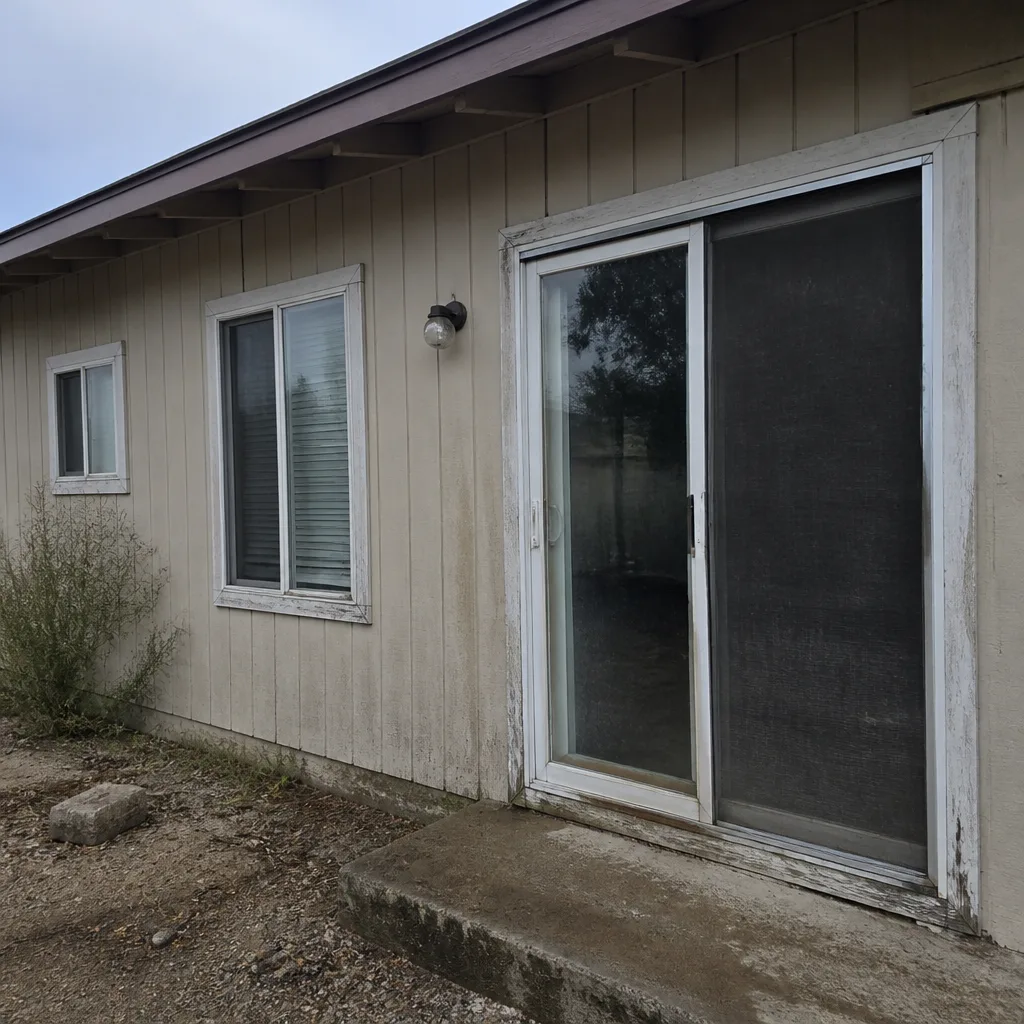
See the difference
 Before
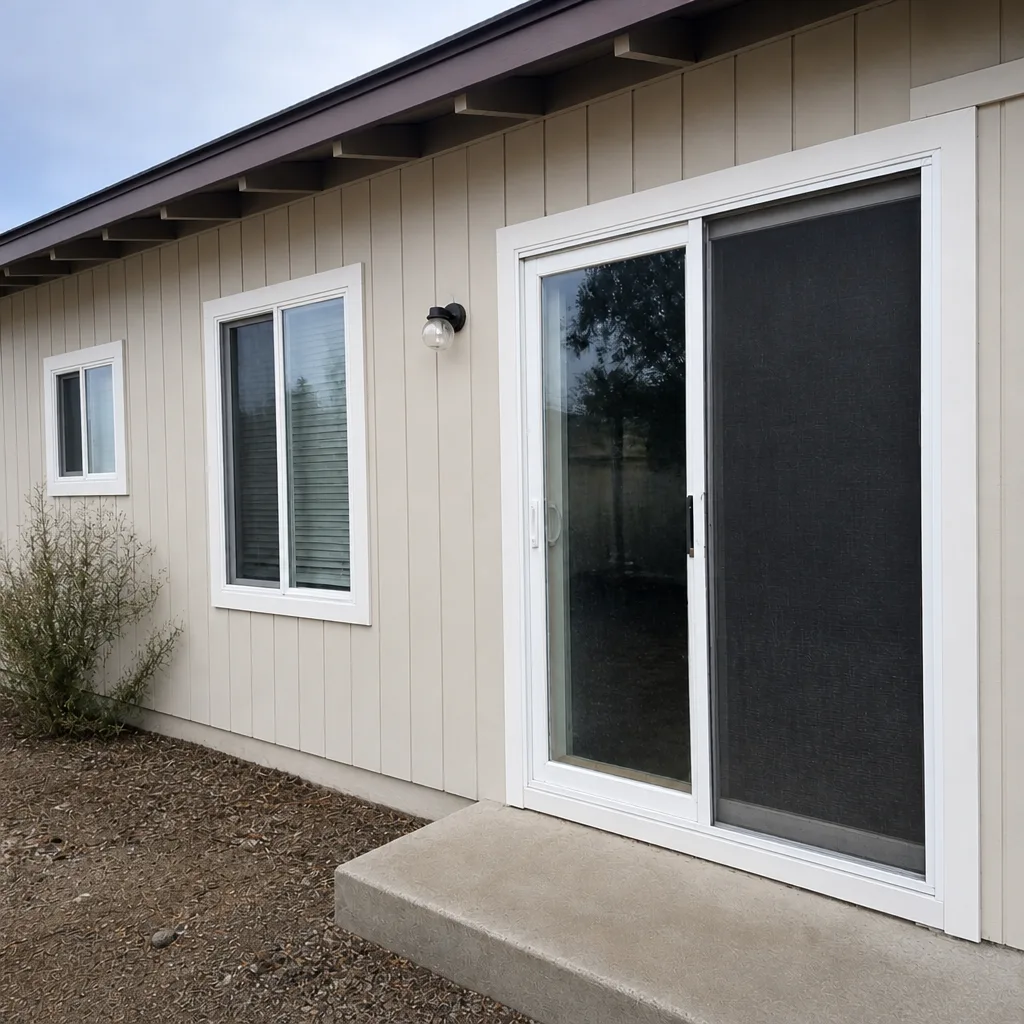 After
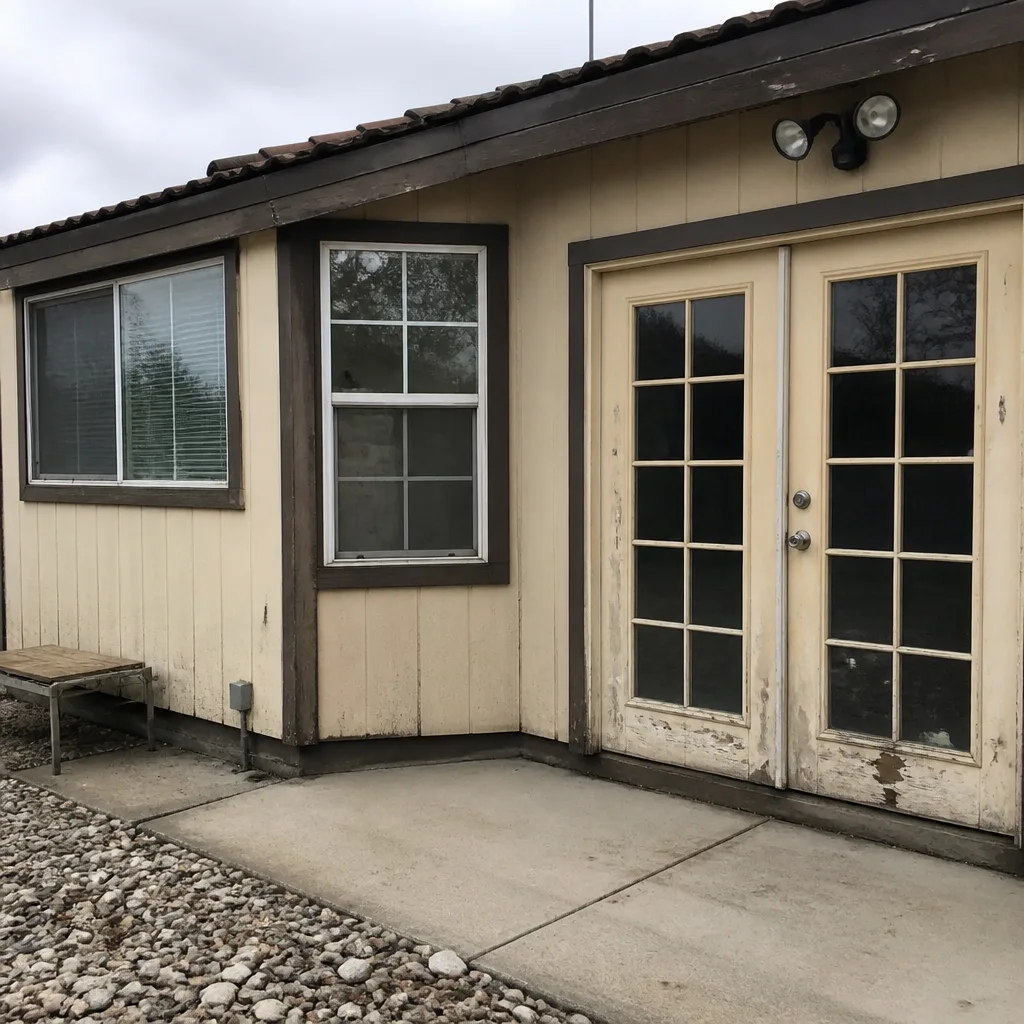 Before
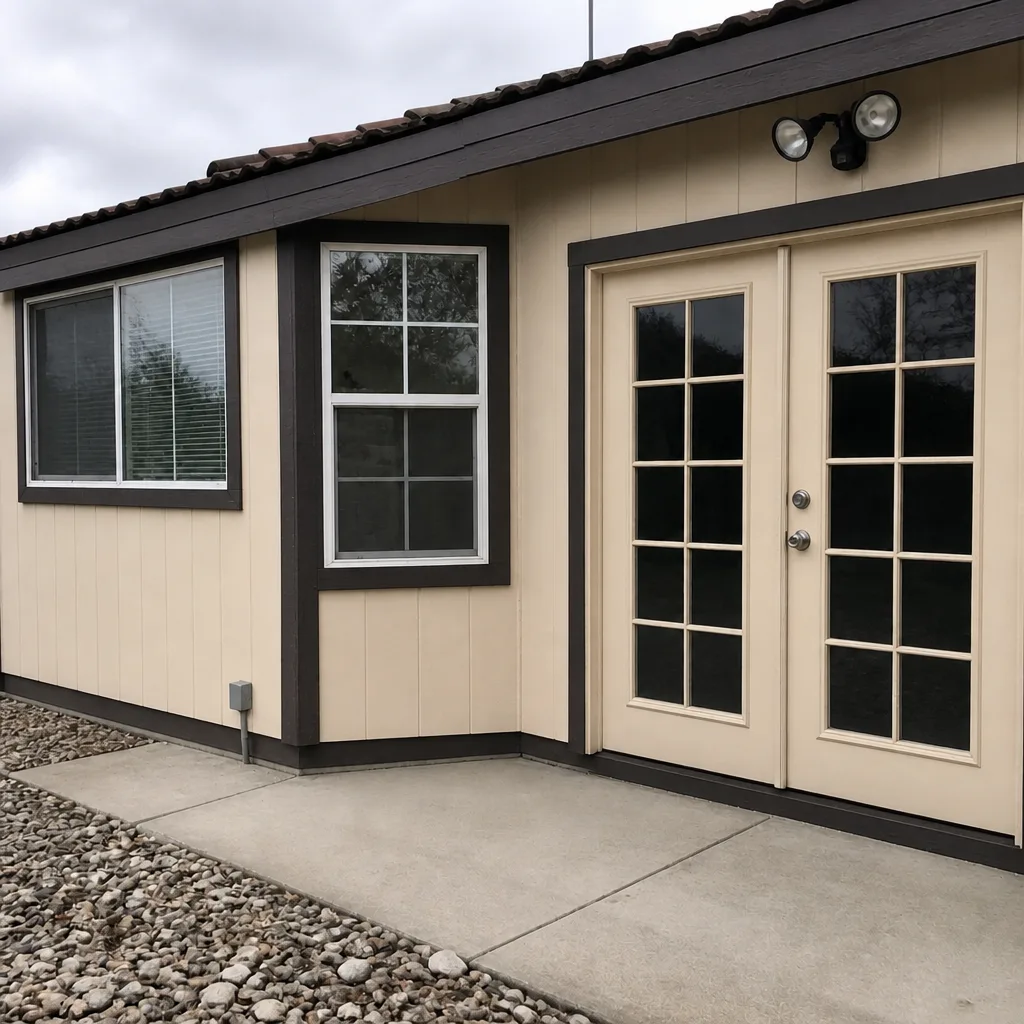 After
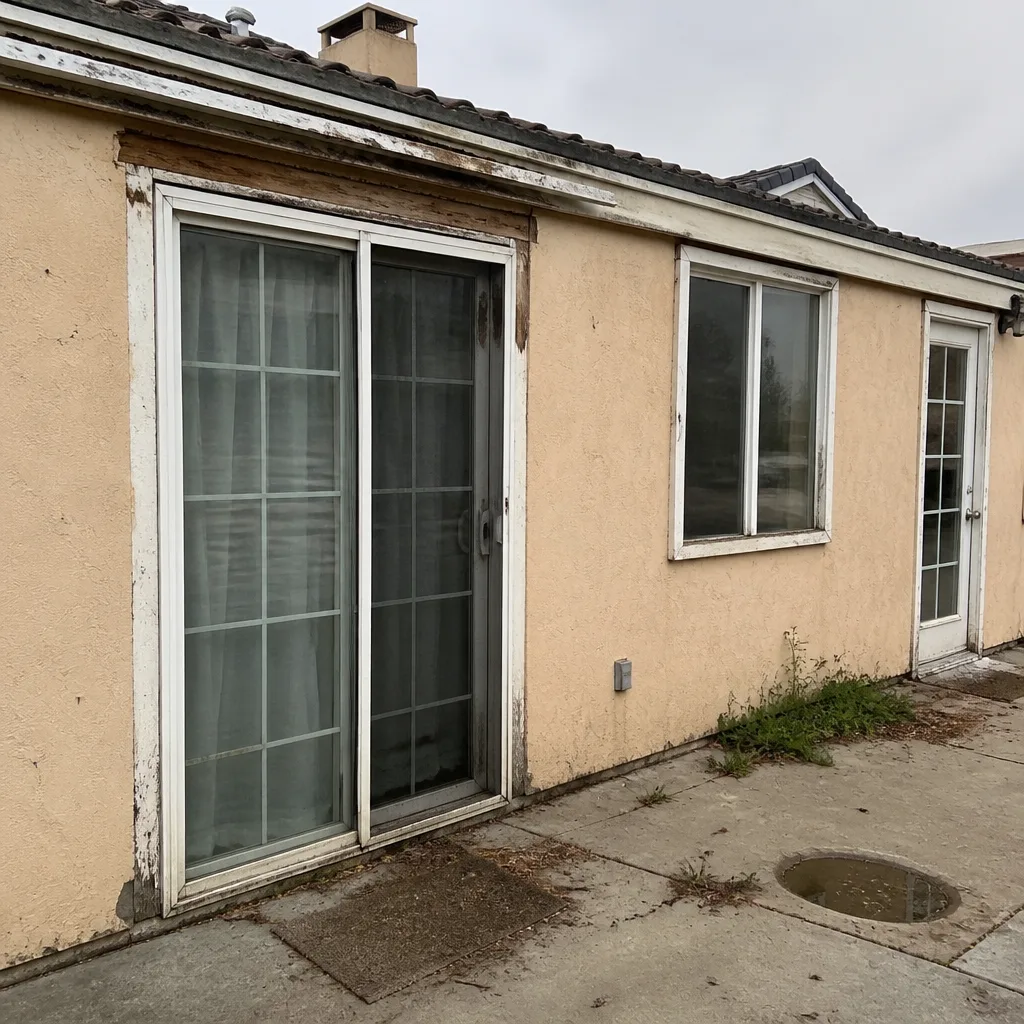 Before
 After
When to Call a Professional
You can handle routine maintenance on your own: wipe tracks, clear weep holes, run the flashlight test, check the weatherstripping, and inspect screens and caulk lines. Call a professional when the diagnosis points to structural issues or when the work involves heights and safety. Call us if a sealed unit has failed and you need it replaced; if a frame is warped, cracked, or soft (especially on wood); if water is showing up inside the wall or at the sill; if hardware won’t latch after adjustment; or if you’re seeing multiple failures across the house and need to make a replacement decision. Whitney Windows & Doors offers free estimates in Whitney – call (844) 722-8594. Windows and doors are the only trade we work in, so the person who looks at your windows has looked at thousands of them. That’s the point of working with a specialist.
Frequently Asked Questions
Twice a year is the practical minimum: once in late February or early March before the heat ramps up, and once in November before the cold snaps. The flashlight test and the dollar-bill test take about a minute per window. Add a quick pass in the weeks after monsoon season to check for water intrusion.
Yes. The flashlight test and the dollar-bill test are both do-it-yourself. Shine a bright light at a low angle against the glass after dark and look for a hazy or cloudy reflection; then close the window and try to pull a dollar bill out of the closed sash gap. Any easy slip or visible fog between panes indicates a seal problem. If you find one, a professional can advise on repair versus replacement. Call (844) 722-8594 for a free estimate.
Press it with your thumb. If it springs back, it can be cleaned and re-lubricated with a silicone-based product. If it stays flattened, is cracked, has hardened, or shows visible gaps when the window is latched, it needs replacement. Replacement weatherstripping is a small component and usually a worthwhile upgrade across a house with older windows.
Yes. Seal failure, compressed weatherstripping, and worn caulk all let conditioned air escape or outdoor heat in. Little leaks add up, especially in a valley climate with high summer temperatures. A well-maintained window keeps its insulating value; a window with a failed seal is close to single-pane performance.
Window replacement pricing in Whitney depends on the number of windows, the frame material, the glass specification (impact-rated versus standard energy-efficient), and the installation conditions. The right way to price a project is a written, line-item estimate based on your actual windows. Call (844) 722-8594 to schedule a free estimate, and we’ll walk through the options across our eight brands and let you decide. We answer 24/7; fast dispatch runs from 7am to 7pm, Sunday through Friday.
Start with the manufacturer’s warranty documentation for the glass and sealed units; many manufacturers cover sealed-unit failures for a defined period. Then call the installer. Whitney Windows & Doors stands behind the installation and can assess whether the failure is a component issue or a broader problem. Have your original job documentation ready. For a free assessment, call (844) 722-8594.
The Bottom Line
Window maintenance in Whitney isn’t about the glass. It’s about three failure points – sealant shrinkage, weatherstrip compression, and screen and track degradation – caught on the right timing: pre-summer, post-monsoon, and pre-winter. Test for seal failure yourself with a flashlight and a dollar bill. Clean and lubricate weatherstripping until it stops springing back, then replace it. Clear weep holes after every storm. Match your frame maintenance to the material and the wall exposure. And when the diagnosis points to a component failure or a structural issue, get a professional assessment before the next cooling season starts. A well-maintained window at year 10 still performs; a neglected one is fogged and leaking heat by then. The difference is a checklist, applied twice a year.
If you’d like a second set of eyes on your windows, or you’re weighing repair against replacement, Whitney Windows & Doors can help. We’re a specialist in window replacement, window installation, and door installation for Whitney homeowners, and we’d be glad to walk you through what we find. Call (844) 722-8594 for a free estimate.
Written by the team at Whitney Windows & Doors.