Last updated November 18, 2026
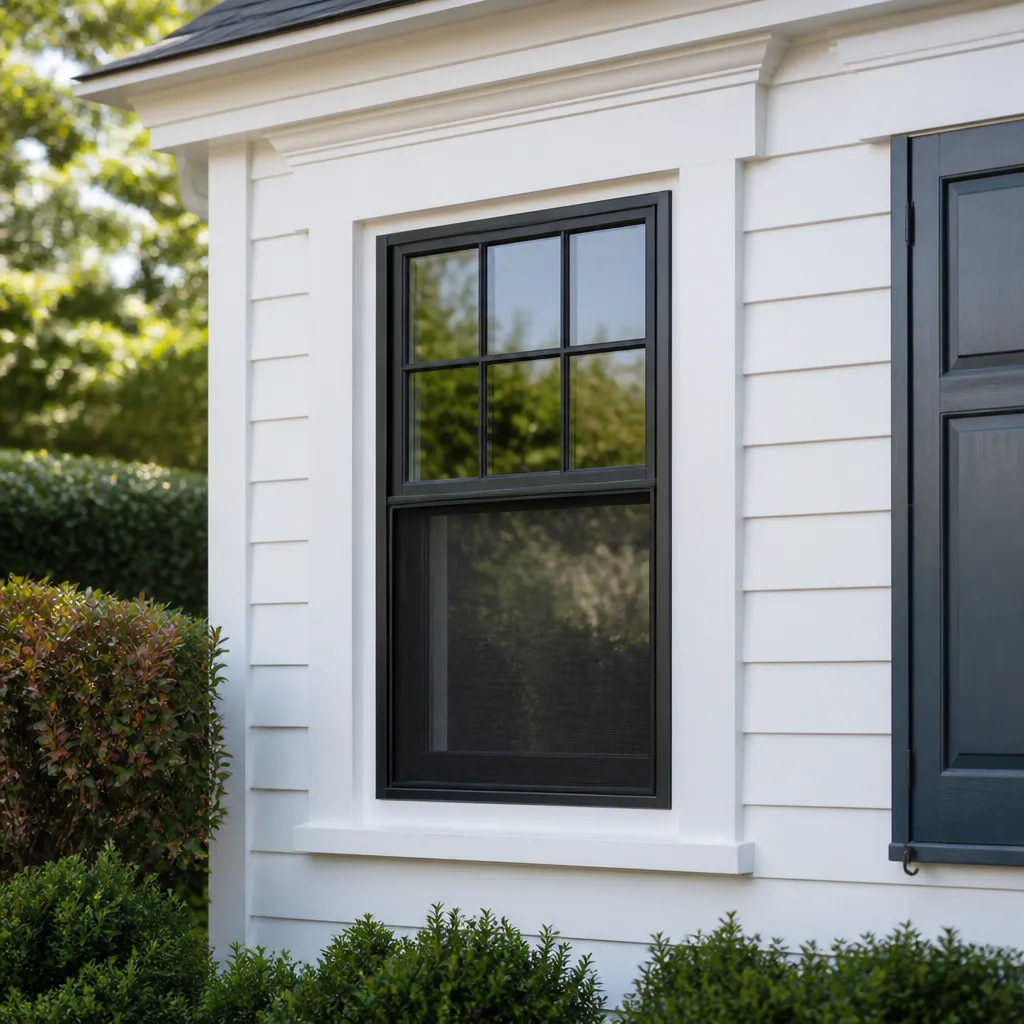 Single hung
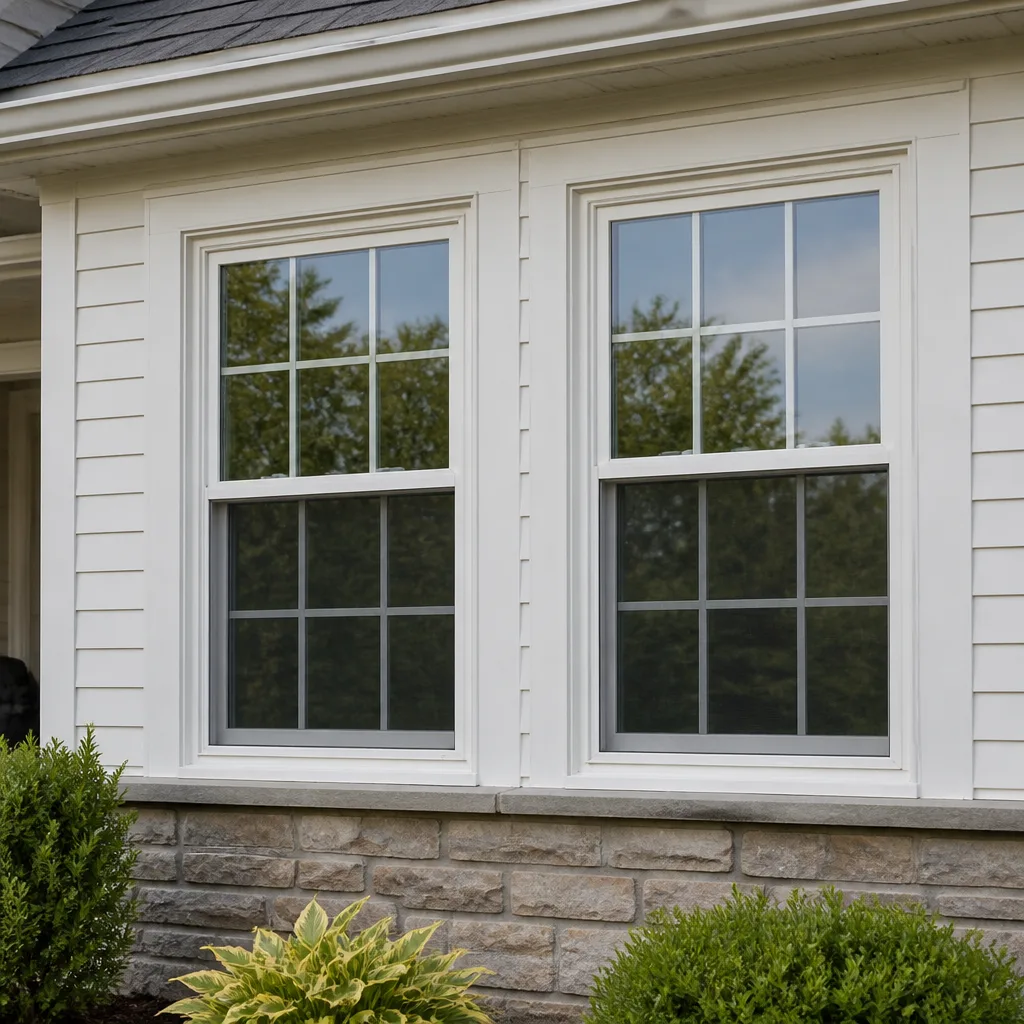 Double hung
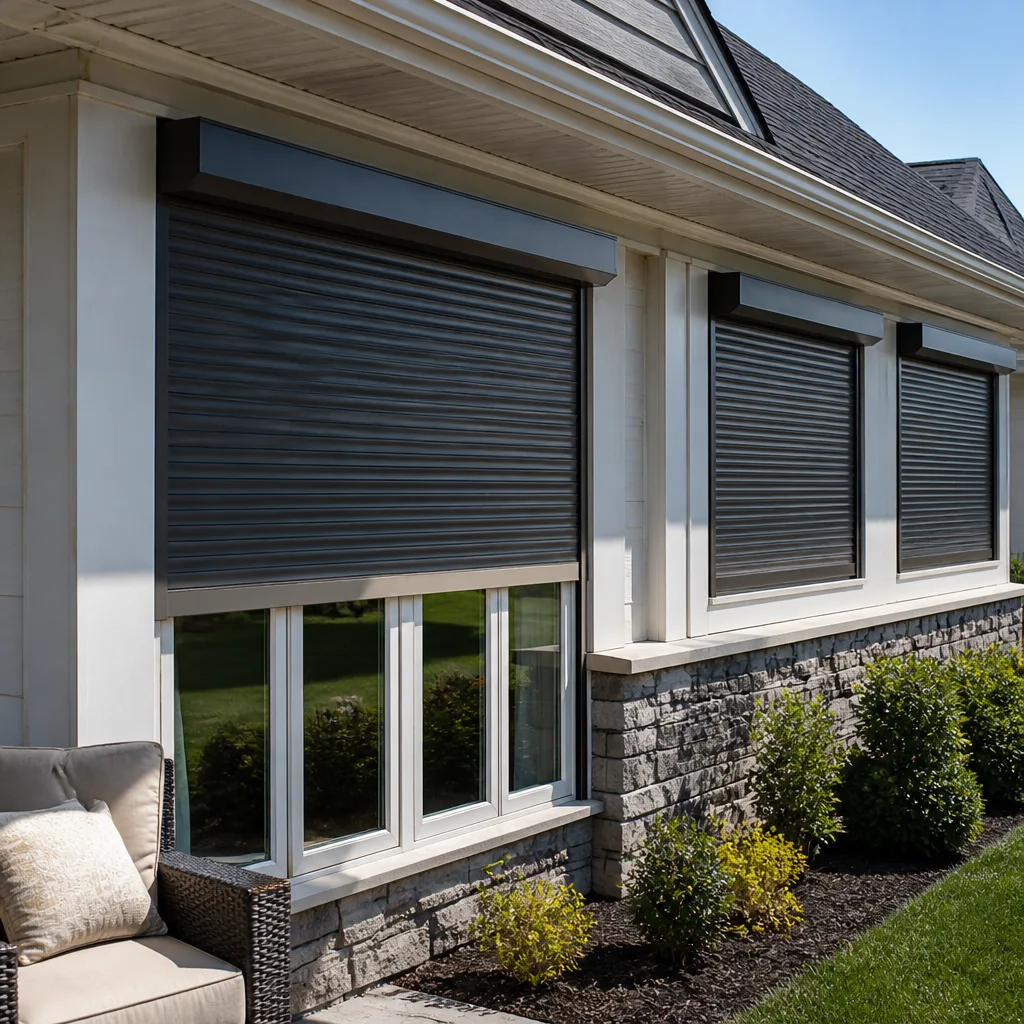 Horizontal roller
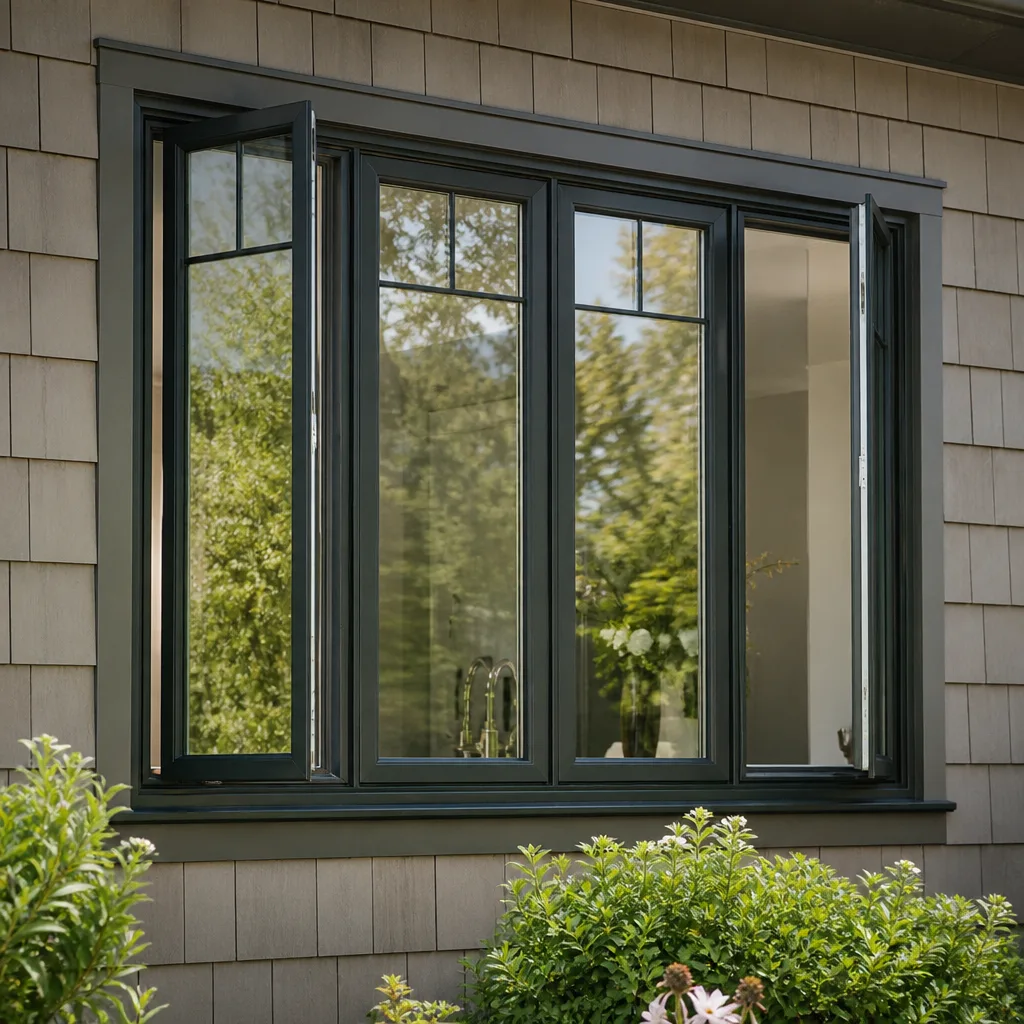 Casement
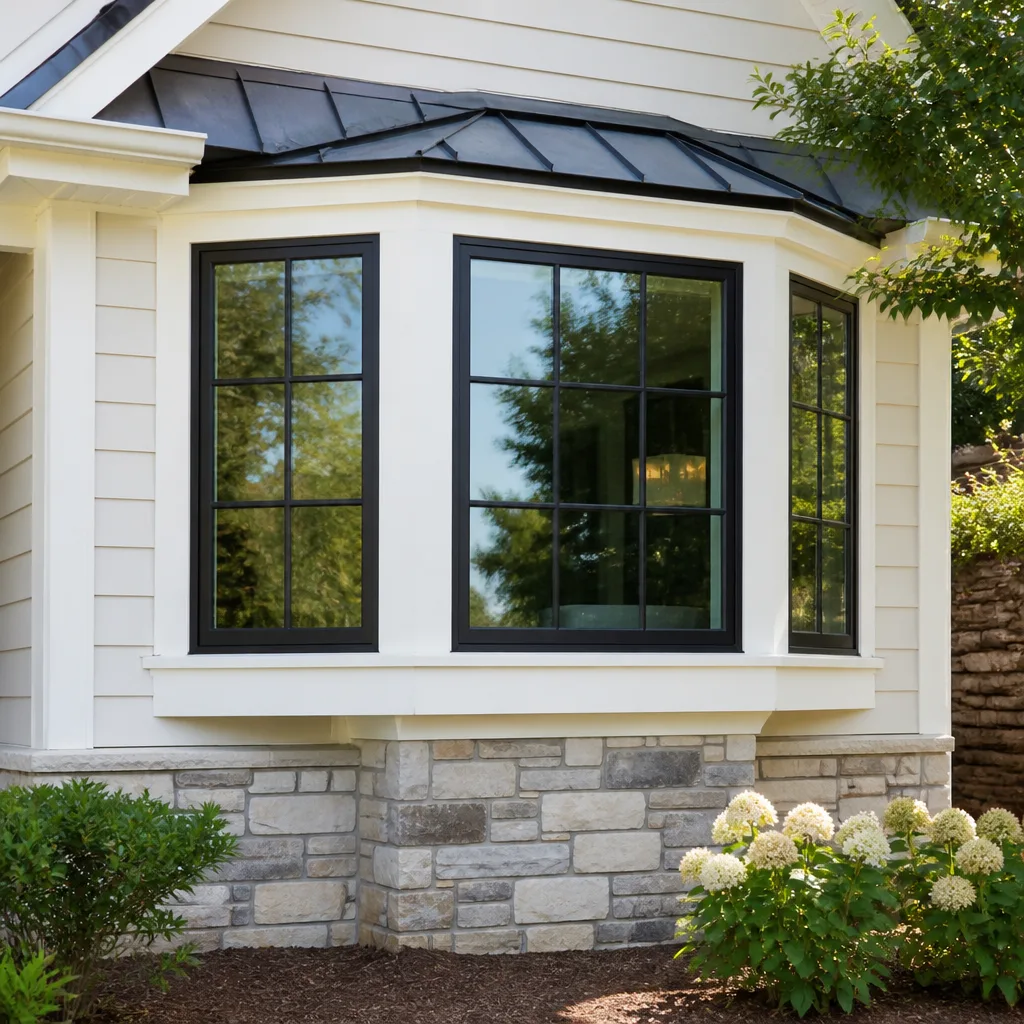 Bay & bow
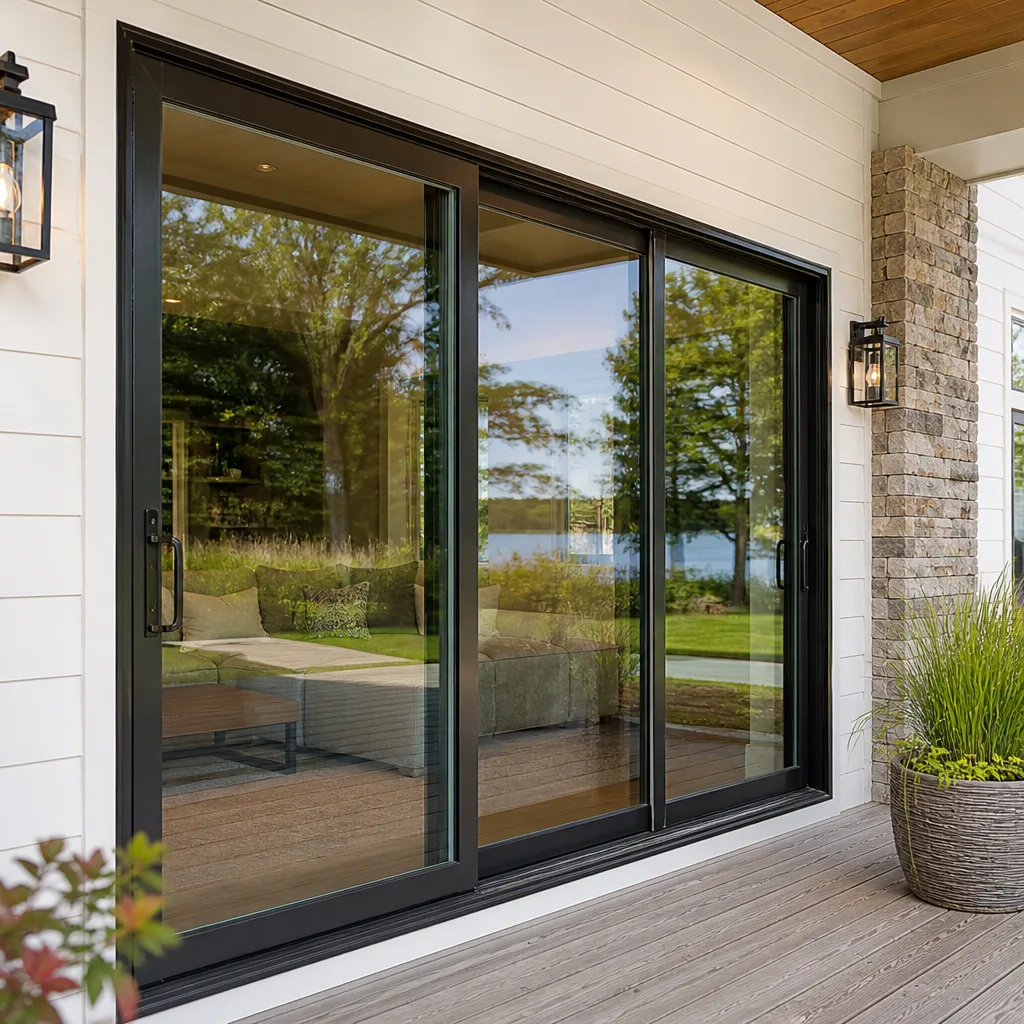 Sliding glass doors
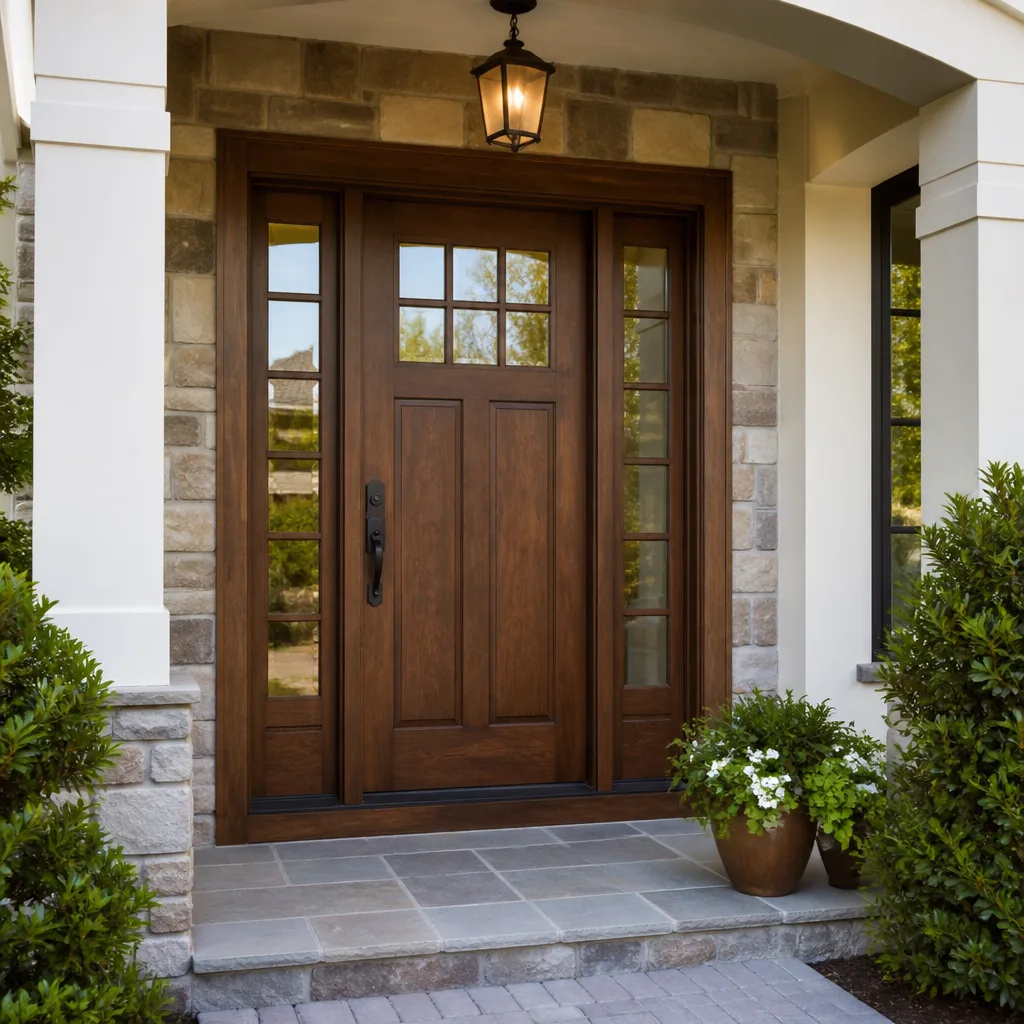 Entry doors
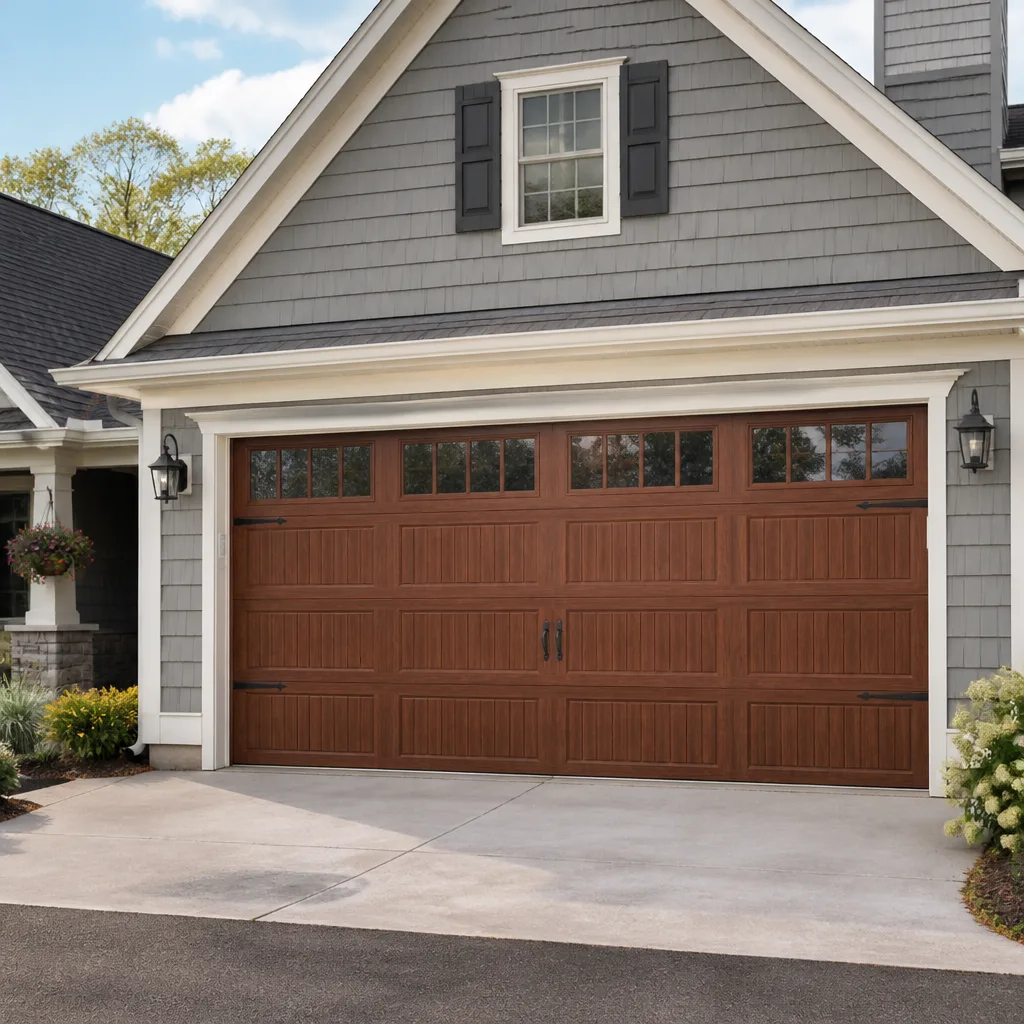 Impact garage doors
 PGT
 CGI
Free in-home measure and quote - PGT, CGI and CWS impact lines compared on your actual openings, style by style
Get your free estimateWindow Replacement Troubleshooting in Whitney: Common Problems and How to Fix Them
A foggy window between the panes looks like a failed seal, and it usually is. But the same fog pattern on a single-pane window means something completely different, and fixing it the wrong way wastes money both times. That’s the trap with window problems: the symptom you see rarely tells you which repair you actually need. Misread it and you either overspend on full window replacement or slap a band-aid on a problem that keeps coming back every season. In this guide, the Whitney Windows & Doors team walks through a symptom-by-symptom troubleshooting path so you can diagnose accurately before you commit to anything.
Quick Answer
Most window problems in Whitney fall into one of four buckets: seal failure, drainage or flashing leaks, hardware and balance issues, or simple weatherstripping wear. Fog between panes means a broken seal and usually a glass or sash replacement. Water on the interior surface with no frame damage is a humidity problem, not a window failure. Drafts and sticking sashes are often fixed with hardware adjustment and weatherstripping at a fraction of replacement cost. Knowing which bucket you’re in is the whole game.
Styles & brands we work with
- Single hung
- Double hung
- Horizontal roller
- Casement
- Bay & bow
- Sliding glass doors
- Entry doors
- Impact garage doors
- PGT
- CGI
Table of Contents
- Condensation Between Panes vs. Interior vs. Exterior: What Each One Really Means
- Drafty Windows: Weatherstripping, Hardware, or Replacement?
- Why Windows Stick in Whitney’s Dry Summers
- Water Infiltration at the Frame vs. at the Glass
- When a Repair Extends Window Life vs. When It Delays the Inevitable
- The Tests to Run Before You Call Anyone
- How Product Choice Affects How Often You Troubleshoot
Condensation Between Panes vs. Interior vs. Exterior: What Each One Really Means
The location of the condensation is the single most diagnostic piece of information you have. Three locations, three completely different answers.
Between the panes
Fog, haze, or water droplets trapped inside the sealed unit mean the perimeter seal has failed and the insulating gas has escaped. This is a genuine window problem. The glass unit itself needs replacing, or the sash if the frame is older. In our experience, this is the one condensation type that almost never fixes itself and gets progressively worse. It’s also a failure that’s independent of your climate control, so turning down the humidity won’t help.
On the interior surface
Water beading or fogging on the inside of the glass faces the room, not the gap. That’s a humidity and air-movement issue inside the house, not a window failure. It happens when warm, moist indoor air meets a cold pane. Better-performing windows actually show more of this because their interior pane stays cooler than a drafty old single pane that leaks warm air outward. Reducing indoor humidity, running a fan, or opening interior blinds helps. This pattern alone is never a reason to replace a window.
On the exterior surface
Fog on the outside face of the glass is usually the outermost pane doing its job. It’s colder than the outside air and traps moisture briefly at dawn. It clears as the sun hits it. This is normal for modern double- and triple-pane units and requires zero action.
- Between panes: seal failure, replace the glass unit or sash
- Interior surface: indoor humidity, adjust ventilation and blinds
- Exterior surface: normal, no action needed
If you’re seeing fog between panes on multiple windows, that’s a sign the units were manufactured in the same batch and may all be approaching the end of their seal life. It’s worth having a specialist evaluate them together rather than one at a time.
Drafty Windows: Weatherstripping, Hardware, or Replacement?
Not every draft means your window is failing. Before you assume the worst, run a quick three-step test to find out where the air is actually coming from.
- The candle or smoke test. On a breezy day, hold a lit candle or a wisp of tissue near the sash perimeter, then near the lock and hinge points. A flicker along the perimeter means worn weatherstripping. A flicker around the lock or hinge means hardware or a gasket issue.
- The feel test around the frame. Run your hand along the interior casing where the window meets the wall. If you feel cold air at the trim instead of the sash, your air sealing around the rough opening may have failed. That’s a caulk and foam job, not a window replacement.
- The sash alignment check. Open the window slightly and see if the gap between sash and frame is even all the way around. An uneven gap means the sash is out of square or the balance is failing, and a technician can often true it up without replacing anything.
A specific local note: many Whitney homes have aluminum-frame windows installed during earlier building phases, and aluminum is unforgiving about thermal movement. That means drafts and gaps can open up seasonally and then close on their own. If your draft only shows up in winter and disappears by summer, weatherstripping and a fresh bead of exterior sealant solve most of it. We’ve walked homeowners through that exact check on windows across the Whitney area.
Only when air moves through the glass itself, or when a fully gasketed and adjusted window still leaks noticeably, does replacement become the honest answer. Otherwise, weatherstripping and hardware adjustment run a small fraction of the cost of a new unit and often buy several more good years.
Why Windows Stick in Whitney’s Dry Summers
Windows that bind, stick, or require two hands in a Whitney summer are almost always a hardware, balance, or track issue – not a warped frame. Dry desert air shrinks wood sashes and swells them back the other way in winter, and vinyl tracks expand and contract with temperature swings that push triple digits. The result is binding that comes and goes with the season, which homeowners read as structural failure.
Here’s how to confirm which it is before you call anyone:
- Check whether the bind is seasonal. If the same window slides easily in cooler months and sticks in August, the frame hasn’t warped. It’s moving with temperature, and a track or balance adjustment often solves it.
- Look for debris in the track. Dust, grit, dried caulk, or a stray paint bead along the sill ledge will bind a sliding sash. A soft brush and a vacuum usually restore movement in minutes.
- Test the balance. On a single- or double-hung window, lift the sash halfway and let go. If it drops or drifts down, the balance has failed or is losing tension. That’s a hardware repair, not a frame replacement.
- Check the lock and keeper alignment. If the window closes but the lock misses the keeper, the sash is riding slightly out of position. A technician can realign the sash and hardware to restore a clean lock.
What actually signals a frame problem: visible diagonal cracks in the frame corners, a gap you can see daylight through that stays constant all year, or a sash that bows away from the jamb with a straightedge laid against it. Anything less than that is usually a hardware and balance conversation. On a sliding patio door or large slider, balance and roller wear are the most common culprits, and they’re straightforward to repair.
Water Infiltration at the Frame vs. at the Glass
Water coming in at the glass and water coming in at the frame are two different failures with completely different remedies. Mixing them up is the number one reason homeowners get repeat leaks after a repair.
Water at the glass
If water appears along the interior edge of the glass or between the sash and the glass stop, the issue is likely a failed glazing seal, a bad sash gasket, or a broken glass seal. The fix is a gasket or glass unit replacement. This type of leak shows up quickly after rain and often coincides with visible fog or streaking in one spot.
Water at the frame
If water appears on the interior wall or the casing around the window, or stains the drywall at a corner, the leak is likely at the exterior joint between the window and the wall, at the flashing, or in the rough opening’s weather seal. That’s a frame and exterior detailing repair, and it’s independent of whether the window unit itself is still sealing. This is also the leak type that quietly rots framing if left too long. Whitney’s dry climate makes it easy to ignore these because they show up less often than they would in a wetter region – and that’s exactly why they surprise homeowners when the rare rainstorm hits.
- Water at the glass: failed glazing gasket or glass unit seal – replace the gasket or unit
- Water at the sash frame: worn sash weatherstripping or seal – replace the sash seal
- Water at or behind the interior casing: exterior flashing or rough-opening seal failure – repair the exterior joint
- Water pooling on the interior sill: blocked weep holes or drain channels – clear them
Before you assume a leak, run the hose test on a dry day: aim water at the base of the window from outside for a minute and watch for the first sign of moisture inside. Where it shows up first tells you which failure you have. If you’re not comfortable interpreting the result, a free estimate from a specialist will settle it quickly.
When a Repair Extends Window Life vs. When It Delays the Inevitable
The hardest call in window troubleshooting is knowing whether a repair genuinely extends the life of your window or just delays a replacement you’re going to pay for anyway. Here’s the practical line we walk homeowners through.
Repairs that genuinely extend life by 5 – 10 years
- Failed balance or spring – replace the balance and the window functions like new
- Worn weatherstripping and gaskets – inexpensive, restores draft control
- Hardware adjustment or replacement (locks, handles, operators, rollers)
- Glass unit replacement on a structurally sound frame – keeps the same frame and restores the seal
- Weep hole cleaning and exterior caulk refresh – cheap insurance against frame rot
In our experience, these repairs typically cost a small fraction of a full replacement and add real years to a window’s useful life. If the frame is sound and the sash is sound, restoring the moving parts is genuinely worth it.
Repairs that are band-aids
- Patching a soft or rotted wood sill without replacing the rot
- Repeatedly recaulking over a wet frame that never fully dries
- Refogging the glass on a unit whose seal has failed more than once
- Adjusting a frame that’s already out of square to compensate for foundation movement
- Replacing the glass unit on a frame that’s already cracked or warped
Every one of these will come back. When the frame is warped, the wall itself has issues, or the same glass unit has failed a second time, a repair is delaying a replacement rather than avoiding one. That’s the honest conversation to have. A specialist can usually tell you within a short inspection which category you’re in, and a free estimate gives you the specific number for both routes so you can compare fairly.
The Tests to Run Before You Call Anyone
These are the seven checks we’d run ourselves before scheduling any window callout. They take under an hour and give you a real diagnosis rather than a guess.
- The condensation location check. Note whether moisture is between panes, on the interior surface, or on the exterior surface. Write it down. It’s the single biggest clue.
- The candle or smoke draft test. Run a lit candle around the sash perimeter and hardware. Note where the flame flickers.
- The sash alignment check. Open the sash slightly and look at the gap all the way around. Even gap equals a hardware fix. Uneven gap means the sash is out of square.
- The balance test. Lift a hung sash halfway and let go. If it drops, the balance has failed.
- The hose test for leaks. From outside on a dry day, mist the base and perimeter of the window for a minute. Note exactly where interior moisture first appears.
- The straightedge check. Lay a straightedge against the frame and sash. Any bow greater than a small fraction of an inch, or any corner crack, points toward frame replacement.
- The seasonal history note. Write down whether the problem is constant or seasonal. Seasonal problems are usually hardware and seal. Year-round problems are usually structure.
Bring those notes to the estimate appointment. If you’re weighing repair against replacement on a larger project, our guide to window replacement covers what a full project involves, and the Whitney Windows & Doors team can walk through the tradeoffs. For a brand-new build or a fresh opening, the window installation process is a different scope again and worth reading separately.
How Product Choice Affects How Often You Troubleshoot
A meaningful share of the problems in this guide trace back to which product was chosen and how well it was matched to its opening. That’s the one part of troubleshooting where the fix isn’t a repair at all: it’s picking the right unit the next time.
Frames move. Glass units fail. Hardware wears. The question is how quickly those happen in a Whitney opening exposed to dry summer heat and cold winter nights. A frame and hardware system rated for the local temperature swing will hold its geometry far longer than a marginal one. Sealed units with a well-made perimeter seal last longer before they fog. That’s why the product tier matters more in a troubleshooting context than a sales context.
This is where our portolio breadth does work for homeowners. Because Whitney Windows & Doors carries PGT, CGI, and CWS alongside impact-rated lines from ES Windows and ECO Window Systems, we can match the frame, hardware, and glass spec to the actual exposure of the opening rather than recommending whatever one supplier is pushing. For architectural projects where a specific sightline or glazing pattern matters, ViewLux fills that role. The right window for your home isn’t the one we happen to stock – it’s the one whose frame and hardware will hold up on your wall for the life of the unit.
One thing we’re clear about: Whitney specializes in windows and doors only. We don’t replace siding, roofing, or trim, and we’ll tell you when a leak points to a problem outside our trade. Eight trusted brands, one installation team, and no overreach.
Common Mistakes to Avoid
- Replacing windows over interior condensation. Interior surface moisture almost always points to indoor humidity, not a failed unit. Replacing the window won’t change the humidity, and the condensation usually returns.
- Repeatedly caulking over a wet frame. If the frame has moisture trapped behind it, caulk seals it in. Fix the water source first, then caulk.
- Assuming sticking windows mean a warped frame. In Whitney’s dry summer heat, most sticking is balance, track, or hardware. Diagnose before you replace.
- Confusing a glass leak with a frame leak. Fixing the wrong entry point is how repeat leaks happen. Run the hose test and identify the actual entry point.
- Replacing a glass unit on a failing frame. Once the frame is bowed, cracked, or out of square, a new glass unit is money into a sinking ship.
- Ignoring weep holes and drain channels. Blocked drains cause interior sill pooling that gets mistaken for a leak. Cleaning them is a two-minute job.
- Making a replacement decision based on the first repair quote. A single repair quote doesn’t compare to a full replacement estimate. Get the line-item cost for both routes before you commit.
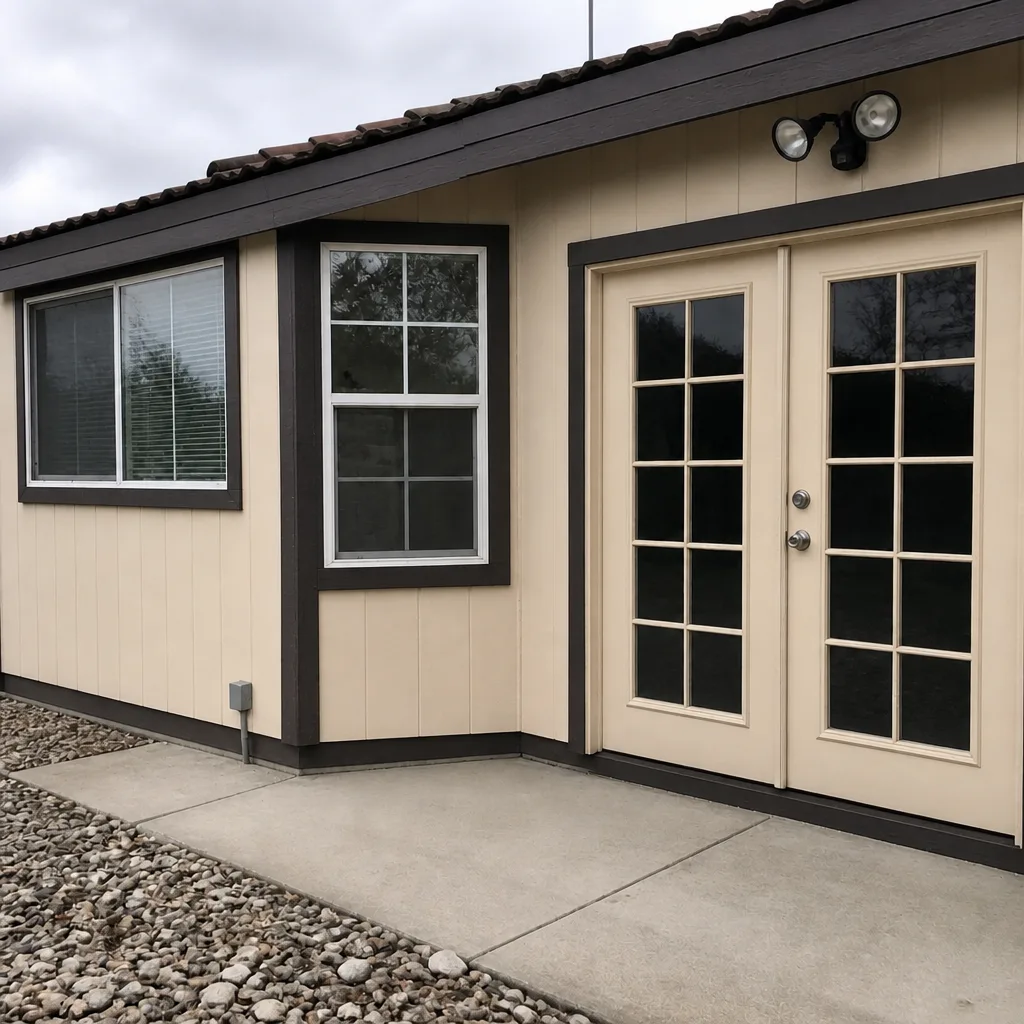
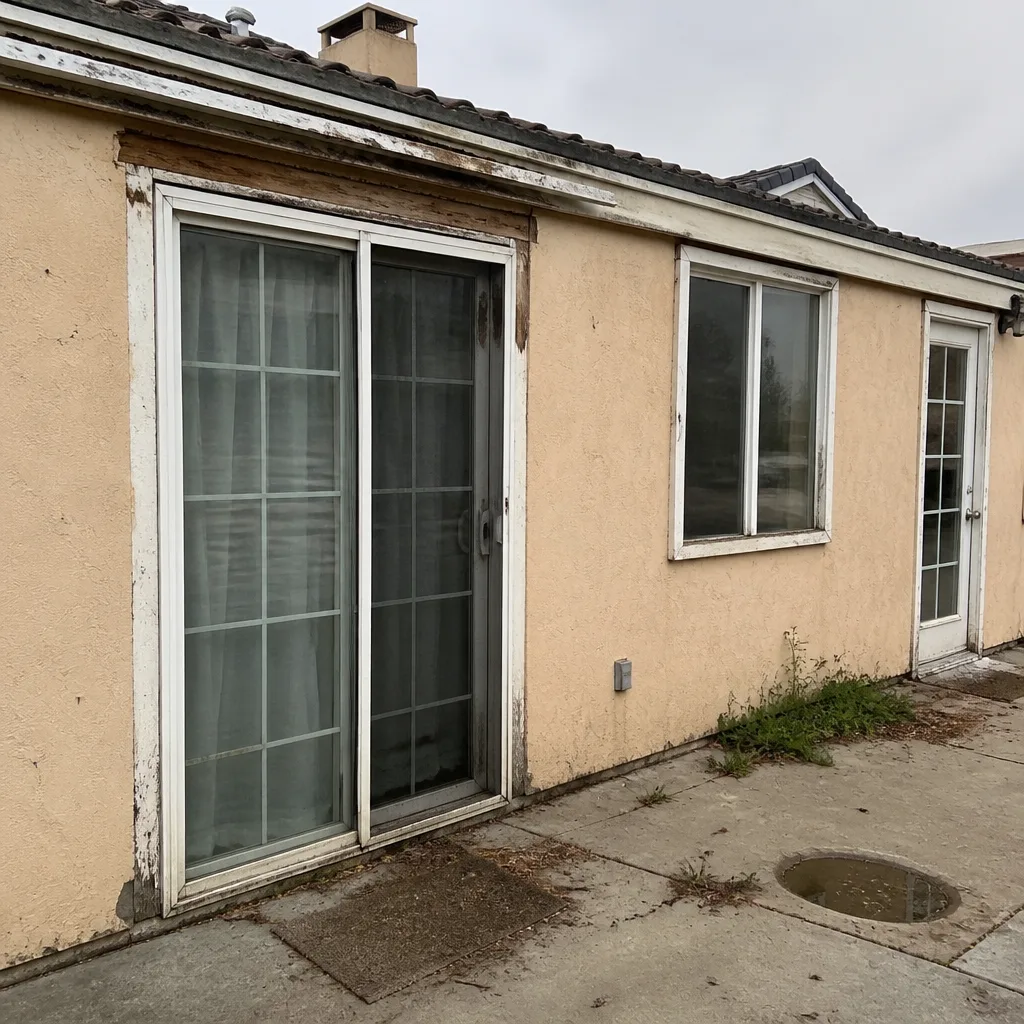
See the difference
 Before
 After
 Before
 After
 Before
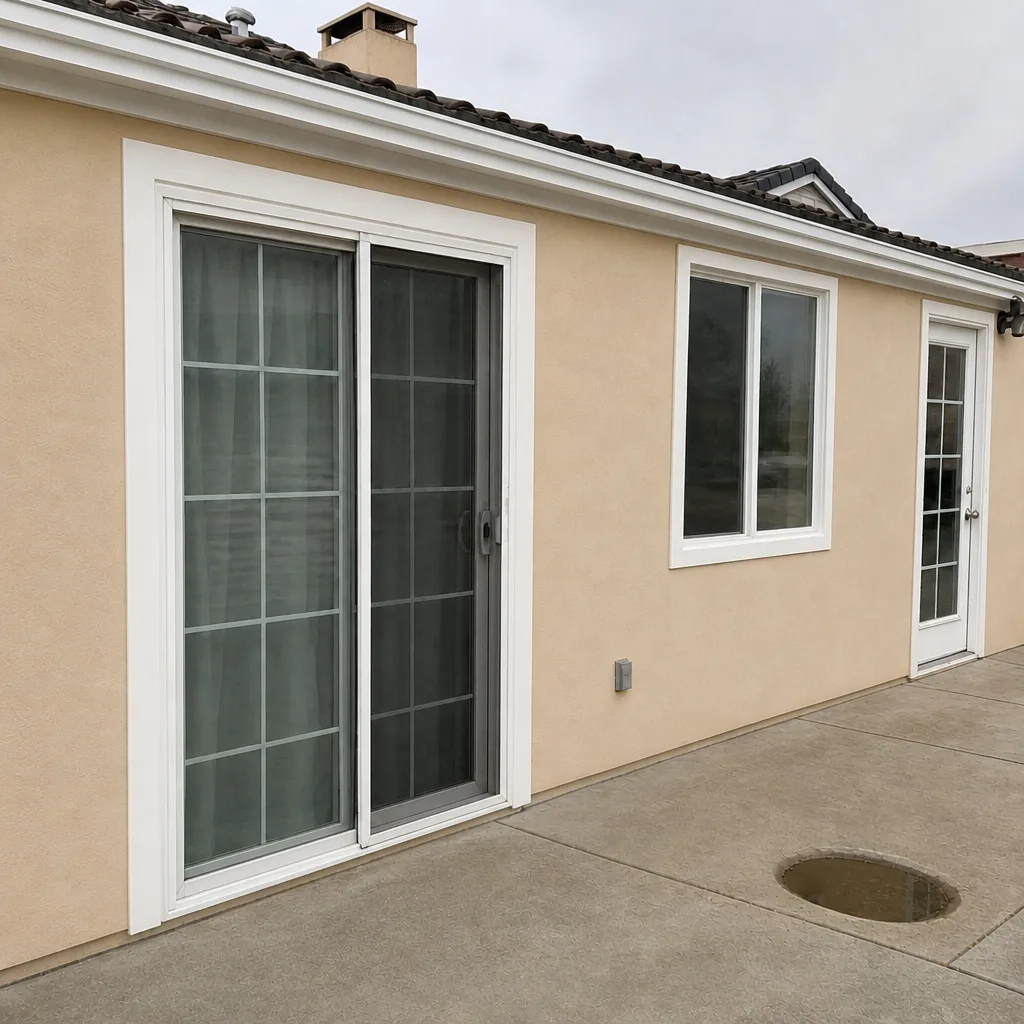 After
When to Call a Professional
Call a specialist when any of these are true: fog or water is trapped between the panes on more than one window; water is showing up on the interior wall or casing after rain; a window won’t lock or close fully; the balance has failed and the sash won’t hold position; you see diagonal cracks at the frame corners; or a previous repair has come back within a season. Those are all signals that the symptom needs a real diagnosis, not another round of caulk. Also call if you’re not sure which bucket your problem falls into – an accurate diagnosis is worth a short visit, and it stops you from spending on the wrong fix. Whitney Windows & Doors offers free estimates in Whitney – call (844) 722-8594. We answer 24/7. Fast dispatch from 7am to 7pm, Sunday through Friday.
Frequently Asked Questions
Fog between the panes means the sealed glass unit has lost its perimeter seal, and the fix is usually a glass unit or sash replacement rather than anything you can adjust from outside. The window’s frame and hardware are often still fine. That’s a diagnosis worth confirming in person, and a free estimate from Whitney Windows & Doors will tell you whether the sash or the whole unit needs replacing – call (844) 722-8594.
No. Condensation on the interior glass surface is almost always an indoor humidity issue, not a window failure. Running a bath fan, opening interior blinds, and improving air circulation usually clears it. If it persists and you also see fog between the panes, then you have a genuine seal problem too. Call (844) 722-8594 for a free estimate to sort out which one you have.
Sticking that comes and goes with the season is usually a hardware, track, or balance issue, not a frame warp. Dry summer heat expands and contracts vinyl and wood at different rates, and a marginal balance or a dirty track binds first. Try a soft brush and vacuum on the track first. If it still binds, a hardware adjustment is a low-cost fix. Call (844) 722-8594 for a free estimate.
Water that shows up along the glass edge or between sash and glass stop is a glass or gasket leak. Water on the interior casing or drywall is a frame, flashing, or rough-opening leak. The hose test on a dry day tells you exactly which it is in about a minute. Whitney Windows & Doors can run that test and give you a written estimate – pricing is set per job by the written estimate, and estimates are free. Call (844) 722-8594.
Some repairs genuinely add 5 – 10 years to a window’s life: balance replacement, weatherstripping, hardware adjustment, glass unit replacement on a sound frame, and caulk and weep hole maintenance. Others are band-aids: recaulking over wet wood, refogging a unit that’s failed twice, or replacing glass on a warped frame. A specialist can tell you which category your window falls into. Call (844) 722-8594 for a free estimate.
Whitney Windows & Doors focuses on window replacement, window installation, and door installation. We don’t do general handyman repairs or other trades. If the diagnosis points to a replacement, we can carry the full project and match the right product from eight brands including PGT, CGI, CWS, ViewLux, and Therma-Tru. Call (844) 722-8594 for a free estimate. We answer 24/7. Fast dispatch from 7am to 7pm, Sunday through Friday.
The Bottom Line
Most window problems fall into one of four categories: seal failure, water infiltration, hardware and balance, or simple humidity and weatherstripping wear. Getting the category right is the entire diagnosis. Fog between panes means a glass or sash fix. Interior condensation means indoor humidity. Seasonal sticking means hardware and balance. Water at the casing means a frame or flashing repair. Only a failing frame, repeat glass failures, or rot sitting behind a failed seal pushes you toward replacement. Run the seven tests in this guide before you call anyone, and you’ll walk into the estimate conversation knowing what you’re actually asking to fix. Then call (844) 722-8594 for a free estimate from Whitney Windows & Doors, the specialist team with a portfolio to match any diagnosis.
Written by the team at Whitney Windows & Doors.