Last updated November 18, 2026
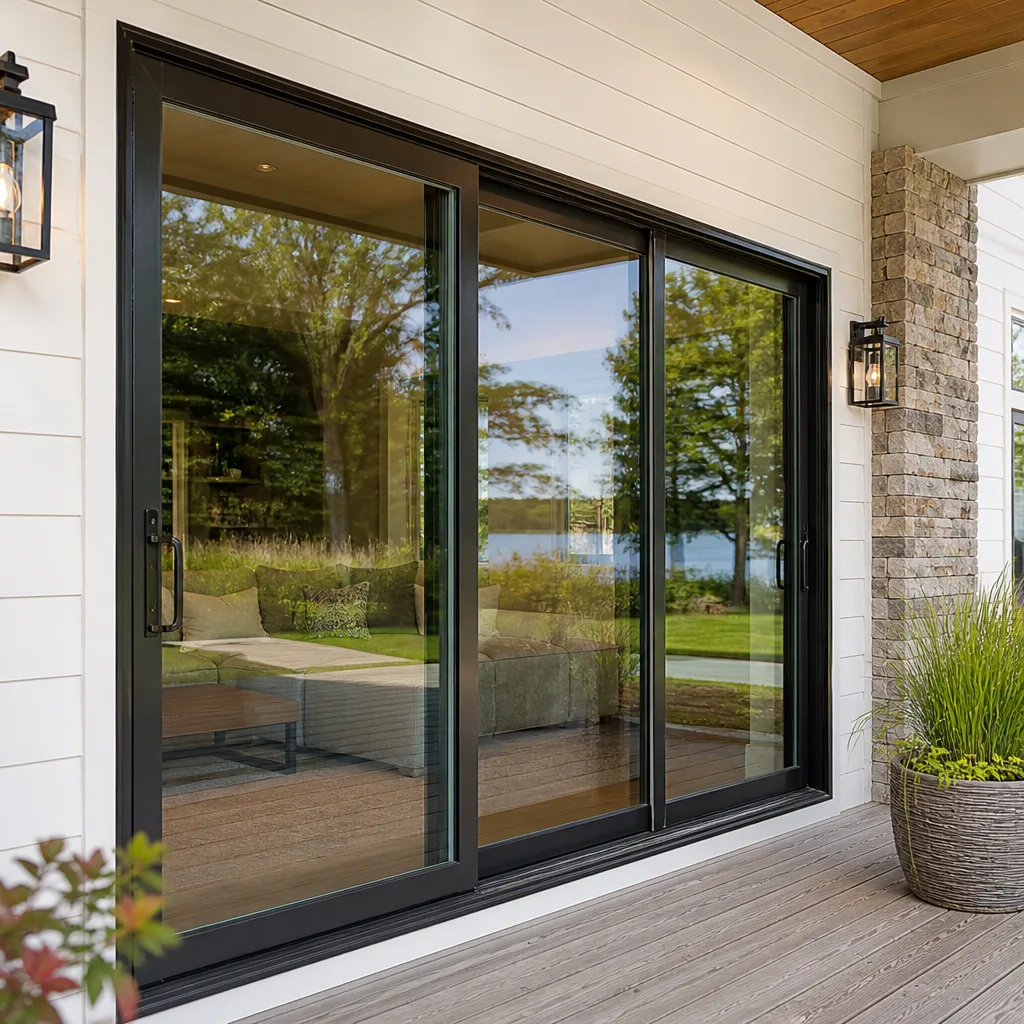 Sliding glass doors
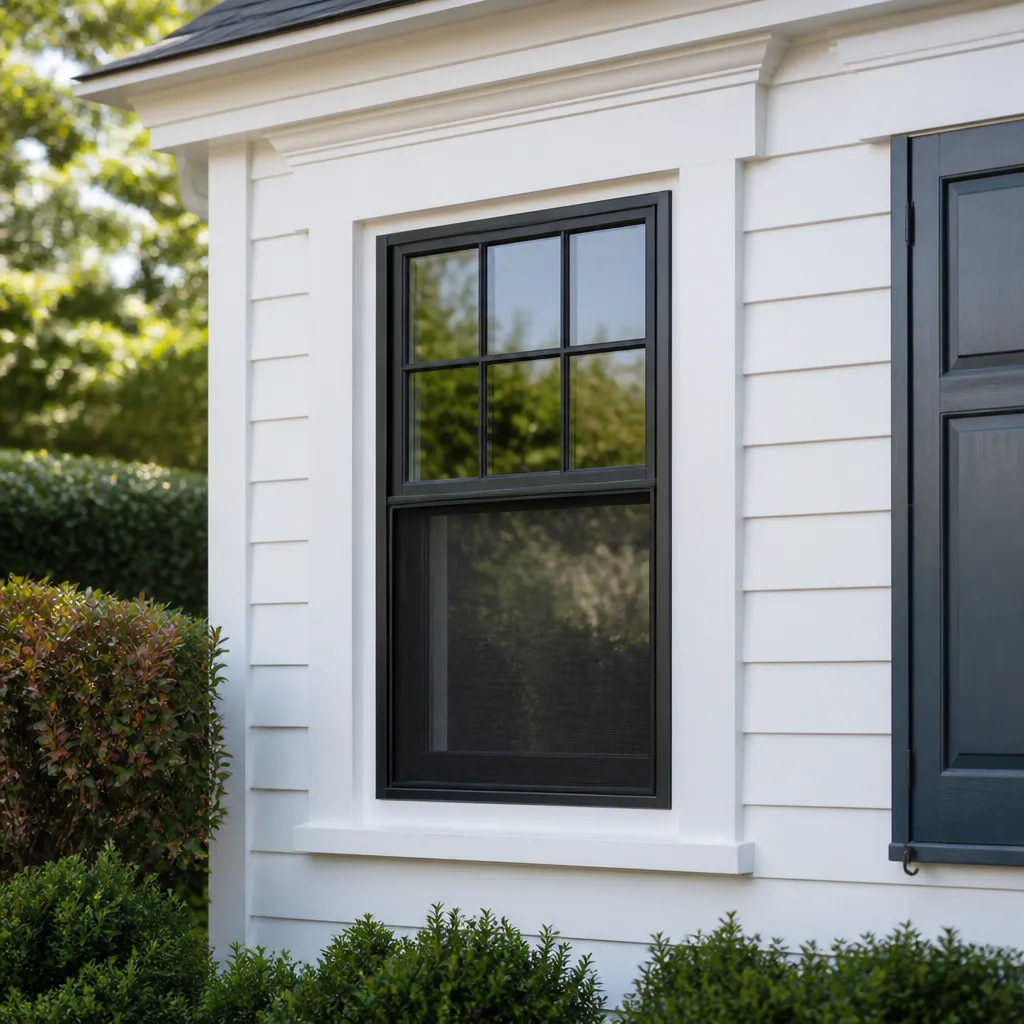 Single hung
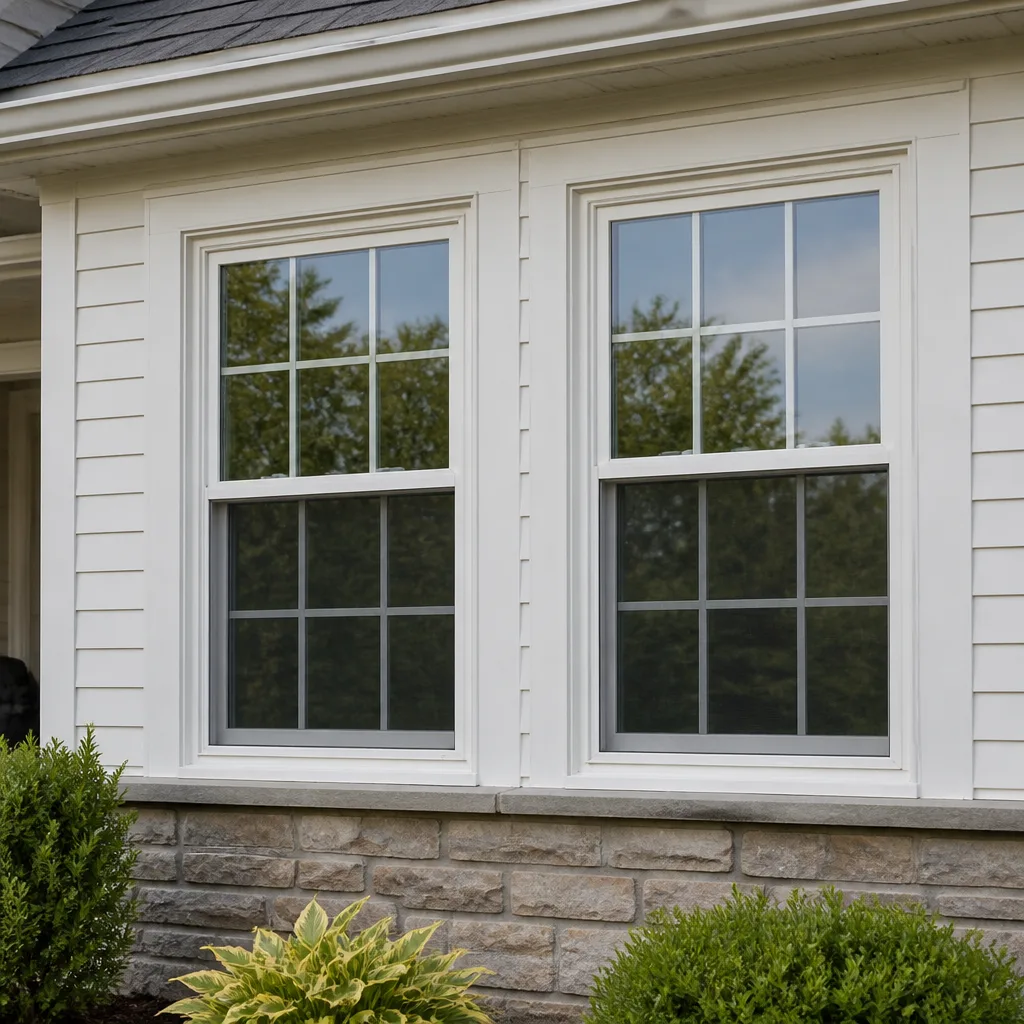 Double hung
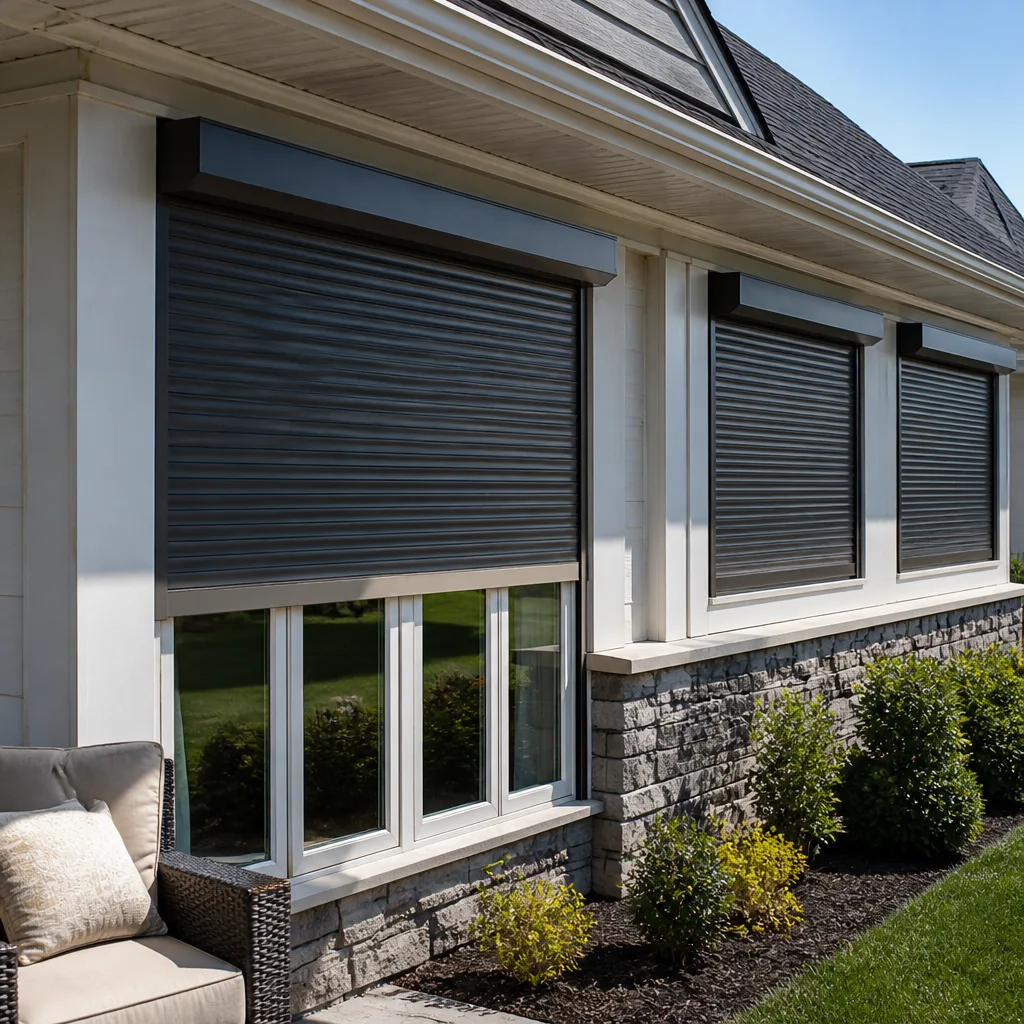 Horizontal roller
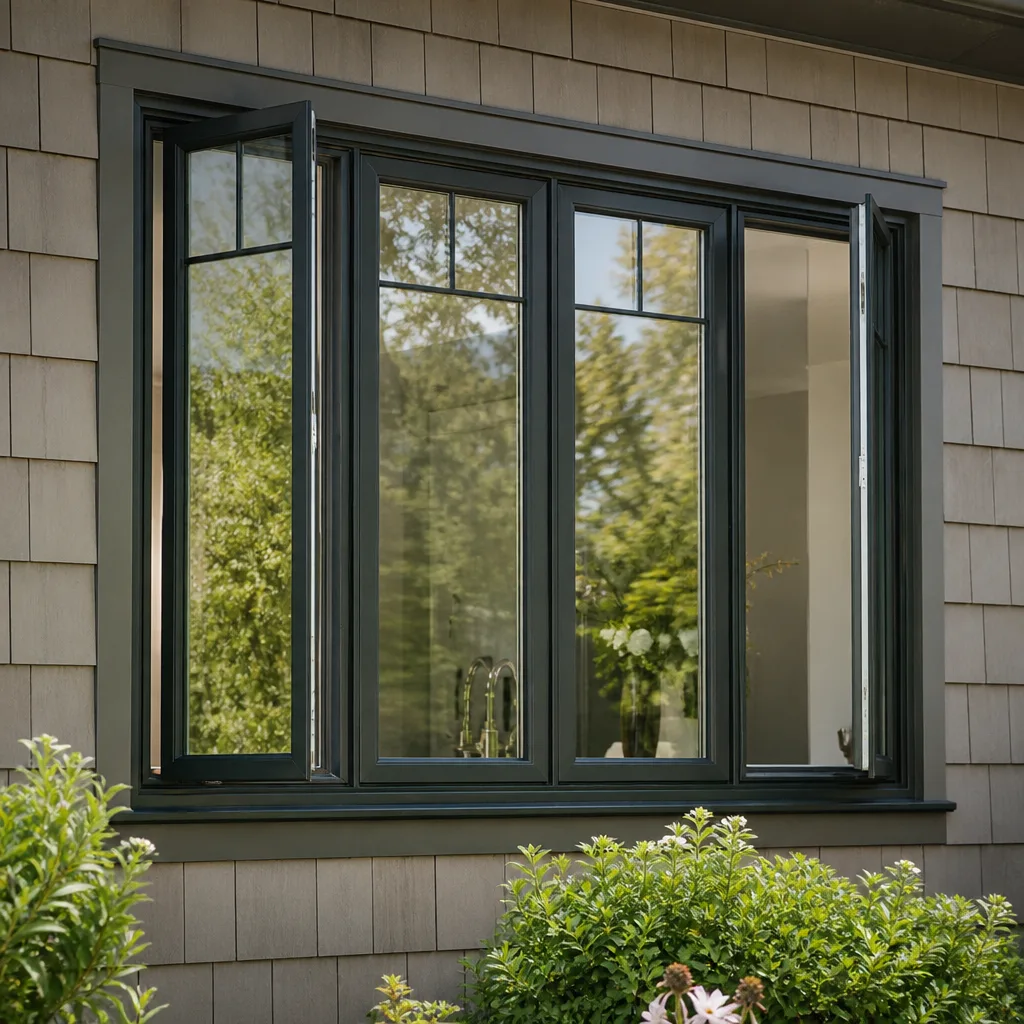 Casement
 Bay & bow
 Entry doors
 Impact garage doors
 PGT
 CGI
Free in-home measure and quote - PGT, CGI and CWS impact lines compared on your actual openings, style by style
Get your free estimateSeasonal Windows & Doors Care for Whitney: Year-Round Homeowner’s Guide
The best time to re-caulk windows and doors in Whitney is a narrow window in late March or early October. Temperatures then sit between 50°F and 90°F, humidity is low, and sealant cures properly instead of skinning over or off-gassing before it sets. Most care guides assume a national four-season calendar that doesn’t apply here. Whitney runs on two brutal stress periods, summer heat above 110°F and winter cold snaps with rapid cycling, separated by short shoulder seasons that are the real work windows. This guide walks through a maintenance calendar timed to temperature bands, pre-summer prep, post-monsoon inspection, winter preparation, and how to spot UV damage before it becomes visible. Whitney Windows & Doors built it around what we actually see on this desert edge.
Quick Answer
Whitney’s window and door maintenance cycle centers on two work windows, late March and early October, when temperatures run between 50°F and 90°F and sealant cures properly. Pre-summer prep runs from late March through May, before heat above 110°F arrives. Post-monsoon inspection follows the August-September rains. Winter tasks are light because Whitney gets cold nights but rarely hard freezes, which changes how thermal expansion affects frames and seals compared to freeze-thaw climates. Everything else is monthly observation that costs no more than fifteen minutes.
Styles & brands we work with
- Single hung
- Double hung
- Horizontal roller
- Casement
- Bay & bow
- Sliding glass doors
- Entry doors
- Impact garage doors
- PGT
- CGI
Table of Contents
- A Whitney Maintenance Calendar Built on Temperature, Not Months
- Pre-Summer Prep: Five Tasks That Prevent Heat-Season Failures
- Post-Monsoon Inspection: What August and September Do to Your Seals
- Winter Preparation for a Climate That Gets Cold but Rarely Freezes
- How to Spot UV-Induced Frame and Glazing Damage
- The Fifteen-Minute Monthly Walkthrough
- When Maintenance Stops Working: Choosing Replacement Products
A Whitney Maintenance Calendar Built on Temperature, Not Months
Most homeowner guides tell you to “winterize in fall” and “check screens in spring.” Those instructions were written for climates with four roughly equal seasons. Whitney has two dominant seasons and two short shoulder periods, and the work should follow the temperature bands, not the calendar printed on a magazine checklist.
Here’s how to think about the year in Whitney:
- Spring shoulder (roughly late March to mid-May): daytime temperatures between 50°F and 90°F. This is your primary sealant window. Caulk, weatherstripping, and glazing compound all cure properly in this band. This is also when screen installation and track cleaning make sense, before the first stretch above 100°F.
- Heat season (mid-May through September): sustained days above 110°F. Sealants already in place get tested here. Direct maintenance work on exterior joints is limited because fresh sealant can skin over before it bonds and heat makes ladder work genuinely hazardous.
- Monsoon stretch (August through September): brief, heavy rain. This is when weatherstripping and sill pan drainage get their real annual test.
- Fall shoulder (roughly early October to early November): temperatures return to the 50°F to 90°F band. This is your second sealant window and the ideal time for winter weatherstripping checks.
- Cold season (December through February): nights get cold, days stay mild. Thermal cycling between day and night moves frames and seals more than absolute cold does here.
The point is sequencing. If you re-caulk in July, you’re applying product that won’t cure properly. If you install weatherstripping in a January cold snap, the adhesive may not bond. Whitney’s two shoulder windows exist for a reason, and matching your work to them is the single highest-value habit in this guide.
For homeowners in Whitney the pattern is consistent enough to plan around. Mark late March and early October on your calendar, and treat the rest of the year as observation rather than intervention.
Pre-Summer Prep: Five Tasks That Prevent Heat-Season Failures
Sustained heat above 110°F is hard on windows and doors. Frames expand, seals dry out, tracks collect grit that grinds on rollers, and hardware stiffens. Most heat-season problems we hear about were avoidable with a handful of tasks done before the first hot stretch. Here’s the sequence we recommend for late March through May:
- Install or inspect screens. Put screens back in place before the heat arrives, and check the frame corners for bent splines or torn mesh. A screen that fails in July is harder to deal with than one caught in May.
- Clean the tracks. Vacuum and wipe every sliding window and door track. Grit in a track under high heat is the leading cause of sticky sliders and worn rollers. A stiff brush and a damp cloth handle most of it.
- Inspect seals and weatherstripping. Run a hand along each weatherstrip. Cracks, compression set, and hardened material all show up before heat season. Note anything that fails the squeeze test.
- Lubricate hardware. Hinges, locks, rollers, and latch mechanisms all benefit from a small amount of appropriate lubricant. Don’t overdo it; a little goes a long way, and excess attracts dust.
- Re-caulk exterior joints. This is the one task that must be timed to the temperature band. Around Whitney, exterior caulk joints on window frames and door surrounds are where heat exposure shows first.
These five tasks take a day of work and prevent the majority of heat-season complaints we hear. If you can’t finish all five before late May, prioritize tracks and seals; those two tasks prevent the most mechanical failure.
When pre-summer inspection reveals a weatherstrip that’s beyond repair or a seal that’s failed at the frame, that’s useful information to have in April rather than August. A planned replacement or repair can be scheduled properly instead of waiting until the first heat wave forces the issue. See our guide to window replacement if seals, frames, or glazing are showing stress.
Post-Monsoon Inspection: What August and September Do to Your Seals
Whitney’s monsoon stretch is short but intense. Brief, heavy rain drives water against vertical and horizontal surfaces that stay dry most of the year. Two areas on every window and door take the hit first: weatherstripping and sill pan drainage.
After the last significant rain of the season, usually by late September or early October, walk the exterior of every window and door and look for the following:
- Weatherstrip deformation. Monsoon-driven water combined with heat can cause weatherstrip to deform, harden, or pull away from the frame. Look at the corners where strips meet; those joints separate first.
- Water staining below the sill. A stain under a sill means water got behind the flashing or through a failed sill pan. This is a genuine issue, not a cosmetic one.
- Drywall or stucco discoloration around the frame. If interior drywall shows phantom staining near a window or door, water may be traveling behind the frame from an exterior entry point.
- Debris in the sill pan and weep holes. Sill pans drain through weep holes. If those holes get clogged with dust and monsoon debris, water backs up under the sill.
- Doors that suddenly don’t close properly. Swelling in a wood-framed threshold or a shifted sill plate may indicate water penetration that only becomes visible after a heavy rain event.
One thing that surprises homeowners: the monsoon damage often shows up weeks after the rain, when the material dries and cracks reveal where water was. Walk the exterior again in early to mid-October, before your sealant window closes. If you see deformation or water damage, that’s the time to plan repairs rather than fight them mid-winter.
The most common monsoon repair in Whitney is weatherstrip replacement on entry doors and sliding windows. This is a specific job, and doing it right depends on matching the profile to the door brand. This is one reason brand coverage matters; the team at Whitney Windows & Doors can help diagnose failures on PGT, CGI, and Therma-Tru products alongside the rest of the eight-brand portfolio.
Winter Preparation for a Climate That Gets Cold but Rarely Freezes
Whitney winters are mild in absolute terms but hard on certain types of window and door hardware because the damage comes from thermal cycling, not freezing. A day that swings from a cold night into the 60s and back moves every frame, gasket, and seal slightly. Sustained freeze-thaw climates have a different problem: water freezes in cracks and expands. Whitney rarely sees sustained freezing, so the damage mode here is the constant expansion and contraction, not ice damage.
What that means practically:
- Check weatherstripping for compression set. Repeat expansion and contraction flattens weatherstrip over time. If a door used to seal with a firm cushion and now closes with a light touch, the strip has lost compression.
- Inspect door sweeps. Entry door sweeps take more wear here than in colder climates because they’re in use year-round. A worn sweep lets in dust and cold air.
- Look at frame corners for hairline gaps. Where thermal cycling is chronic, caulk joints open at corners first. Look at the inside corners of every window frame.
- Confirm the hardware operates freely. If a window or door gets stiff in cold weather, don’t force it. Lubricate the hardware and check the alignment.
- Check for condensation on interior glass. Condensation inside the glass (between panes) means a seal failure in an insulated unit. This is a glazing issue, not a weather issue.
Your fall sealant window, roughly early October, is the right time to address these items. The temperature is in the proper band, and the work sets you up for the cold season rather than fighting it. If any of these issues reveal damage beyond repair, the conversation shifts from maintenance to replacement, and that’s a different discussion. Take a look at our overview of window installation for what that involves.
How to Spot UV-Induced Frame and Glazing Damage
UV exposure in Whitney is intense, and its effect on windows and doors is more subtle than people expect. Unlike heat damage, which shows up as sticking or sticking seals, UV damage develops slowly and often becomes visible only after the material has already degraded.
The two affected areas are frames and glazing. Here’s what to look for on each:
Frame damage
- Chalking on vinyl and composite frames. Run a finger along the exterior frame. If it comes away with a white, powdery residue, the surface is chalking. Some chalk is normal; persistent chalking signals UV degradation.
- Fading or color shift. Compare the frame to an area that gets less sun. Noticeable color change indicates the surface has broken down.
- Dry or brittle seals at the glass-to-frame edge. Sealant at this joint should feel flexible, not hard. If it cracks when you press on it, UV has hardened it.
Glazing damage
- Haze or cloudiness. Any degradation visible in the glass surface, particularly near the bottom edge, warrants attention.
- Seal failure in insulated glass. Fog or condensation between panes indicates the spacer seal has failed. This shows up in the highest-sun faces of a home first.
- Reflection inconsistencies. A window showing unusual reflection patterns compared to its neighbors often has a glazing or surface issue.
For homeowners interested in a more measurable signal, a cheap UV meter or a photographic record helps. Take a photo of every window in spring and again in fall. Consistent lighting from the same angle will show fading and haze changes year over year. This is one of the most reliable ways to catch UV degradation before it becomes structural.
The best defense is product selection. Whitney carries multiple product families that address UV exposure differently, and brand-agnostic advice means the answer isn’t always the same brand. ES Windows, PGT, and CWS all approach UV and thermal performance from different angles, and the right fit depends on which windows in your home face the harshest sun.
The Fifteen-Minute Monthly Walkthrough
Between the two big annual work windows, a small amount of monthly observation prevents most surprises. This walkthrough takes about fifteen minutes and requires no tools beyond a flashlight:
- Open and close every operable window and door. Feel for binding, sticking, or unusual stiffness. Catching these early prevents mechanical wear.
- Look at the exterior caulk joints. A quick visual sweep, focusing on corners and anywhere you’ve seen a previous crack.
- Test every lock and latch. Hardware that’s starting to stick gives you weeks of warning before it fails.
- Check the weatherstrip on the doors you use most. Run a finger along the strip. If it’s no longer soft and springy, that’s a replacement clue.
- Look at the glass for new haze or condensation. Particularly on insulated units facing heavy sun.
The value of the monthly walk is timing. A weatherstrip that fails in June is a hot problem you didn’t need. A weatherstrip that fails in February, caught in the monthly check, is a fifteen-minute fix you handle in the fall shoulder. We walk homeowners through this routine because it’s the practice that saves the most work.
Between this and the seasonal tasks above, most of Whitney’s window and door maintenance is covered. Whitney Windows & Doors built this calendar from years of observation, and the sequence holds whether your home has newer PGT or CGI windows or a mix of brands from different generations.
When Maintenance Stops Working: Choosing Replacement Products
There’s a clear point where maintenance stops being the answer and product selection becomes the conversation. It isn’t when a window looks bad. It’s when the maintenance itself gets more expensive than the benefit, or when problems recur faster than you can solve them. If you’re re-caulking the same joints twice a year, if weatherstrips are failing every season, or if you’re seeing seal failure in insulated glass across multiple units, you’re at that point.
When that happens, the replacement conversation should center on your specific climate pattern rather than a single brand’s pitch. Whitney’s portfolio spans eight manufacturers, and the right product depends on which problems you’re trying to solve. Impact-rated lines from PGT, CGI, and ES Windows handle heat and heavy rain events differently than standard lines. Energy-efficient options reduce cooling load during heat season. When maintenance stops solving the problem, a specialist contractor and a well-chosen product line will get you another decade of useful service.
That’s ultimately why Whitney Windows & Doors carries competing manufacturers rather than betting on one. The right window for your home isn’t the one we happen to stock; it’s the one that solves your specific climate exposure. And with technicians who bring up to 11 years of experience to the job, the installation itself is done by specialists, not generalists, whether it’s a single replacement window or a full exterior door line with Therma-Tru products.
For more on how the two services differ, see our guide to window replacement. For the full product portfolio and what each brand is well suited for, start at Whitney Windows & Doors.
Common Mistakes to Avoid
- Applying sealant in the heat season. Caulk applied when temperatures are above 90°F can skin over before it bonds and crack in the first cold snap. Work in the March or October window instead.
- Using interior caulk on exterior joints. Whitney UV exposure damages interior-grade sealant within a single season. Always check that the product is rated for exterior use.
- Skipping the post-monsoon walk. Monsoon damage often appears weeks after the rain, when materials dry and reveals cracks. Walk the exterior in early to mid-October, every year.
- Assuming thermal stress damage means replacement. Thermal cycling is the most common cause of window and door issues here, and many are fixable with weatherstrip or seal work. Diagnose before assuming.
- Forcing stiff windows or doors. When a window or door binds in cold weather, forcing it damages hardware. Lubricate and check alignment before forcing.
- Ignoring frame chalking. White powder on the frame that returns after wiping is UV degradation, not dirt. It signals the frame needs attention.
- Treating all brands as interchangeable. A weatherstrip from one manufacturer doesn’t fit another. Match the profile to the door or window brand, whether PGT, CGI, Therma-Tru, or another.
See the difference
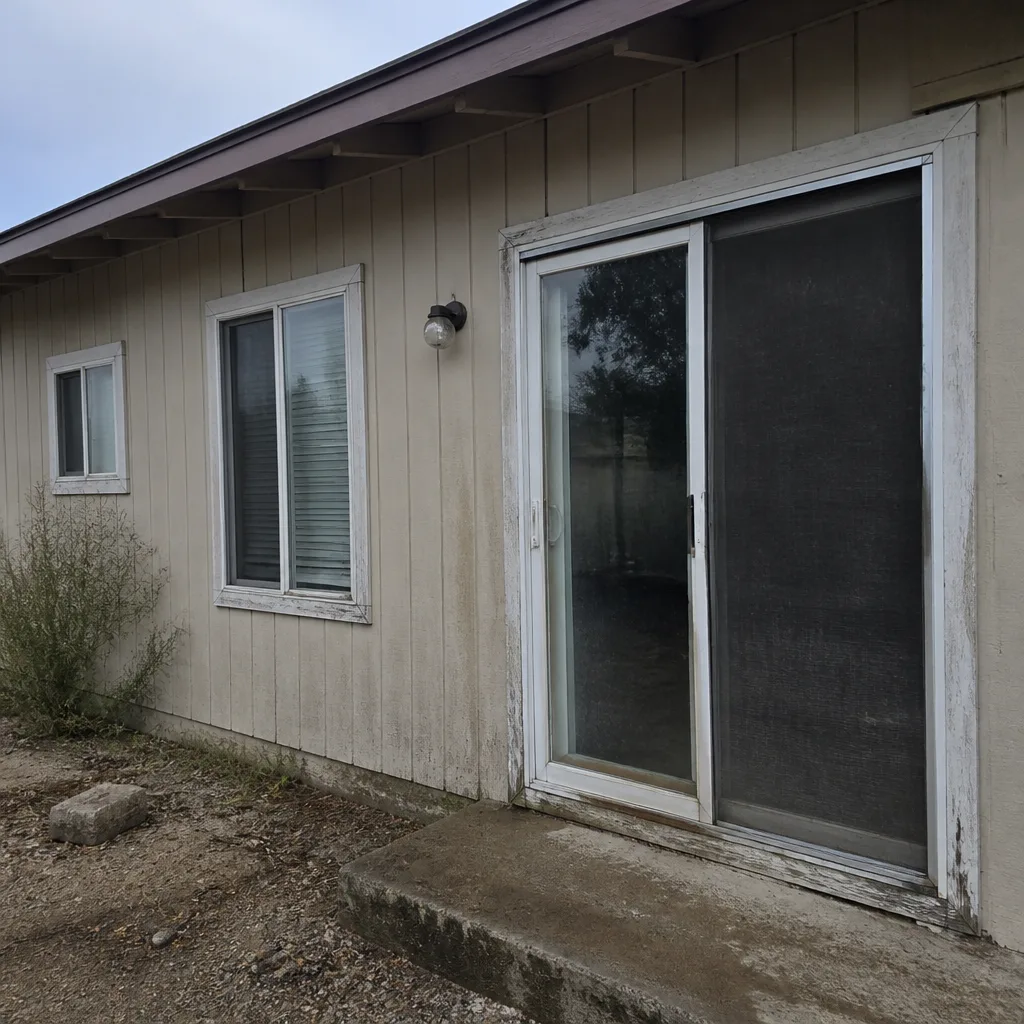 Before
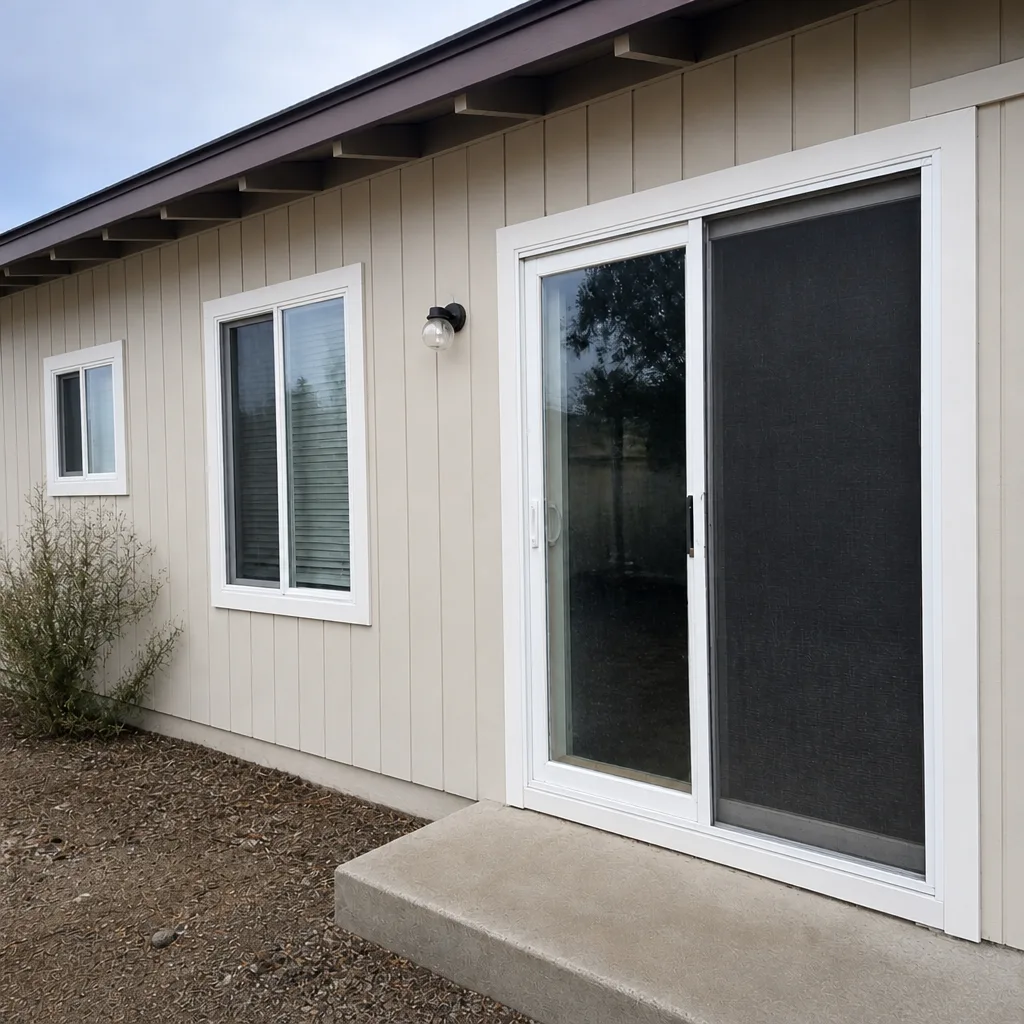 After
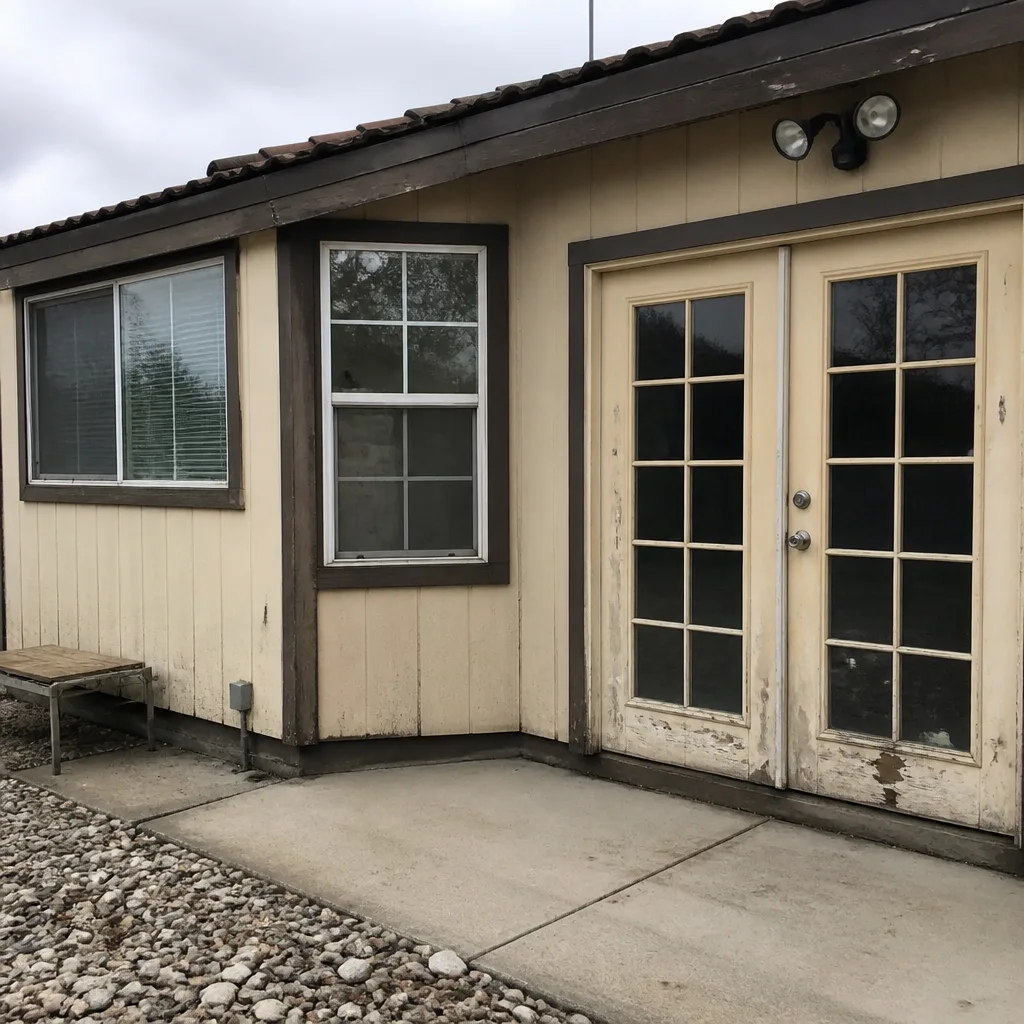 Before
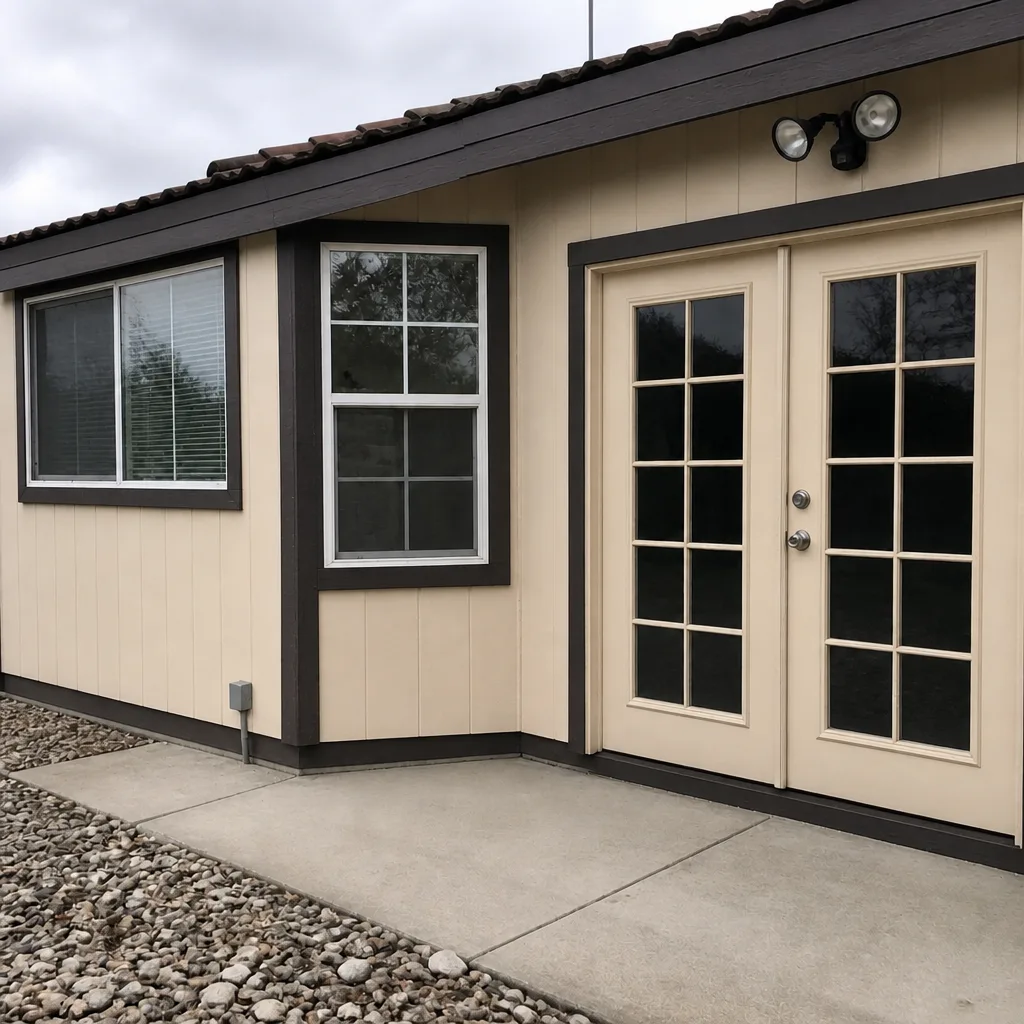 After
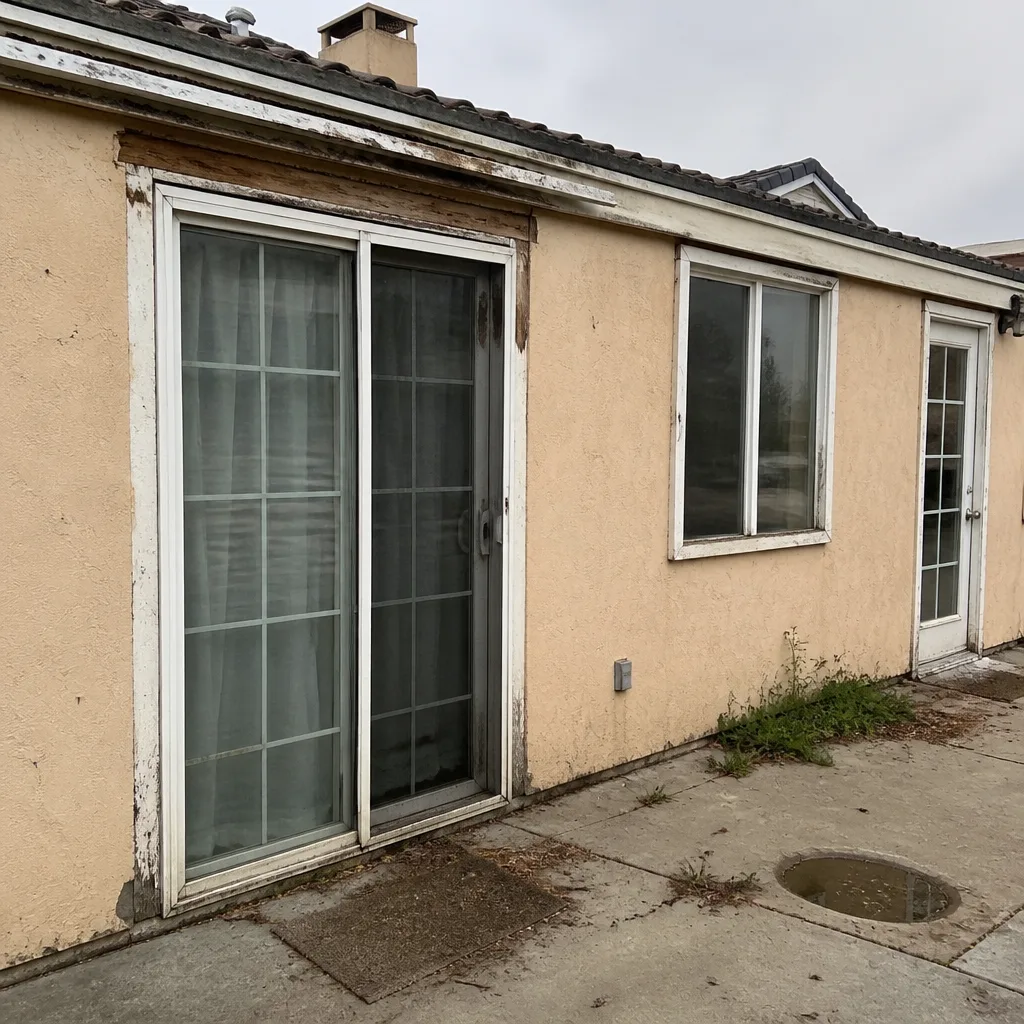 Before
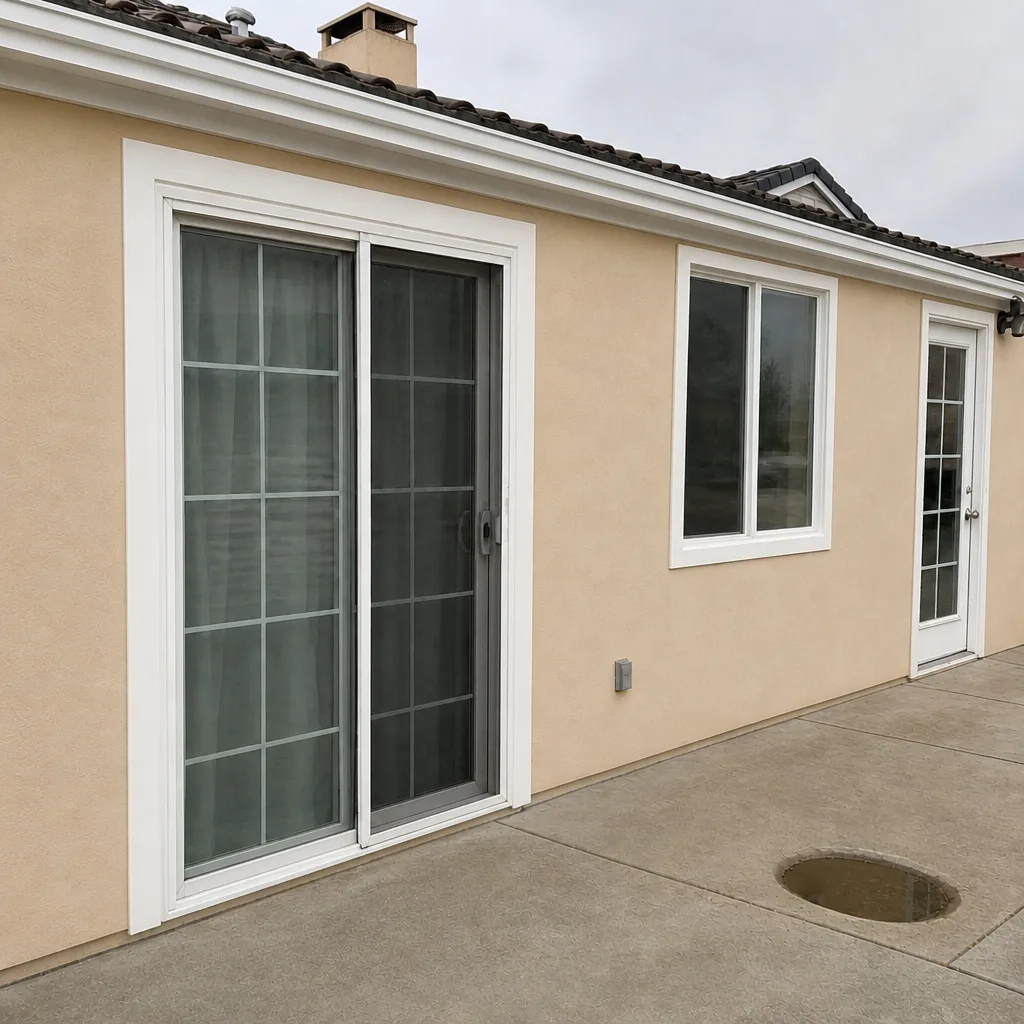 After
When to Call a Professional
Some window and door issues are genuinely DIY. Cleaning tracks, lubricating hardware, and installing screens all fall into that category. Others need a trained eye and proper tools. Call a professional when you’re seeing:
- Insulated glass seal failure (fog or condensation between panes)
- Water staining on interior drywall or under sills after monsoon rain
- Weatherstripping that fails repeatedly in the same season
- Frames with persistent UV chalking or color degradation
- Doors that no longer close properly after monsoon season
- Multiple windows showing the same wear pattern across the house
Whitney Windows & Doors offers free estimates in Whitney. Call (844) 722-8594. We answer 24/7. Fast dispatch from 7am to 7pm, Sunday through Friday.
Frequently Asked Questions
The two best maintenance windows in Whitney are late March and early October, when temperatures sit between 50°F and 90°F and sealant cures properly. Work timed between those windows either runs into heat above 110°F or into a cold season that prevents proper bonding. If you only do one major maintenance pass per year, late March is the higher priority because it sets you up for heat season.
Exterior caulk on windows in Whitney usually needs attention every three to five years, though the timing depends on the product and the sun exposure of each window. Joints facing the harshest afternoon sun often need it sooner. If you’re re-caulking the same joints twice a year, that’s a sign the sealant isn’t rated for exterior use or the joint itself is failing.
Whitney’s August-September monsoon drives brief, heavy rain against surfaces that stay dry the rest of the year, which stresses weatherstripping and sill pan drainage. Weatherstrip can deform or pull away at corners, and sill pans can clog with debris. Walk the exterior after the monsoon stretch to catch issues before they turn into water damage. Call (844) 722-8594 for an exact quote on repair – estimates are free.
Whitney’s climate doesn’t have sustained hard freezes, so ice damage isn’t the issue. The culprit is thermal cycling: the constant expansion and contraction of frames, gaskets, and seals as temperatures swing between warm days and cold nights. That repetitive motion flattens weatherstrip and opens caulk joints faster than a stable climate would. It’s a different wear pattern than freeze-thaw damage and responds to different maintenance.
UV damage in Whitney shows up as chalky white residue on exterior frames, color fading compared to sun-protected areas, and brittle sealant at the glass-to-frame edge. In glazing, look for haze near the bottom edge or fog between panes. A photo taken each spring and fall shows the changes year over year. If you’re seeing any of these, that’s a signal worth acting on.
No. We’re closed Saturday and open Sunday through Friday, 7am to 7pm. Scheduling estimates and installation work happens through the week and on Sunday. A call placed outside those hours is booked into the next opening, Sunday through Friday, 7am to 7pm. Call (844) 722-8594 to schedule.
The Bottom Line
Whitney’s window and door care runs on a two-season cycle, not a four-season calendar. Lock in your sealant work to the March and October temperature bands, do a five-task pre-summer prep before May, walk the exterior after monsoon in August and September, and check weatherstripping and seals for thermal cycling damage through winter. The rest of the year is a fifteen-minute monthly walk that catches most problems before they become expensive. If maintenance stops solving the problem, a specialist contractor and a well-chosen product line will get you another decade of useful service. That’s the path: plan around Whitney’s real climate, match products to your specific exposure, and call the trade when the problem has moved beyond maintenance.
Call (844) 722-8594 for a free estimate on window or door work. We answer 24/7. Fast dispatch from 7am to 7pm, Sunday through Friday.
Written by the team at Whitney Windows & Doors.