Last updated November 18, 2026
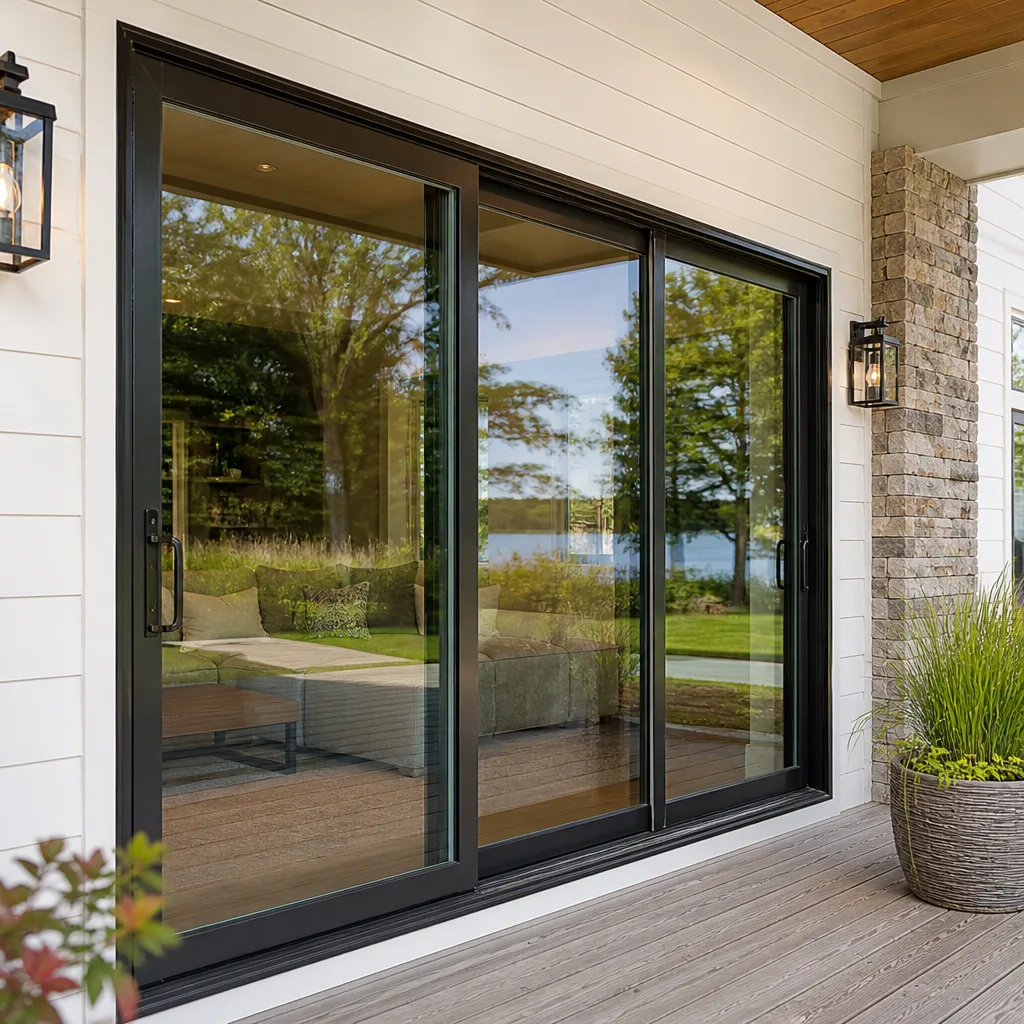 Sliding glass doors
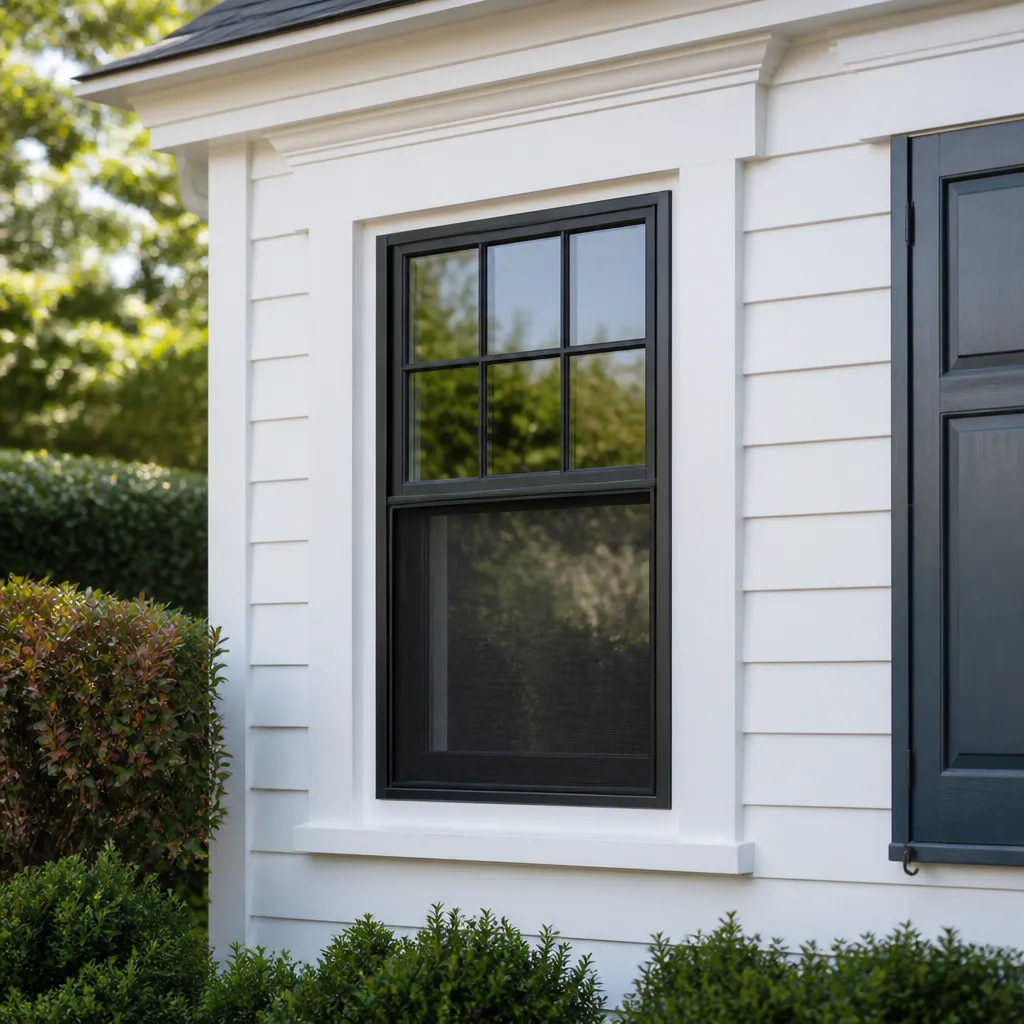 Single hung
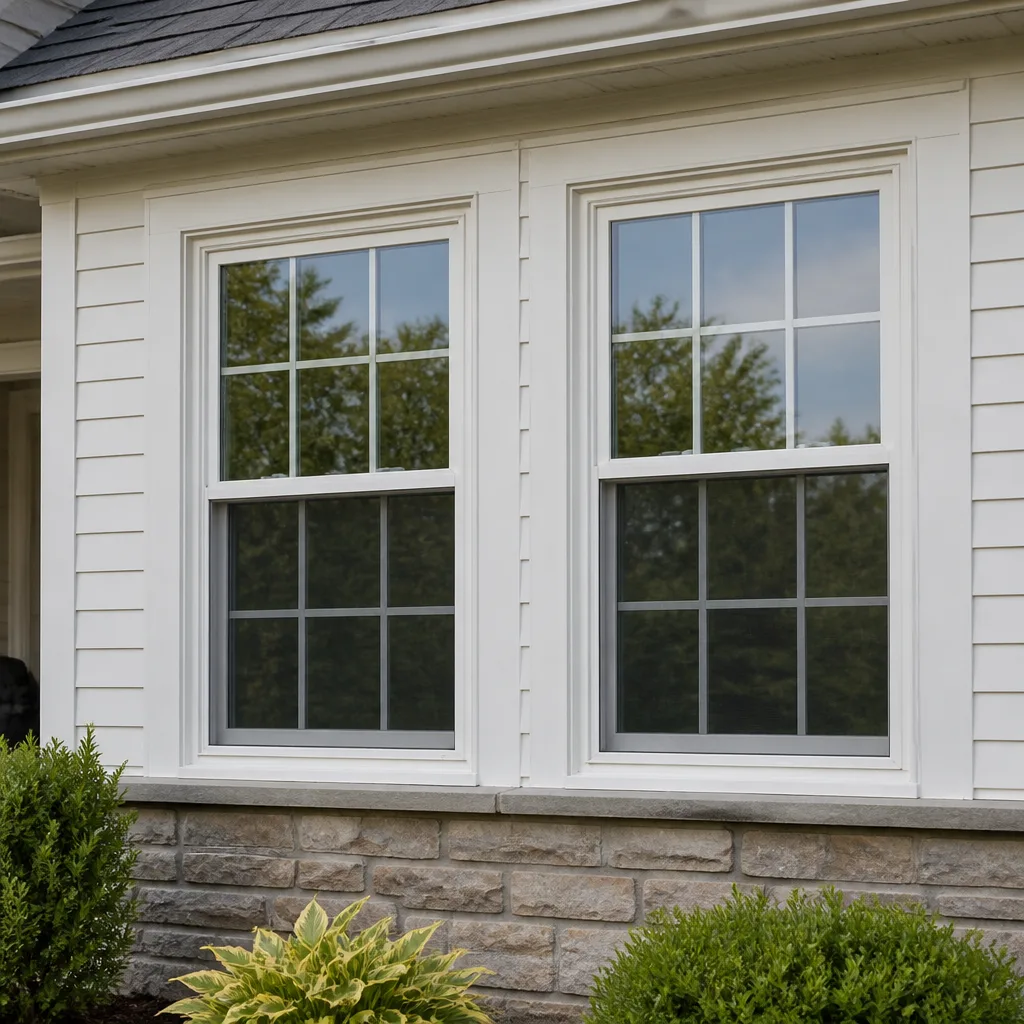 Double hung
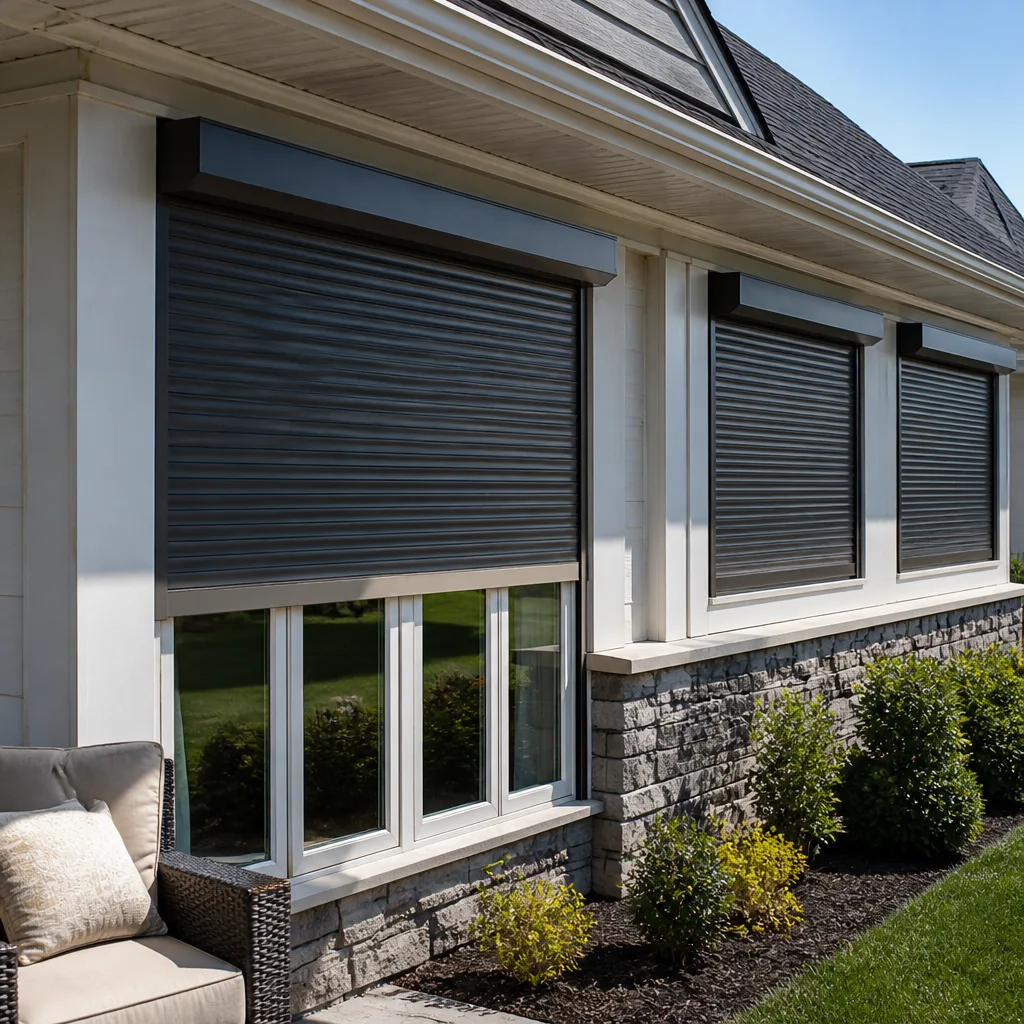 Horizontal roller
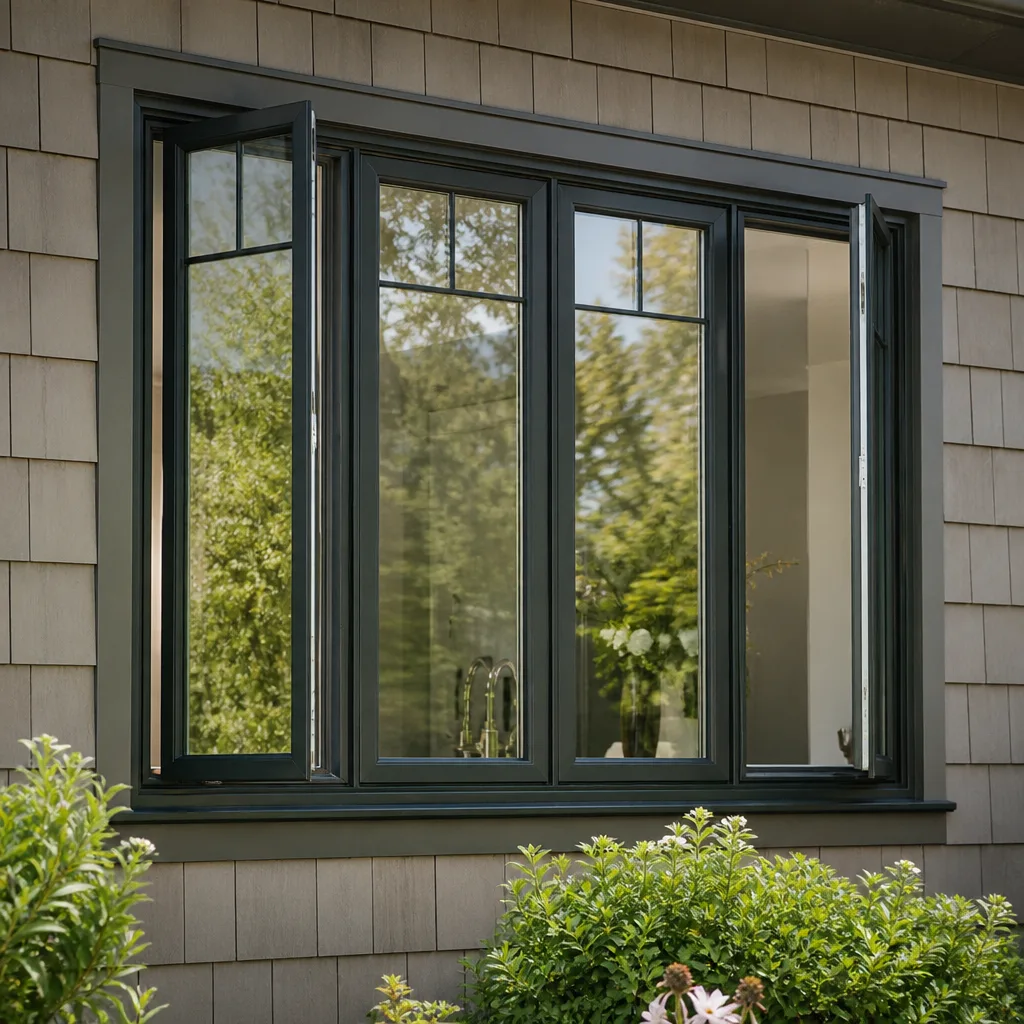 Casement
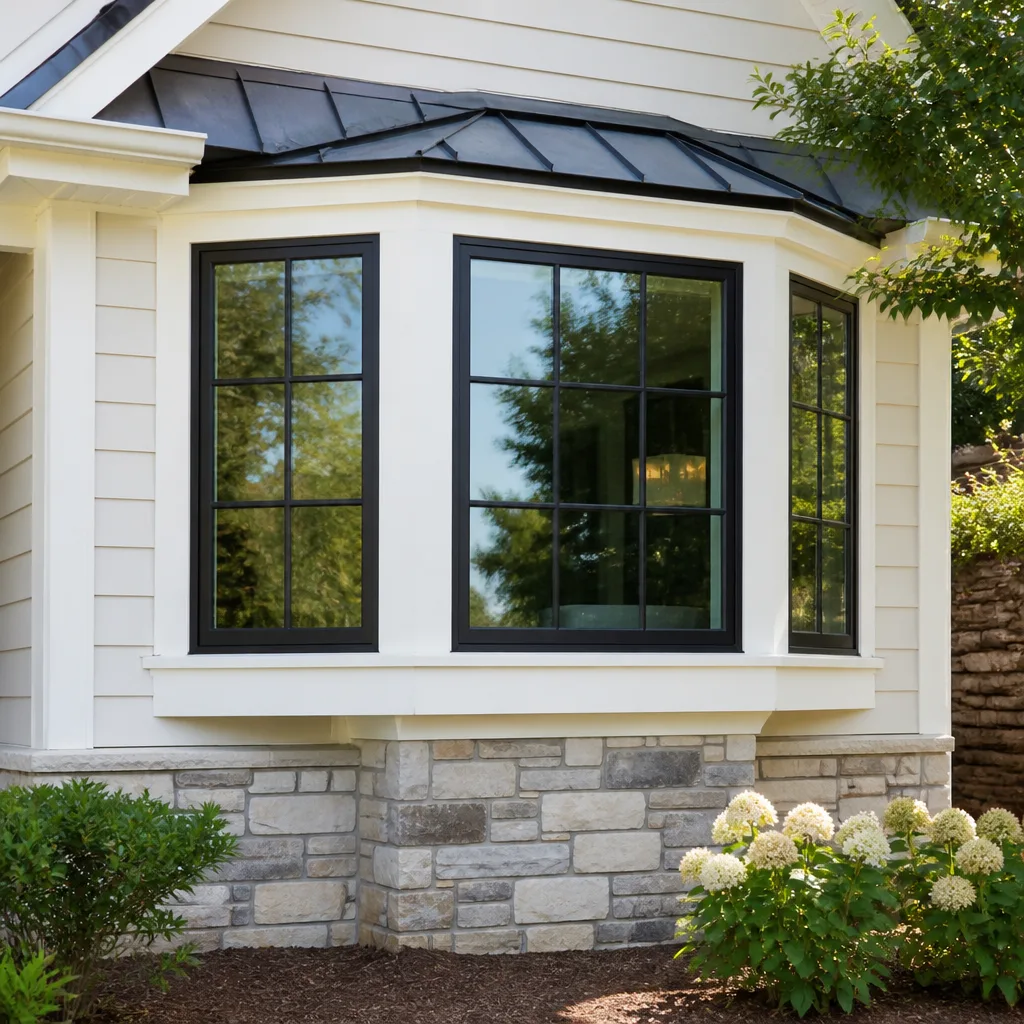 Bay & bow
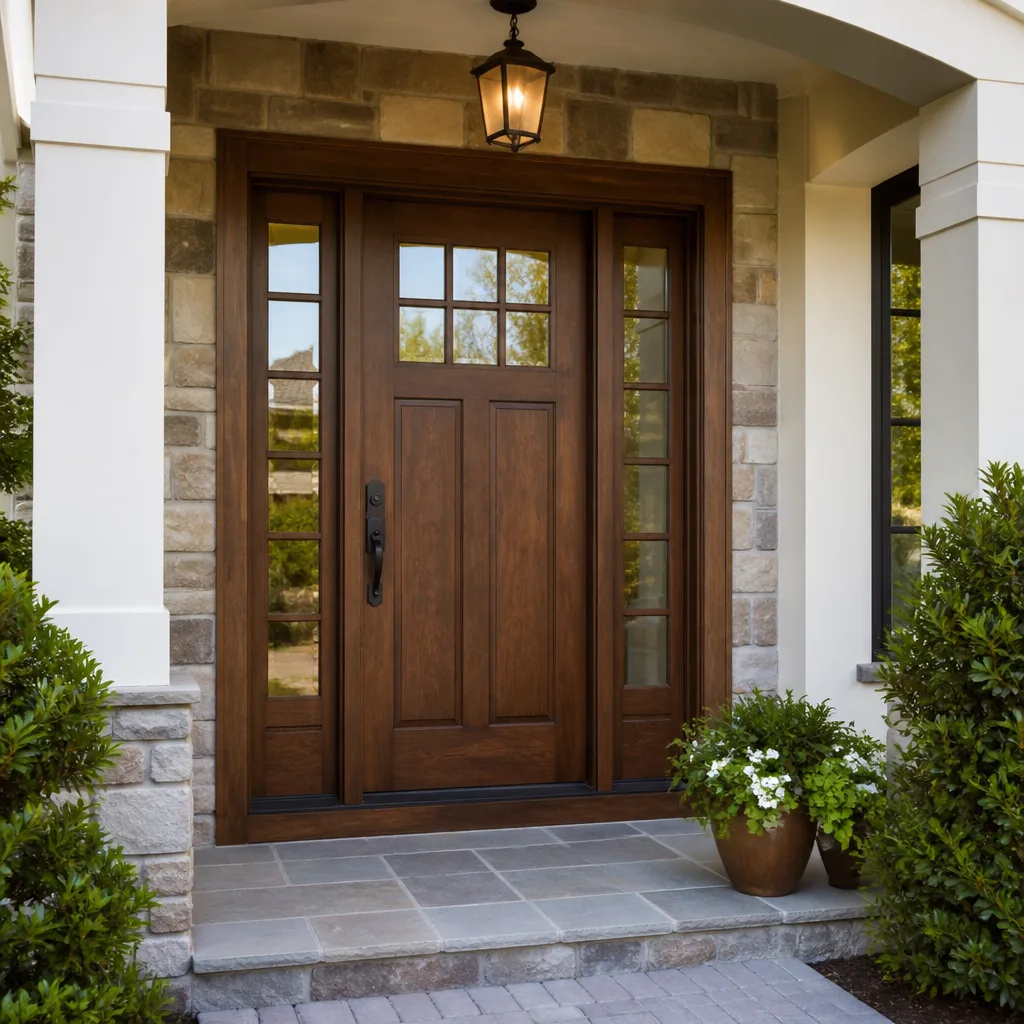 Entry doors
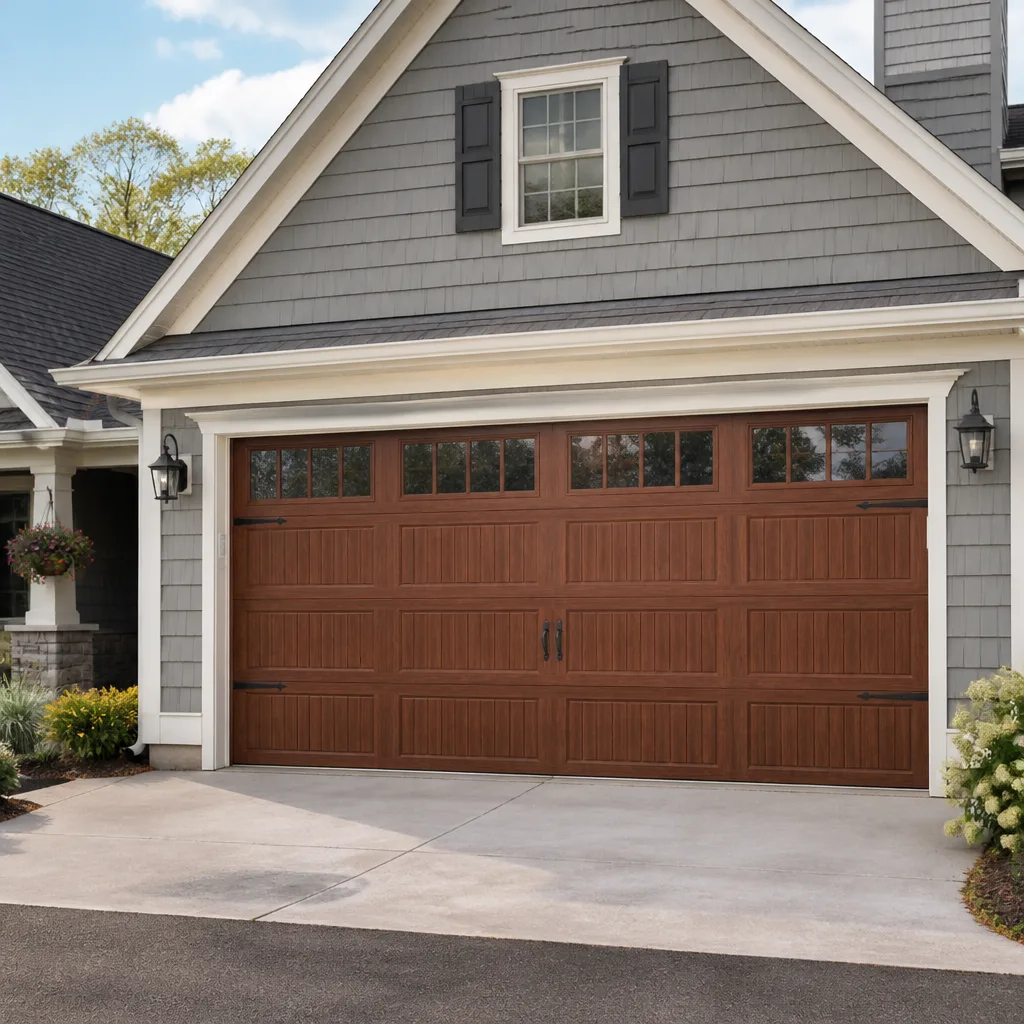 Impact garage doors
 PGT
 CGI
Free in-home measure and quote - PGT, CGI and CWS impact lines compared on your actual openings, style by style
Get your free estimateWindows & Doors Cost Breakdown: The Whitney Homeowner’s Reference for 2026
A window priced at a few hundred dollars online becomes a very different number installed once a contractor opens the wall and finds original aluminum frames set into stucco. That situation describes a large share of Whitney’s housing stock, and the removal and re-flashing work alone can run three times longer than a simple frame-in-frame swap. Product price is the part of a window or door estimate homeowners can see. The rest, which is rough opening condition, header work, exterior repair and disposal, is the part that decides the final bill, and almost no cost guide makes it visible. This reference separates every line item so you know what you’re paying for before you call for quotes. We’re Whitney Windows & Doors, and this is the breakdown we wish every homeowner had in hand first.
Quick Answer
In 2026, a straightforward replacement window in Whitney typically runs about $550 to $1,400 installed per unit, while a premium impact-rated or architectural unit can reach $1,800 to $3,200 installed. Entry doors generally land between $1,200 and $4,500 installed, patio doors between $1,800 and $5,500, and French doors between $2,500 and $7,000 depending on material, glazing and opening condition. Rough opening prep, exterior finish repair and disposal are the variables that most often move a final price by 40% to 60% above the bare product cost, and they should appear as separate lines on every written quote.
Styles & brands we work with
- Single hung
- Double hung
- Horizontal roller
- Casement
- Bay & bow
- Sliding glass doors
- Entry doors
- Impact garage doors
- PGT
- CGI
Table of Contents
- Why Product Price Is Only Half the Story
- The Line-Item Breakdown: What Every Quote Should Show
- How Size, Operation Type and Glazing Drive the Price
- The Whitney Housing Stock Multipliers
- Entry vs. Patio vs. French Doors: What Explains the Spread
- How to Evaluate Competing Quotes Line by Line
- Common Mistakes to Avoid
- Frequently Asked Questions
Why Product Price Is Only Half the Story
A window or door is a manufactured product with a published dealer cost, and almost every contractor in Whitney quotes from a similar range once you’re comparing the same brand and series. The real divergence between quotes comes from the labor and prep behind the product. Two bids for the identical PGT or CGI unit can differ by thousands because one contractor has priced the wall as it actually is and the other has priced it as it normally would be.
At Whitney Windows & Doors, we work in window replacement and door installation and nothing else, so we see the same construction patterns across the area. Those patterns are predictable. A house built during the tract construction waves of the 1980s through the 2000s usually has one of a few framing setups, and each one has known implications for removal time and finish repair.
Here’s what separates a product-only figure from an installed price:
- Product – the unit itself, delivered, in the specified series and glazing.
- Labor – removal of the old unit, setting the new one plumb and square, and sealing.
- Rough opening prep – what the framing and sheathing need before a new unit goes in.
- Exterior finish repair – stucco, siding or trim work to close the wall around the new frame.
- Disposal – hauling the old unit away and recycling or dumping it.
Our technicians have up to 11 years of experience with this exact work, and the difference between a tidy frame-in-frame job and a full tear-out is often visible within the first ten minutes on site. A quote can’t promise that visibility, but it can price the possibilities honestly. That is what we build into ours.
The Line-Item Breakdown: What Every Quote Should Show
A written quote in Whitney should list each of the five scopes above as its own line, with quantities and the product series named. If a quote collapses everything into one lump figure or a “per window installed” number, ask for the breakdown before you compare it to anything else. Scopes that get buried are scopes that get re-negotiated once the wall is open.
Here’s a typical range you’ll see in the Whitney market for common conditions:
| Scope | Typical range per unit | What drives it |
|---|---|---|
| Product – standard replacement window | $280 – $750 | Series, size, glazing package |
| Product – impact-rated or premium | $700 – $1,800 | Impact glass, architectural line, larger size |
| Labor – frame-in-frame install | $220 – $450 | Access, story height, number of operables |
| Labor – full tear-out and reframe | $600 – $1,300 | Embedded frames, stucco, re-flashing |
| Rough opening prep | $150 – $700 | Rotted sill, header repair, shimming |
| Exterior finish repair | $200 – $900 | Stucco patching, trim replacement, sealing |
| Disposal | $40 – $120 | Unit count, glass separation requirements |
These are estimated ranges, not quotes. The written estimate is what sets the final price for your project, and it’s free. We hold to the figure in the written bid with no change orders unless you approve a scope change.
If you’re pricing a full-home project, the per-unit figures stack up quickly. A house with 14 windows mid-range typically lands between $9,000 and $19,000 installed; the same house with premium lines can run $18,000 to $30,000 or more. That spread makes it worth seeing the line items.
How Size, Operation Type and Glazing Drive the Price
Three product variables move a window price more than anything else: size, operation type and glazing package. Size is the most obvious. Width and height push both product cost and glass cost, and they also push labor because bigger units need more hands and a second person to set safely. Standard widths up to about 36 inches sit at the low end. Units over 48 inches wide or more than about 72 inches tall jump into a higher tier for product and labor.
Operation type changes the price just as much:
- Double-hung – usually the most affordable operable style; the sash mechanism is simple and gasketing is uncomplicated.
- Casement – higher than double-hung because of the crank mechanism, hinges and more exacting weather seal; expect $100 to $300 more per unit at the product line.
- Slider – similar to casement in range depending on width; wider sliders add a second panel and more hardware.
- Fixed – the least expensive operable category, but often paired with operables in the same opening.
- Picture and awning – priced between fixed and casement depending on sash design.
Glazing is the third lever. A standard dual-pane package with Low-E and argon sits at the base of the range. Impact-rated glass, which is a significant share of what we install in Whitney because it’s both a performance and a code-relevant upgrade for many openings, sits at the top. Stepping up from standard to impact across the same series often adds $250 to $700 per unit at the product line. Energy-efficient upgrades like warm-edge spacers are smaller deltas, usually $50 to $150.
Because we carry competing lines across the price and performance spectrum, including CWS for value-conscious projects, ES Windows for impact, and Mr-Glass for custom and architectural openings, we can quote the same window in two or three tiers so you can see the difference in dollars rather than in adjectives. The right window for your home is the one that fits your opening, your performance needs and your budget, not just the one we happen to carry.
The Whitney Housing Stock Multipliers
Whitney isn’t a uniform housing market. It’s a mix of tract construction from the 1980s through the 2000s, some custom homes, and a range of single-story and two-story layouts. Those details change the cost of the same window in real, measurable ways, and they’re the ones a national cost calculator will never capture.
Stucco exteriors. Stucco is common throughout the area. When the original aluminum frame is set into stucco and the window is being replaced frame-in-frame, no exterior work is needed. When the frame is embedded and the opening needs to be enlarged, or when the old frame has rusted or shifted, the stucco has to be cut back to expose the rough opening, then patched and re-flashed. That is where the 40% to 60% step-up over product price usually lands. In our experience, stucco repair runs $200 to $900 per opening, and it’s the single biggest hidden line item in Whitney quotes.
Framing depth: 2×4 versus 2×6. A 2×4 wall limits how deep a window can sit and can affect which series works without custom trim. A 2×6 wall gives more room for insulation and fin options. If a quote was written for the wrong wall depth, the product line gets swapped mid-project and the price changes. We measure every opening before we quote.
Single-story slabs. Single-story homes on slab foundations simplify access for many installs and eliminate the upper-floor ladder work that adds labor on two-story homes. That’s usually a cost advantage, so if a quote treats your single-story home as if it’s a two-story, ask why.
Header condition. Headers over wide openings, especially older ones near wall ends, sometimes need reinforcement or replacement once the old unit comes out. Headers and other structural work may require a permit through your city’s building department. We handle that when it applies to our scope and tell you up front when it’s likely.
Two-story homes typically add $80 to $250 per unit in labor for ladder work and staging. That isn’t a Whitney invention. It’s the trade’s reality, and it should show in the quote.
Entry vs. Patio vs. French Doors: What Explains the Spread
Doors cost more than windows because they’re larger, heavier, more hardware-intensive, and almost always a focal point of the home. A homeowner replacing a front door in Whitney is paying for a product that will be handled, closed and looked at every day. That changes both the product choice and the installation demands.
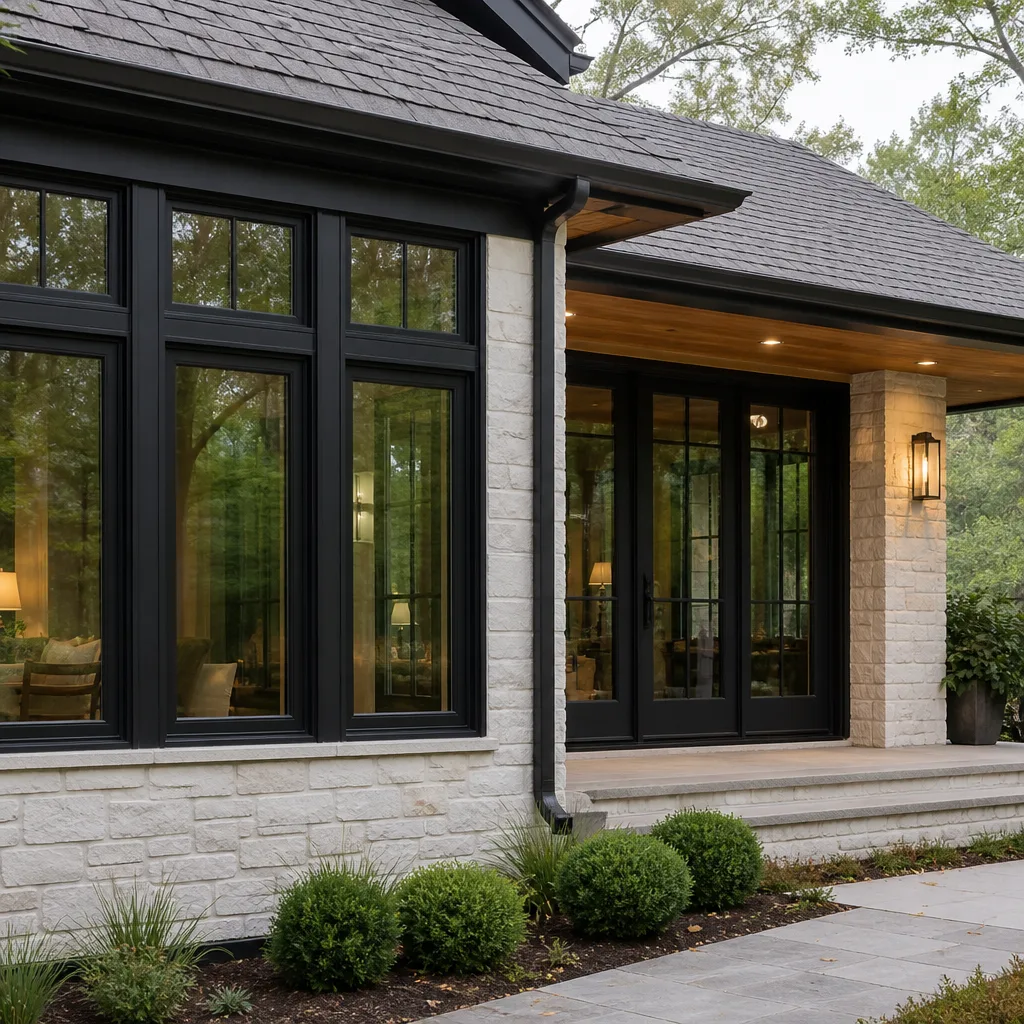
Entry doors typically land between $1,200 and $4,500 installed. That range spans a steel entry door at the low end up through fiberglass and premium wood-composite systems at the top. Therma-Tru is where we see the widest swing in value here because their line covers steel, fiberglass and architectural systems, so a homeowner can land anywhere from a solid, insulated everyday door to a designer door with sidelites and a transom in the same product family.
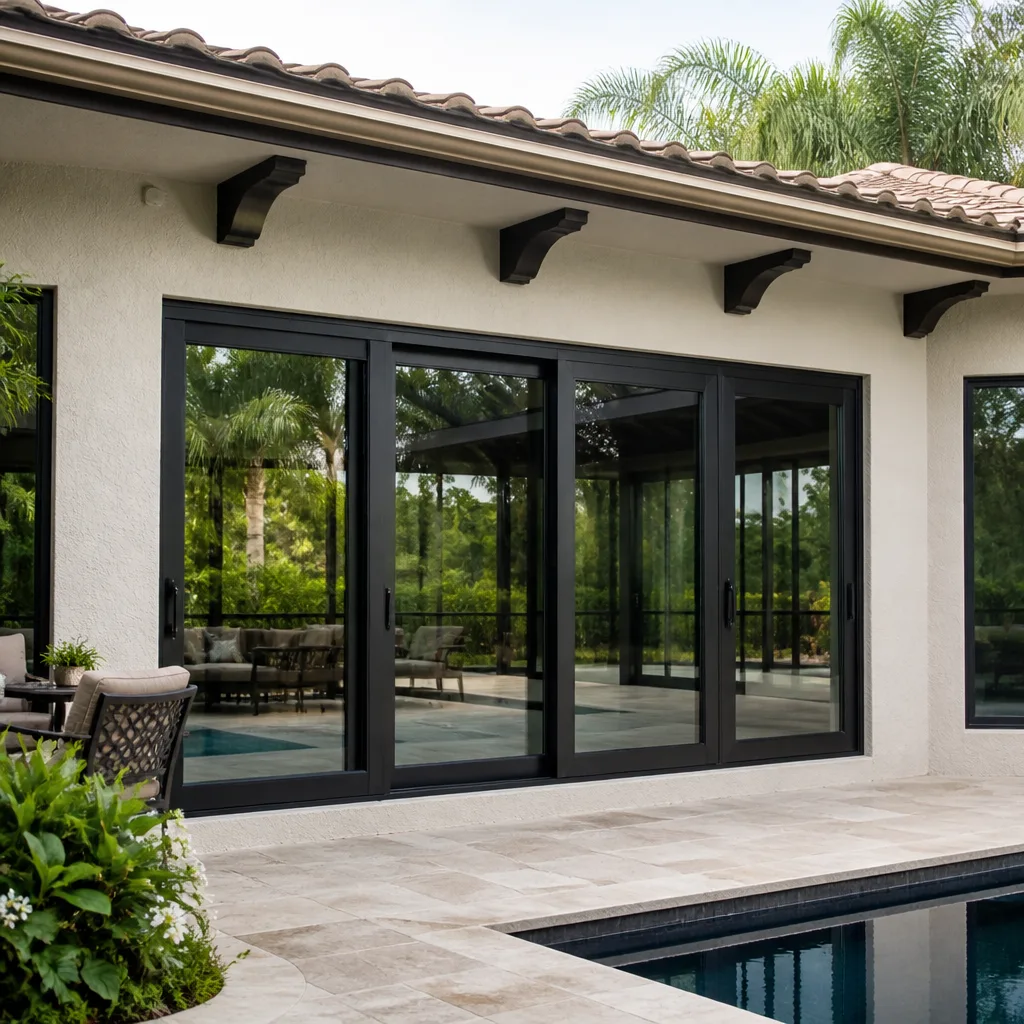
Patio sliders typically run $1,800 to $5,500 installed. Width is the driver. A 6-foot two-panel slider sits at the bottom, a 12-foot multi-panel slider at the top, and impact glass pushes every size up by a tier.
French doors typically run $2,500 to $7,000 installed. The higher floor is not about the product, it’s about the installation complexity. French doors hinge in pairs, which means both jambs need to be set dead plumb and parallel or the doors rub and never seal right. Headers over a French door are usually larger because the opening is wider, so header work or reinforcement shows up more often than it does for an entry door.
What separates these three in the field:
- Door weight and handling. French and wide sliders require multiple installers and more time to set accurately.
- Opening prep. Doors are more sensitive to out-of-square openings than windows.
- Hardware. Multi-point locks, hinges, and trim add real cost.
- Exterior sealing. Doors carry higher weather-exposure demands at the sill and threshold.
- Finish details. Interior and exterior casing for doors is usually more elaborate than window trim.
Full exterior envelope replacement, meaning windows and doors together under one contractor, is a scope we handle in a single project because we carry both leading impact window brands and Therma-Tru doors. If you’re planning both in the same year, it’s worth pricing them together because access, staging and disposal costs share across the project.
How to Evaluate Competing Quotes Line by Line
Comparing quotes in Whitney is a skill, and it’s the one that most reliably protects your budget. The right comparison is scope to scope, not total to total. A lower total that excludes exterior finish repair or rough opening prep is not a cheaper bid; it’s an incomplete one that will grow.
Run every quote through these checks:
- Is the product named? The series and glazing package should be explicit. “Premium double-pane” is not a specification.
- Are the quantities right? Count the openings and operables against the quote line by line.
- Is rough opening prep its own line? If it’s zero dollars on every opening, ask how the contractor will handle a rotted sill or embedded frame.
- Is exterior finish repair listed? On stucco homes this is the most expensive omission. It should be a line, even if the estimate is conditional.
- Is disposal included? Glass separation and hauling are real costs.
- Is the header condition addressed? If reinforcement is likely, the quote should say how it will be priced.
- Are permits and inspections accounted for? Most cities require a permit for window and door replacements that change the rough opening. Ask whether the contractor pulls it and what it costs.
- Is the price fixed? A written estimate with fixed pricing and no change orders unless you approve a scope change is the standard we hold to.
The pattern is simple. A quote that shows five scopes and a product series is honest. A quote that shows one number is either padded or incomplete, and you can’t tell which without the line detail. Request the breakdown before you sign anything.
Common Mistakes to Avoid
- Comparing totals between quotes instead of scopes. Two quotes with a $3,000 difference are not the same project if one omits exterior finish repair. Ask for each quote to list all five scopes before you compare numbers.
- Assuming the wall is simple. Many Whitney homes have stucco exteriors and embedded aluminum frames that add significant labor once the wall is open. Ask your contractor to walk the opening condition with you before signing.
- Choosing a product tier before you’ve seen the trade-offs. Impact glass and energy-efficient glazing are both legitimate choices, and they price differently. See them in actual dollars side by side.
- Ignoring header condition on wide openings. Large picture windows, patio sliders and French doors all need header support. If a quote doesn’t address it, that cost will appear later.
- Skipping the permit because it’s “just a window.” Many cities require a permit when the rough opening changes or when structural elements like headers are involved. Skipping it can complicate resale and inspection later.
- Taking a quote from a generalist who installs windows occasionally. Window and door installation has its own tolerances, flashing methods and product specifics. A specialist sees the same patterns across Whitney homes and prices them realistically.
- Assuming a low base price covers the whole job. That $400 figure almost always reflects product only. Once labor, prep, finish repair and disposal are added, the installed price is a different number. Budget on installed cost, not product cost.
See the difference
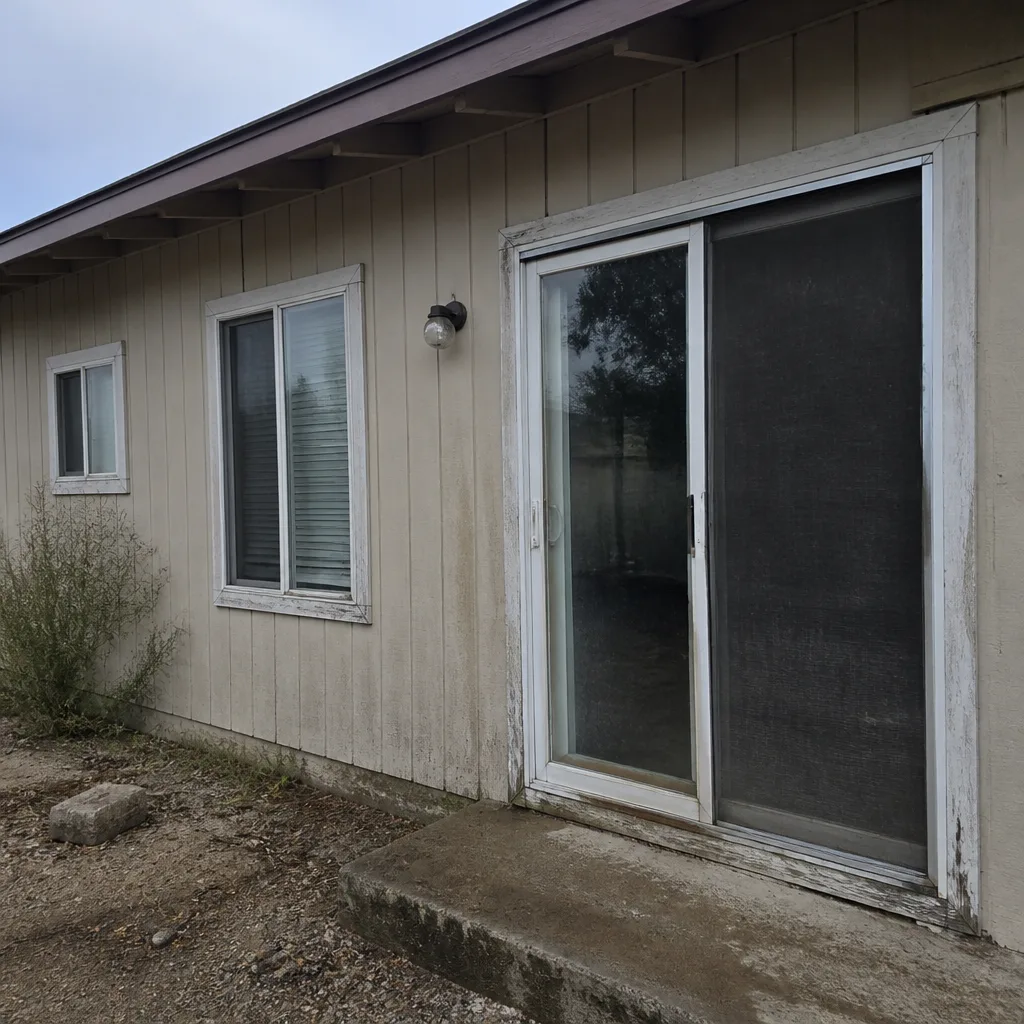 Before
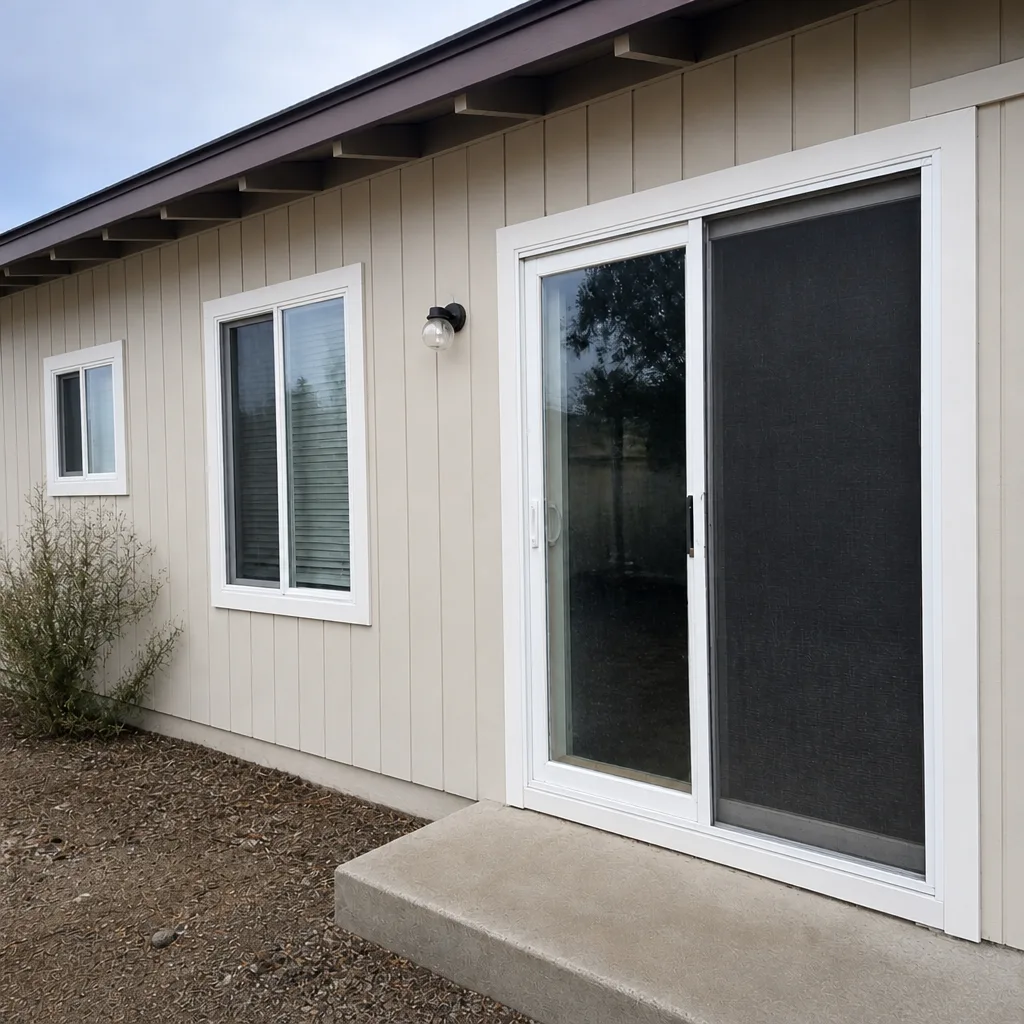 After
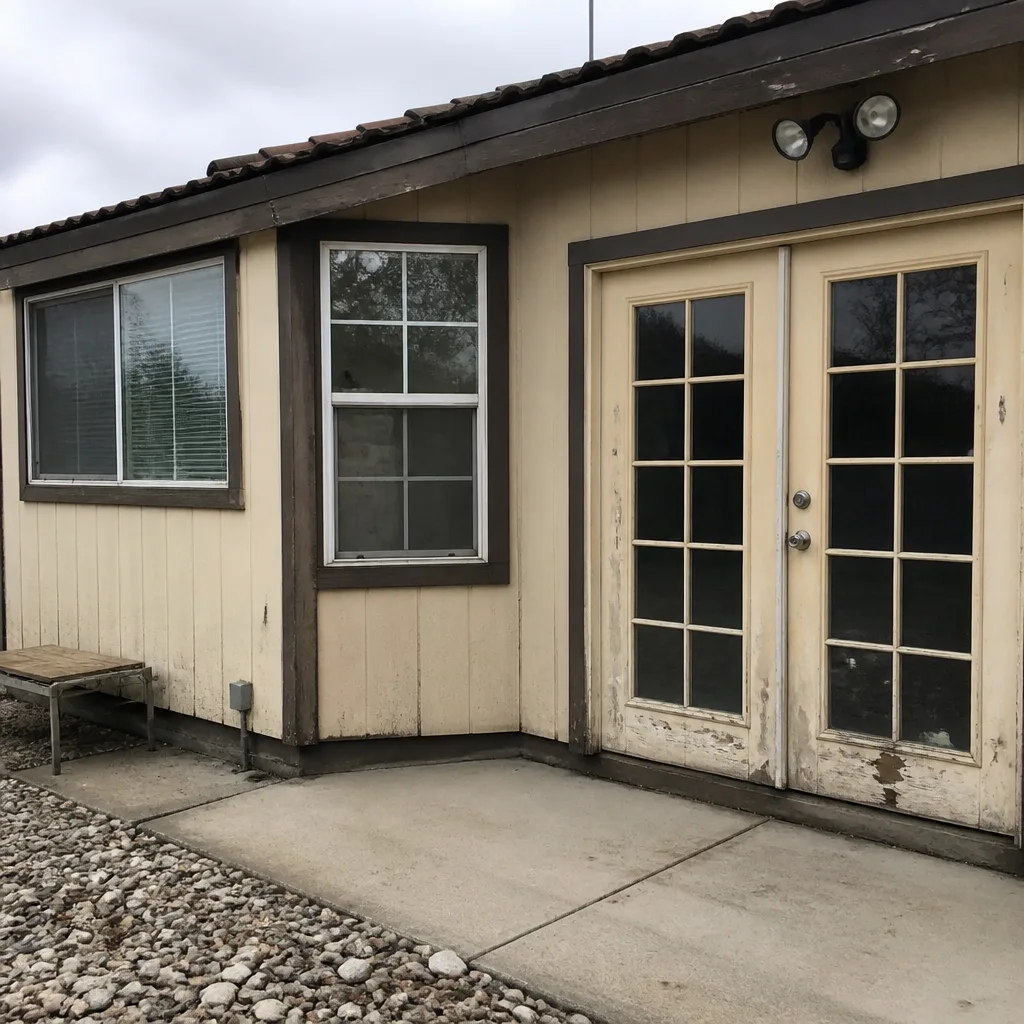 Before
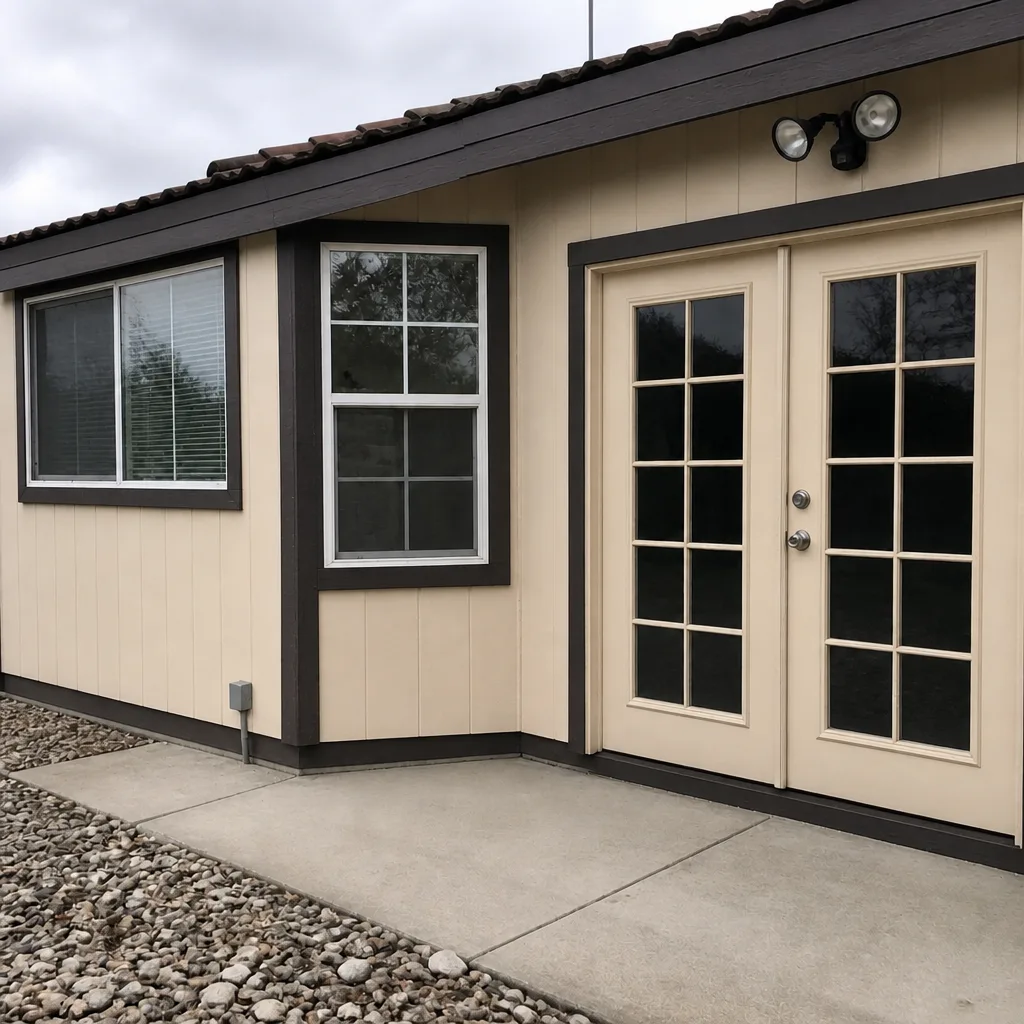 After
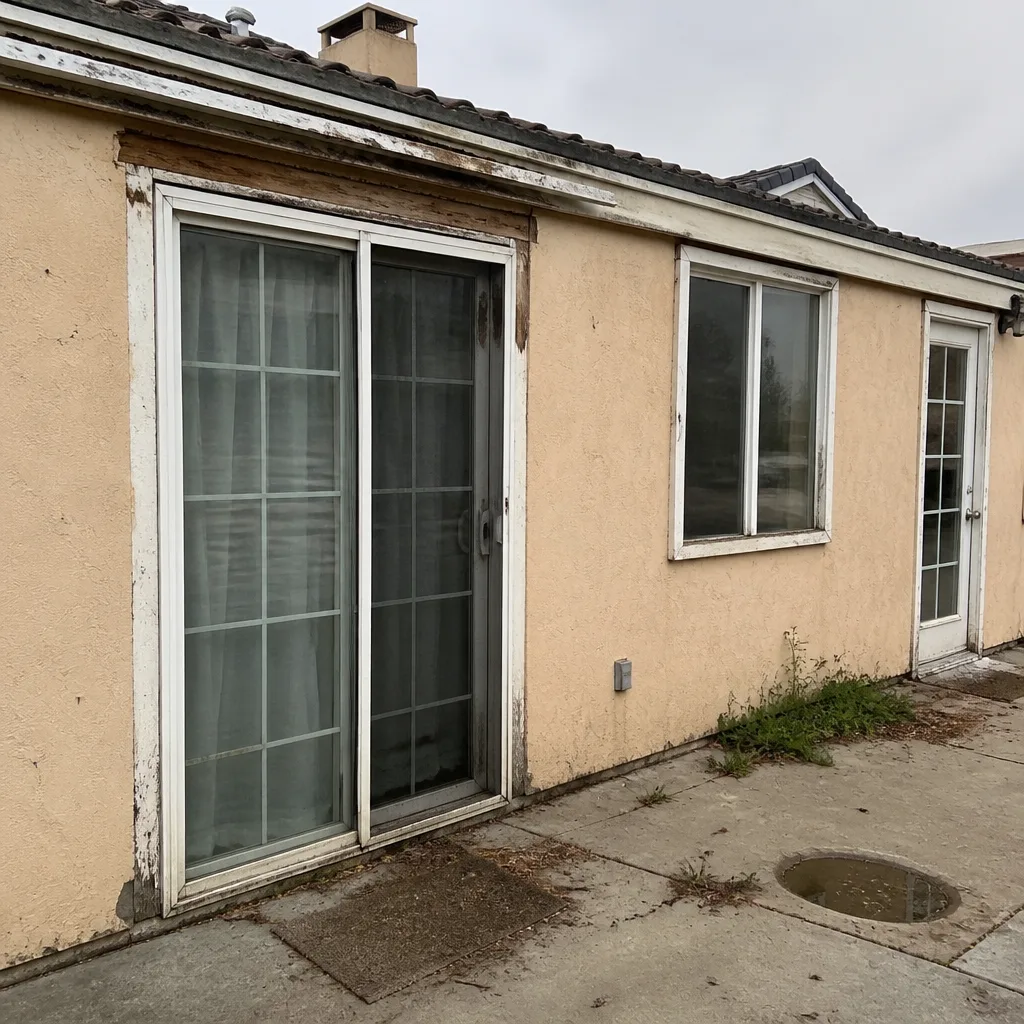 Before
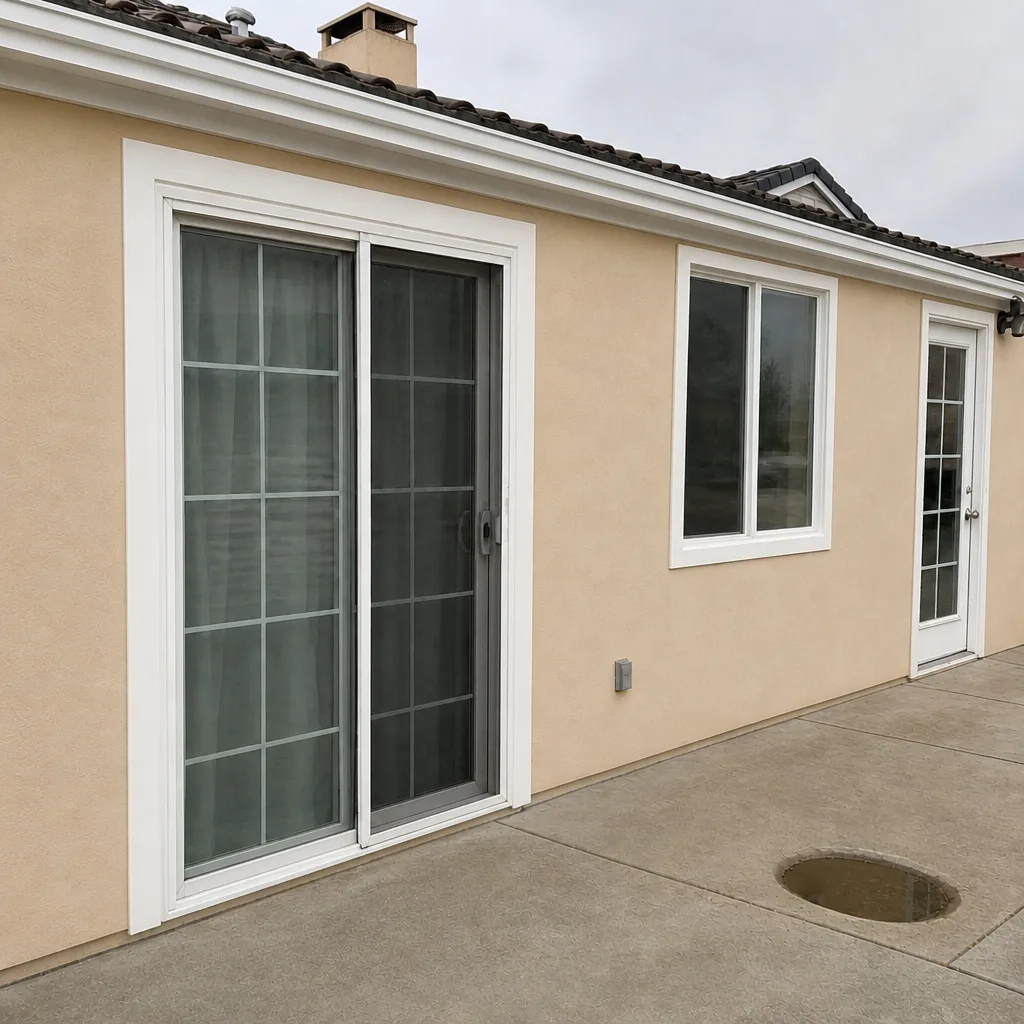 After
When to Call a Professional
Call a professional when the opening needs anything beyond a simple like-for-like swap: an embedded aluminum frame in stucco, a rotted sill, a header that’s out of level, a patio door or French door that never sealed right, or a window project where the exterior finish has already started to fail around the frame. Call when you’re planning full exterior envelope replacement and want one contractor coordinating windows and doors on the same schedule. Call when your quote has a lump sum and no line detail and you need someone to help you read it. Whitney Windows & Doors offers free estimates in Whitney – call (844) 722-8594. We answer 24/7. Fast dispatch from 7am to 7pm, Sunday through Friday.
Frequently Asked Questions
A standard replacement window in Whitney typically runs about $550 to $1,400 installed per unit, and a premium impact-rated or architectural unit runs $1,800 to $3,200 installed. Rough opening prep, exterior finish repair and disposal are separate scopes that can add 40% to 60% on stucco homes with embedded original frames. Call (844) 722-8594 for an exact quote – estimates are free.
Not if the written estimate is complete. We price the five scopes up front – product, labor, rough opening prep, exterior finish repair and disposal – and hold to that written figure with no change orders unless you approve a change in scope. When we open a wall and the framing is different from what we priced, we stop, document, and show you the change before any extra work proceeds. Call (844) 722-8594 for a written free estimate.
Yes, when a permit is required for your project. Many cities require a permit when the rough opening changes or when structural elements like headers are involved. We pull the permit as part of our scope and coordinate the inspection, so it’s one less thing you’re managing. To find out what your specific project needs, call (844) 722-8594 for a free estimate.
A single frame-in-frame replacement window usually takes about half a day to a full day per unit once we’re on site, and a full-home project of a dozen or more windows is typically a multi-day installation. Full tear-out and reframe jobs take longer because of stucco cutting, flashing and finish repair. Your written estimate should give you an expected timeline for your specific scope. Call (844) 722-8594 to schedule a free estimate.
An entry door is bigger, heavier, more hardware-dependent and more sensitive to opening square, so it carries more labor and more finish detail than any single window. A steel Therma-Tru entry door may land near the low end of the $1,200 to $4,500 installed range, while a fiberglass system with sidelites runs toward the top. Patio doors run $1,800 to $5,500 installed, and French doors $2,500 to $7,000. Call (844) 722-8594 for an exact quote – estimates are free.
Yes. We carry both impact-rated window lines and premium door lines, so a homeowner replacing windows and doors together works with one contractor and one schedule. That single-trade focus means the window installation and door scopes both get the same technical attention, and access, staging and disposal costs share across the project. Call (844) 722-8594 for a free estimate on a combined scope.
The Bottom Line
Product price is the visible half of a window or door budget. The other half is labor, rough opening prep, exterior finish repair and disposal, and in Whitney’s housing stock that half can add 40% to 60% to the product line. Compare quotes on all five scopes, not on totals. Ask for the product series by name, the quantities line by line, and an explicit position on stucco repair, header condition and permits. Budget on installed price, not on the number in a manufacturer’s brochure. Then ask a specialist to walk the openings before you sign. A written estimate with fixed pricing and no change orders is the baseline. Anything less is a guess with a dollar sign in front of it.
Get a Free Estimate
Whitney Windows & Doors specializes in window replacement, window installation and door installation – and that focus is why we can quote a window or door in Whitney with confidence in the number. Eight trusted brands. One installation team. We carry competing lines because your project deserves the best fit, not the easiest sell, including impact-rated and energy-efficient lines from CWS, ES Windows and ECO Window Systems. Licensing and insurance details are confirmed at the estimate. Call (844) 722-8594. We answer 24/7. Fast dispatch from 7am to 7pm, Sunday through Friday. Free estimates, written line-item quotes, and a written price that holds.
For more on our full scope, see Whitney Windows & Doors.
Written by the team at Whitney Windows & Doors.