Last updated November 18, 2026
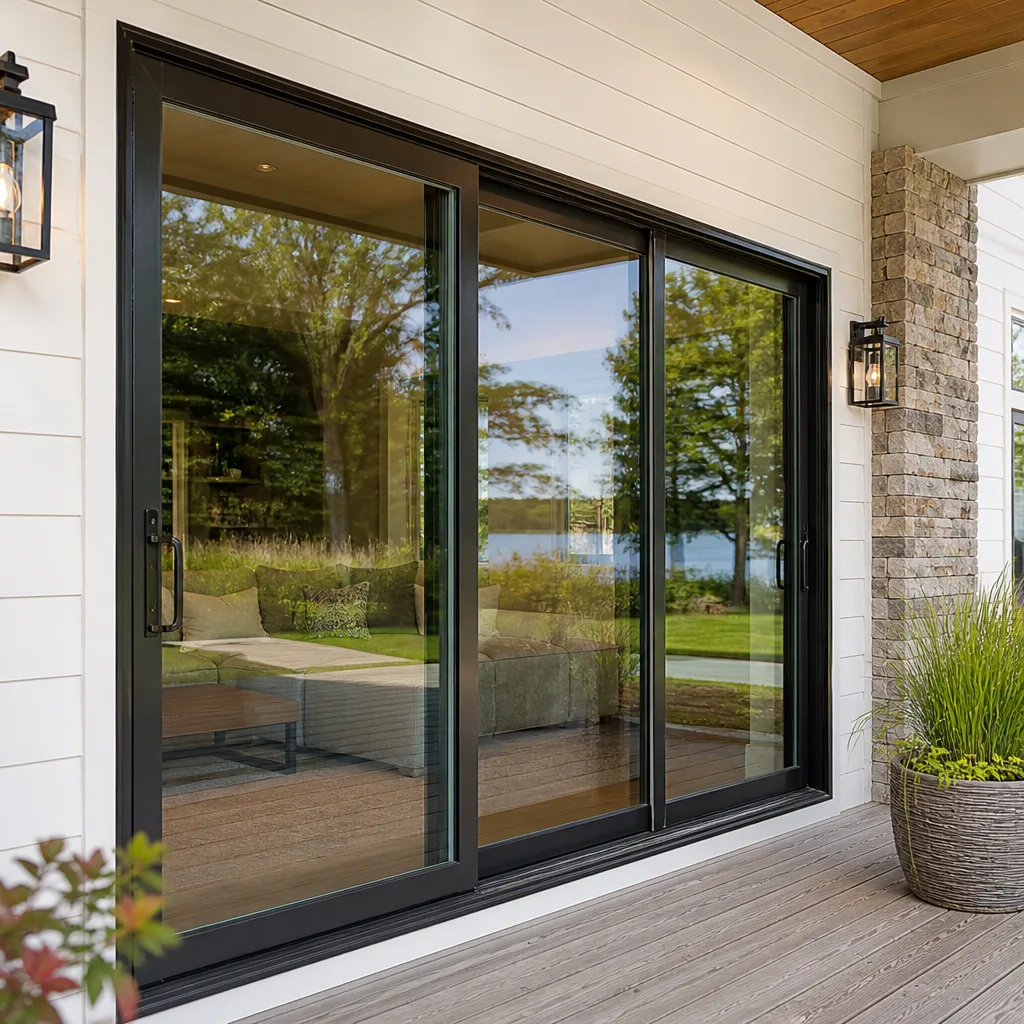 Sliding glass doors
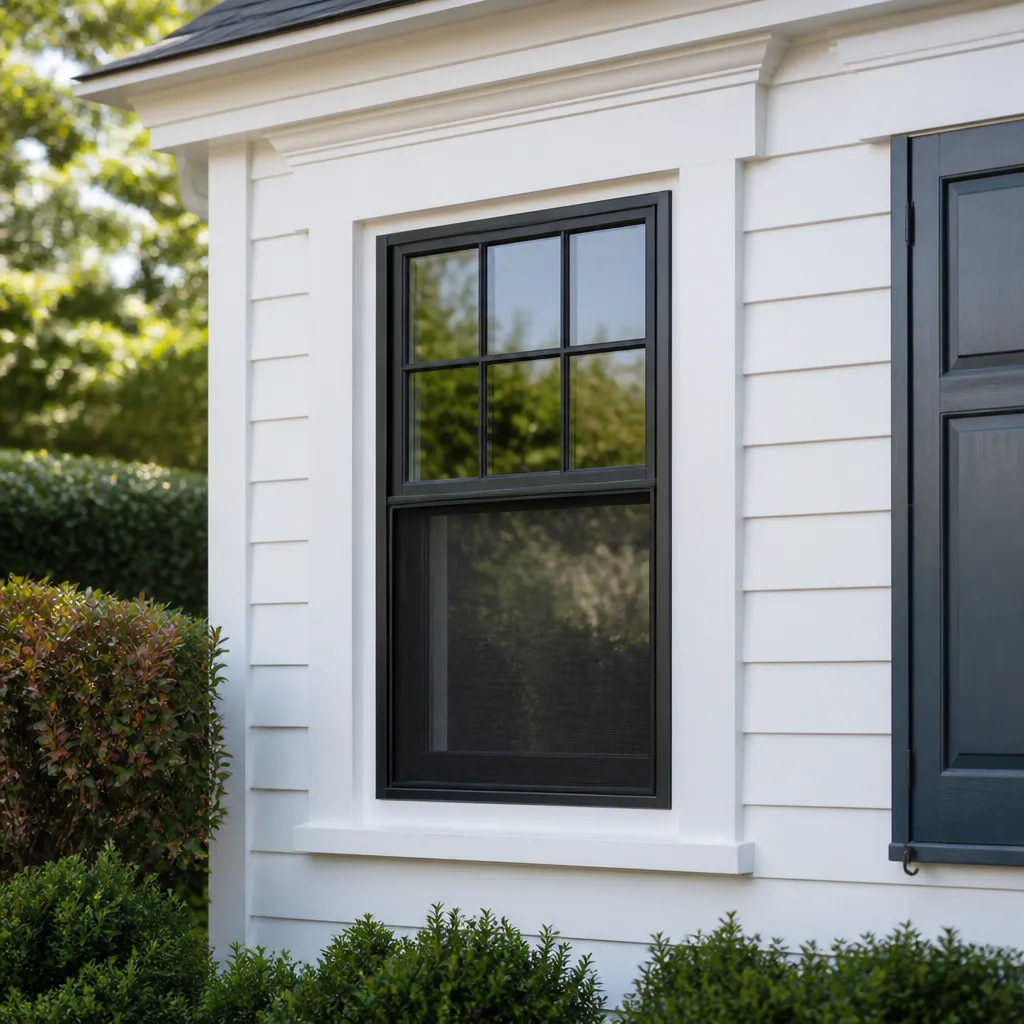 Single hung
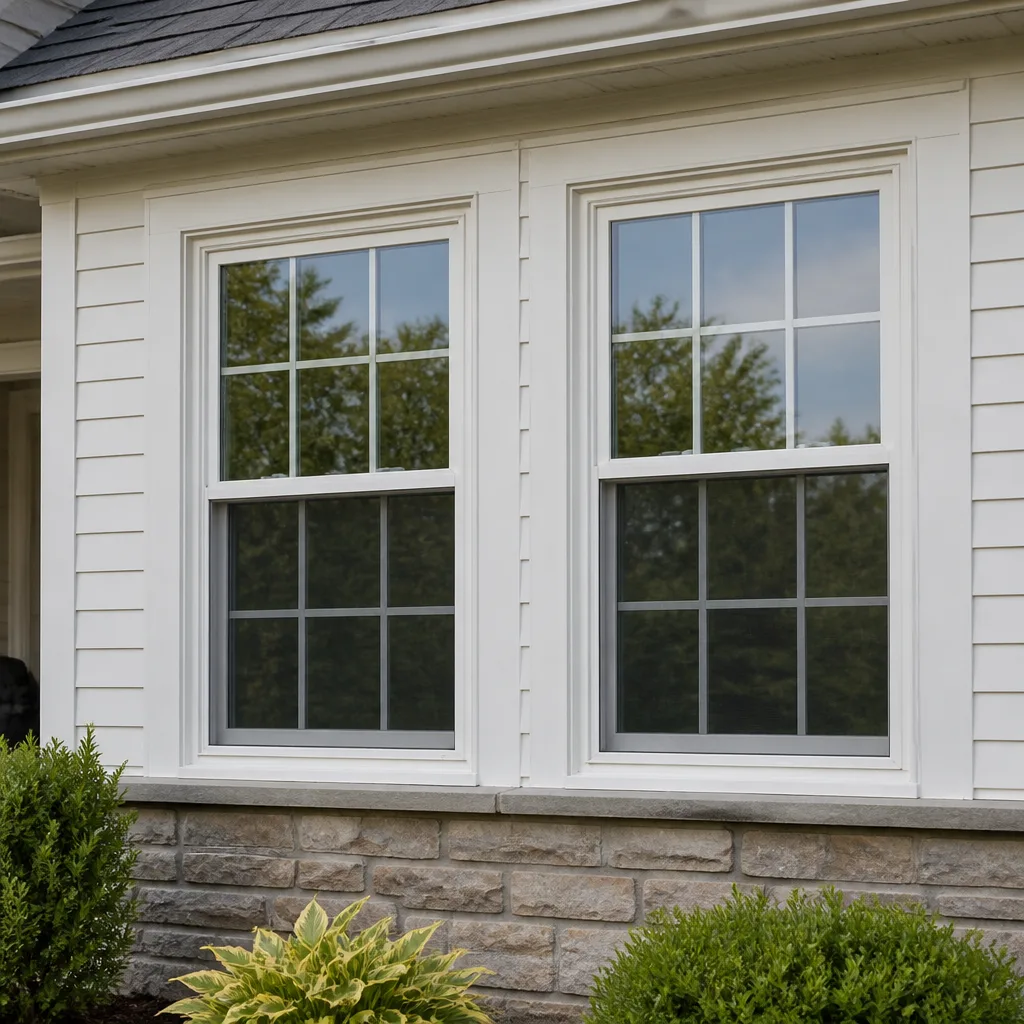 Double hung
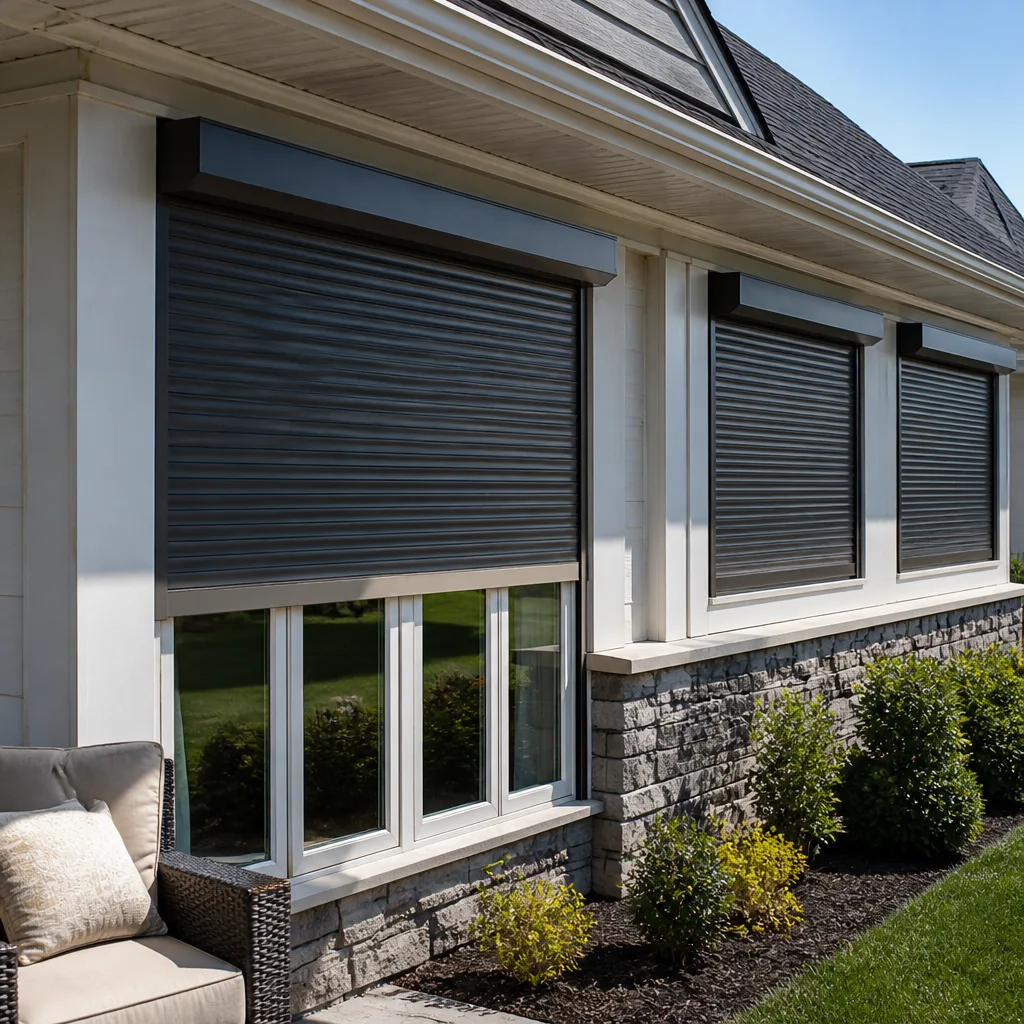 Horizontal roller
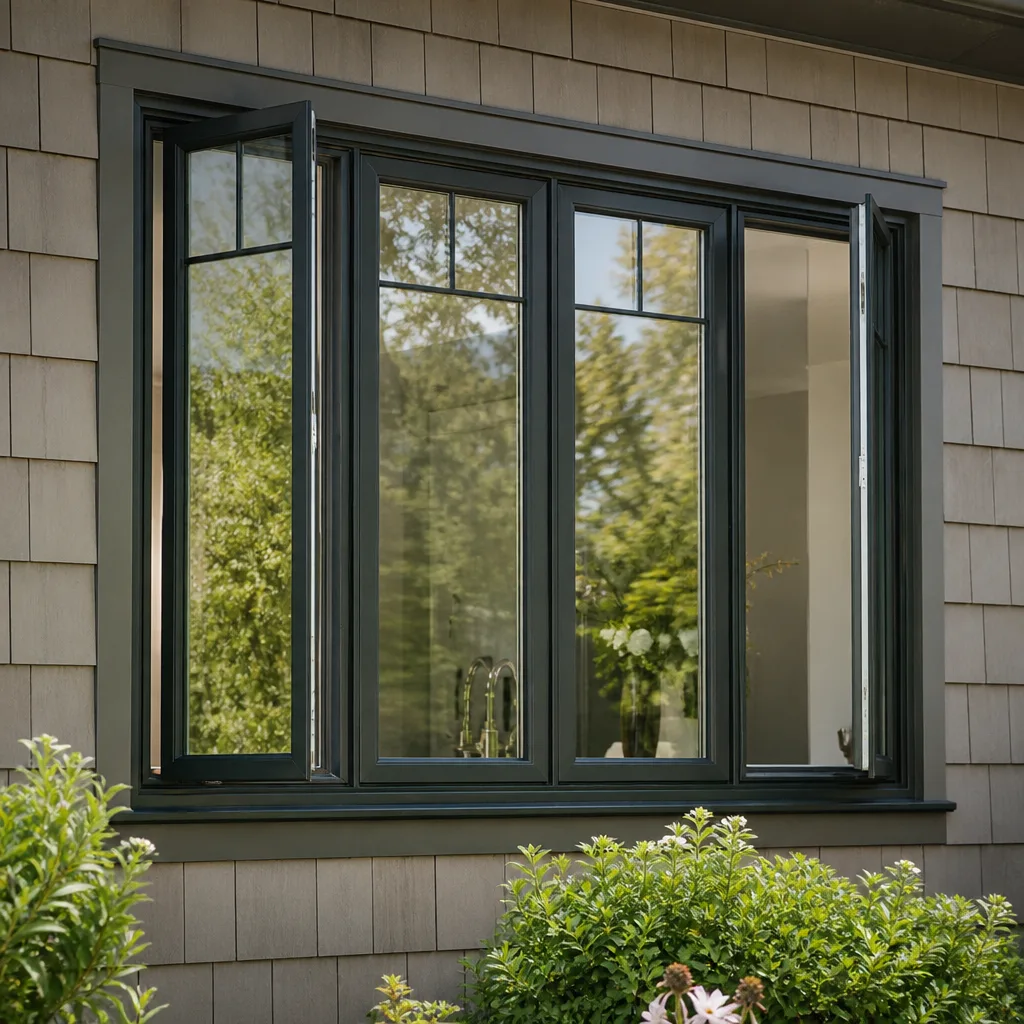 Casement
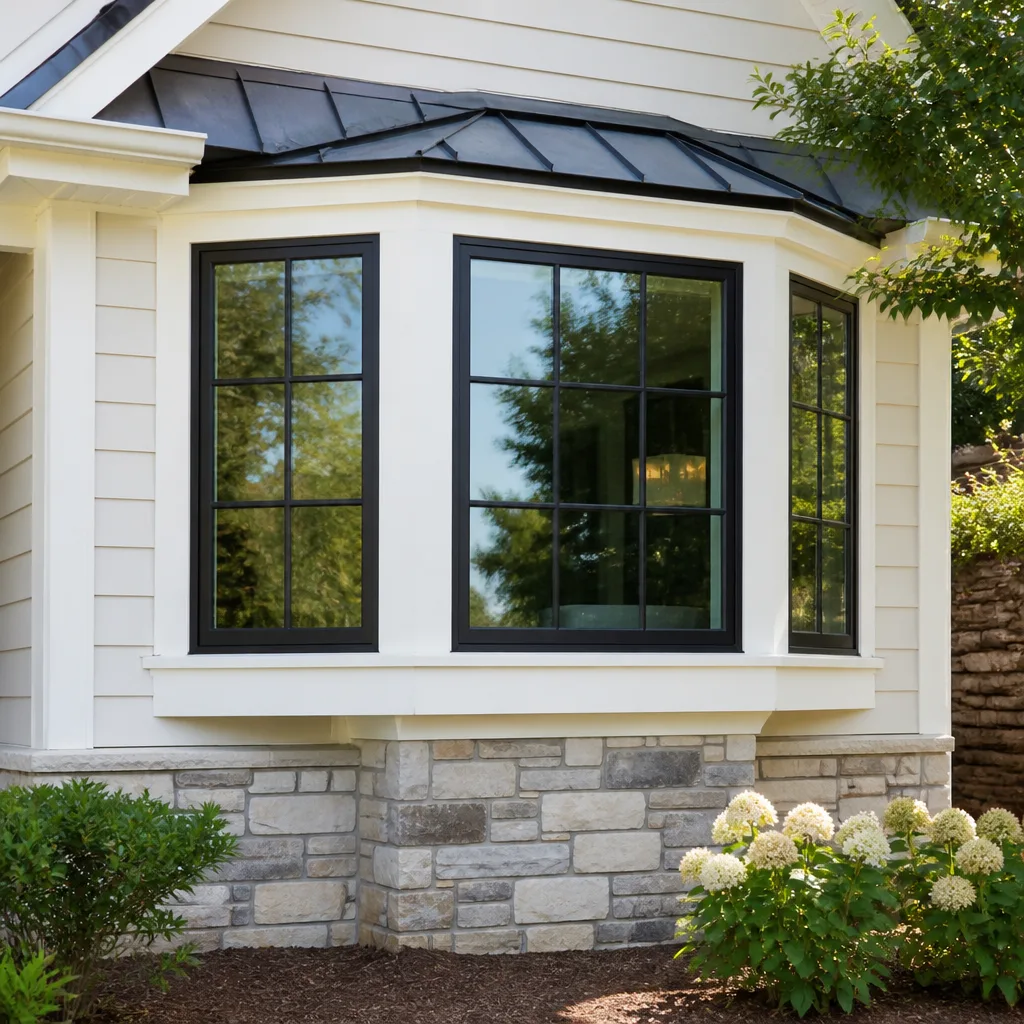 Bay & bow
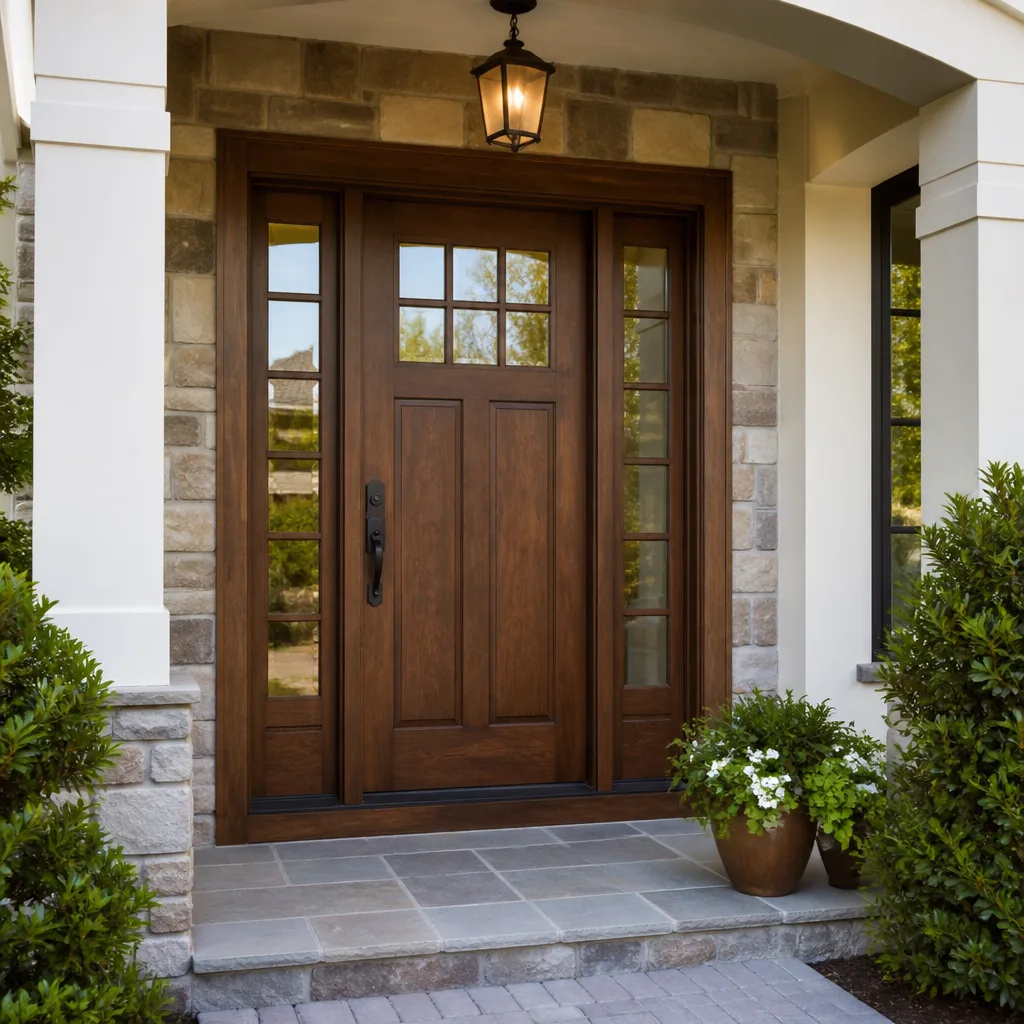 Entry doors
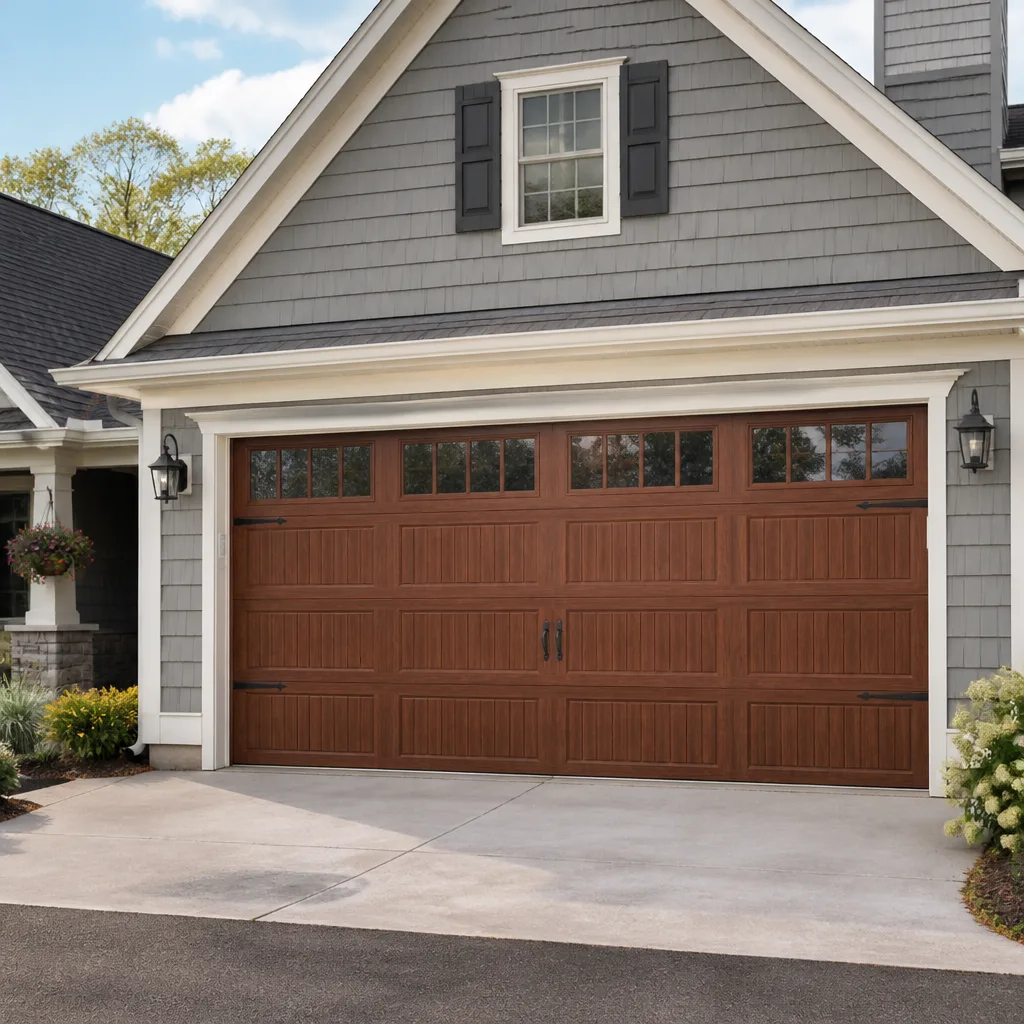 Impact garage doors
 PGT
 CGI
Free in-home measure and quote - PGT, CGI and CWS impact lines compared on your actual openings, style by style
Get your free estimateWindows & Doors Emergency Preparedness Guide for Whitney Homes
Most home emergency guides are written for places that get hurricanes, blizzards, and tornadoes. Whitney is not one of those places. Our emergencies look different: a week of 110°F heat that pushes the grid past its limit, a sudden high-wind event that hurls gravel and palm fronds across a neighborhood, a wildfire season that fills the valley with smoke for days at a time. In each of those scenarios, your windows and doors are the first line of defense and the first place a home fails. This guide covers how to prepare the openings in your house for the emergencies that actually happen in Whitney, what to check after one passes, and which upgrades do double duty as everyday improvements and emergency protection.
Quick Answer
Prepare your Whitney home for heat, wind, and smoke emergencies by sealing air leaks at windows and doors, upgrading weatherstripping and hardware on the assemblies you use most, and knowing exactly what to inspect after a wind event or dust storm. The single highest-value step is a professional assessment of door and window sealing: a properly sealed assembly buys real time during a power outage and keeps smoke out when the air quality drops. Our technicians have up to 11 years of experience with exactly this kind of work.
Styles & brands we work with
- Single hung
- Double hung
- Horizontal roller
- Casement
- Bay & bow
- Sliding glass doors
- Entry doors
- Impact garage doors
- PGT
- CGI
Table of Contents
- The Three Emergencies Whitney Homes Actually Face
- Heat and Power Outages: Sealing Windows and Doors to Slow Heat Gain
- Wildfire Smoke Infiltration: Where It Gets In and How to Stop It
- High-Wind Preparation for Whitney and Clark County Homes
- Post-Emergency Inspection: What to Check After Wind, Dust, or Heat
- Upgrades That Work Every Day and in an Emergency
- Building a Window and Door Emergency Kit
- Common Mistakes to Avoid
The Three Emergencies Whitney Homes Actually Face
Whitney sits in the Las Vegas Valley, which means the threats we prepare for are heat, wind, and smoke rather than the storms that dominate national preparedness content. Understanding which threats are likely matters, because it tells you where to spend your effort and money. Preparing for a hurricane in Whitney is wasted work. Preparing for a three-day blackout in July is not.
The heat threat is the most likely and the most underappreciated. During the July 2023 heat events, homes across the Las Vegas Valley with compromised door seals and single-pane glass saw interior temperatures climb faster during power outages than neighboring homes with properly sealed assemblies. That gap is the margin between an uncomfortable afternoon and a genuine medical emergency for infants, elderly residents, and anyone with a health condition that makes heat dangerous. Whitney homes built in earlier decades often still have original single-pane windows and worn door sweeps, which puts them at the wrong end of that gap.
The wind threat is real but misunderstood. Whitney does not get hurricane-force sustained winds, but the valley does get sudden high-wind events, dust storms, and gusts strong enough to drive debris into glass and rip a screen door off its track. Multi-point locks, proper weatherstripping, and impact-rated glass all change how a house handles those events.
The smoke threat arrives with wildfire season. When fires burn in the mountains and the valley fills with smoke, the gaps around your exterior doors and the weep holes in your window frames become the infiltration points that let it inside. Whitney homeowners who have weathered a smoke event know how quickly a house that seemed sealed starts to smell like the outdoors.
- Heat and power loss: the most statistically likely emergency in Whitney, and the one your windows and doors most directly affect.
- High wind and dust: sudden, short-duration events that test hardware, screens, and glass.
- Wildfire smoke: seasonal air quality events that find every leak in your building envelope.
Heat and Power Outages: Sealing Windows and Doors to Slow Heat Gain
When the grid goes down in July, your house becomes a thermal box, and the question is how fast it heats up inside. Windows and doors are where most of that heat comes in. Sealing them well does not make a blackout comfortable, but it buys hours, and hours are what matter when the outdoor temperature is above 100°F and you cannot run the air conditioning.
Heat enters through windows and doors in three ways. Radiant heat passes directly through glass, especially single-pane glass and older dual-pane units with failed seals. Conducted heat moves through the frame itself, particularly aluminum frames without a thermal break. Air infiltration moves hot outdoor air through gaps around the sash, the frame perimeter, and door edges. Sealing addresses the third path directly and reduces the other two by keeping hot air from circulating against the interior surfaces.
Here is how a Whitney homeowner can assess and improve sealing to slow heat gain, in order of impact:
- Check the door sweep and threshold. Run a hand along the bottom of every exterior door on a hot afternoon. If you feel warm air moving, the sweep is worn or the threshold is out of adjustment. Replacing a worn sweep is one of the highest-value, lowest-cost improvements you can make.
- Check weatherstripping at the jambs and head. Look for compressed, cracked, or missing weatherstripping around the door perimeter. Foam and vinyl types degrade fastest in desert heat, so inspect them at the start of every summer.
- Check window sash seals. On sliding windows, the meeting rail and the ends of the sash have weatherstripping that flattens over time. On double-hung windows, check the parting bead and the sides of the moving sash.
- Seal the frame perimeter. The gap between the window or door frame and the rough opening is often the biggest leak in the assembly. Interior caulk plus exterior sealant at the frame edge stops air from moving through the wall cavity around the unit.
- Address glass performance. Low-E coatings and dual-pane construction reduce radiant heat gain significantly compared with single-pane glass. If your windows are original to a 1980s or 1990s Whitney home, this is where the biggest improvement is available.
This is the kind of work our technicians do every day, and it is why we focus only on windows and doors rather than spreading across every trade. When we assess an assembly, we are not guessing about where the air is coming from. We know the product lines, the frame types, and the failure points that show up in this climate. For a deeper look at the options available, see our window replacement page.
A note on safety: if your home loses power during extreme heat, treat the interior temperature as a genuine hazard, not an inconvenience. Move vulnerable family members to a cooled location, and do not attempt to cool a room by opening windows when the outdoor air is hotter than the indoor air. That makes the problem worse.
Wildfire Smoke Infiltration: Where It Gets In and How to Stop It
When smoke settles over the valley, the gaps around your windows and doors are the difference between a house that stays livable and one that drives you outside looking for cleaner air. Not all gaps are equal. Some let in a little, and some are essentially open doors for smoke particles.
The highest-infiltration points in most Whitney homes, in order of how much smoke they let in:
- The gap under exterior doors. A worn or missing door sweep is the single biggest smoke entry point in most homes. It is also the easiest to fix.
- Sliding door tracks and the meeting rail. Sliding glass doors have a long perimeter and a track that is hard to seal completely. They leak both air and smoke.
- Weep holes and drainage slots in window frames. These small openings allow water to escape but also let air and smoke in. They are a normal part of frame design and should never be permanently blocked, but they can be covered temporarily during a smoke event.
- Window sash weatherstripping along the moving parts. The sash edges and meeting rails on operable windows wear first and leak most.
- Gaps at the frame perimeter where caulk has failed. Exterior caulk cracks in the desert sun, and once it cracks, it stops sealing.
Temporary sealing during a smoke event is straightforward if you have the right materials on hand. Painter’s tape along the perimeter of a door or window, closed-cell foam strip in a door gap, or a rolled towel drafting along the bottom of a door all reduce infiltration without damaging finishes. Do not use duct tape on painted or finished surfaces, and do not attempt to permanently block weep holes, because they exist for a reason.
The longer-term answer is weatherstripping that actually returns to shape and hardware that pulls the door tight against its seal. This is where a quality entry door system earns its keep. We install Therma-Tru doors specifically because their sealing systems are engineered for the full perimeter of the door, not just the sweep. Whitney Windows & Doors is the place to start if you want to understand what is available across the full range of assemblies.
High-Wind Preparation for Whitney and Clark County Homes
High-wind events in the valley are short and sudden. The preparation is mostly about making sure the assemblies on your home stay attached, stay closed, and stay intact when the wind arrives. A screen door that rips off its closer in a gust is a real hazard, and so is a window that fails because the sash hardware was worn.
Before wind season, and any time a high-wind warning is issued, work through this checklist:
- Test every screen door closer and latch. Screen and storm doors are the most vulnerable assembly on most homes. Make sure the closer works and the latch actually catches. A door that flaps in the wind can tear loose from its hinges.
- Lock every operable window and door. On multi-point locking systems, engage every point, not just the handle. A locked window is significantly more resistant to wind pressure and debris than one that is simply closed.
- Clear loose objects from patios and yards. Furniture, planters, and trash cans are what turn a wind event into broken glass. Move them inside or secure them to a wall.
- Check that screens and storm windows are seated. A screen that has worked loose from its spline can be pulled free by a gust. Re-spline or replace before the wind arrives.
- Inspect exterior caulking and sealant. Wind-driven dust and debris find every failure in the sealant line and make it worse. Replacing cracked sealant before wind season matters.
- Close drapes or blinds if a wind event is forecast. If glass does break, window coverings keep fragments from flying across the room.
Impact-rated glass is worth understanding in this context. A product like PGT impact glass or a ViewLux impact line is engineered to resist the kind of debris impact a high-wind event produces. For Whitney, this is not just a coastal-hurricane feature. It is a legitimate preparedness upgrade for a valley that sees regular dust storms and wind events. See our window installation page for the product and installation options available.
Safety note: if glass has cracked or broken, do not attempt to remove large shards or to re-glaze the unit yourself. Broken glass in a frame under stress can fail suddenly. Keep everyone clear of the area and call a professional.
Post-Emergency Inspection: What to Check After Wind, Dust, or Heat
What you do in the hours after a wind event, dust storm, or extended heat wave determines whether a small problem becomes a large one. Inspect in a systematic order, starting at the interior because that is where the earliest signs of failure show up.
Work through these steps after any significant event:
- Walk the interior perimeter of every exterior door. Look for daylight at the edges, water stains, or dust trails. Any of the three means the assembly has moved or the seal has failed.
- Check every operable window for smooth operation. If a window now sticks, rattles, or fails to latch, the frame or hardware may have shifted. Do not force it.
- Look for new cracks in glass. A chip near an edge after a wind event can turn into a crack within days. Check the corners and edges of every pane.
- Inspect exterior caulking for new gaps. Wind and sun are hard on sealant. Walk the exterior of the house and look for cracks, peeling, or open gaps at the frame perimeter.
- Check screens and storm panels. Look for bent frames, torn mesh, and popped splines. Repair or replace before the next wind event, not after.
- Check door hardware and hinges. After a wind event, confirm that every hinge, latch, and closer still operates properly. A door that no longer latches fully is a gap that will leak air and smoke.
- Check the weep holes. After dust storms, weep holes can become blocked with debris. Clear them so the frame can drain.
If you find something that needs professional attention, getting it looked at early is cheaper than waiting. A window that fails to latch this month will leak smoke next smoke season, and the repair will not get easier. That is the reasoning behind a free estimate: knowing the scope of a problem early saves money later.
Upgrades That Work Every Day and in an Emergency
The most sensible way to prepare for a Whitney emergency is to invest in assemblies that perform well on an ordinary Tuesday. Good windows and doors are not emergency equipment. They are everyday products that also happen to give you significant emergency protection as a side effect. These are the upgrades that pull double duty:
- Impact-rated glass. PGT, CGI, ES Windows, and ECO Window Systems all offer impact lines that resist flying debris, reduce radiant heat gain, and improve security. These are not single-purpose products.
- Dual-pane construction with Low-E coating. This is the baseline for heat gain reduction in Whitney. If your windows are single-pane, this is a meaningful and daily benefit that also determines how slow a power-outage heat gain is.
- Multi-point locking hardware on doors. Every additional locking point pulls the door tighter against its weatherstripping and makes it significantly harder to force. Fewer leaks, better security, and a better seal against smoke.
- Quality weatherstripping with a proper return. Foam and vinyl types degrade fast in desert heat. Better weatherstripping returns to shape after years of use and keeps the assembly sealed to a higher degree.
- A Therma-Tru entry door with a full-perimeter sealing system. Door systems are engineered to seal around the entire frame, not just at the bottom. The difference during a smoke event is significant.
- Quality glass and frame seals on window units from Mr-Glass and ViewLux. Sealed units that keep their seal longer resist heat gain better and last longer.
Whitney Windows & Doors carries eight brands on purpose. A single-manufacturer contractor will recommend the one product they sell, even when a different line would fit the home better. We carry competing lines because your project deserves the best fit, not the easiest sell. From impact-rated PGT to energy-efficient ECO Window Systems to Therma-Tru doors, we can walk you through every option and recommend the one that matches your home, your budget, and your emergency preparedness goals.
Our technicians have up to 11 years of experience with these products and this climate. That experience matters because desert heat is hard on materials in ways that other climates are not. Products that work in a mild climate sometimes fail faster here, and knowing which ones do is part of what makes an installation last.
Building a Window and Door Emergency Kit
Most emergency kits are built for earthquakes or hurricanes. Whitney’s version looks different. Keep these items on hand so you can act quickly when smoke, wind, or a heat event arrives:
- A roll of painter’s tape for window and door perimeter sealing during smoke events
- Closed-cell foam weatherstrip tape for temporary door gap sealing
- A couple of rolled towels for drafting under doors
- A battery-powered or hand-crank radio for outage updates
- Flashlights and spare batteries in every room
- Drinking water stored for heat events, enough for every person and pet for several days
- A hand-held thermometer to monitor interior temperature during an outage
- A note on where your main water shutoff and electrical panel are, kept somewhere you will find it in the dark
- Contact information for your window and door contractor
Review the kit at the start of every summer, because desert heat degrades tape and foam storage faster than most people expect. Replace anything that has dried out or lost its seal.
Common Mistakes to Avoid
- Treating hurricane-season advice as Whitney advice. Sandbags and plywood window covers are not the preparations that matter in Whitney. Focus on heat, wind, and smoke instead, because those are the emergencies you actually face.
- Opening windows during a heat outage. When the outdoor air is hotter than the indoor air, an open window raises the temperature. Keep windows and doors closed and shaded during a heat event, and focus your effort on keeping the assembly sealed.
- Permanently blocking weep holes. Weep holes exist so window frames can drain. Blocking them permanently traps water and damages the frame. Cover them temporarily during a smoke event if you must, and clear them afterward.
- Ignoring a broken door sweep for a season. A worn sweep is the biggest single infiltration point in most Whitney homes. It leaks heat in the summer, smoke during wildfire season, and dust during wind events. Fix it once and the improvement is immediate.
- Using duct tape on finished surfaces. It damages paint, finish, and sometimes weatherstripping. Painter’s tape does the temporary-sealing job without the cleanup problem.
- Assuming impact glass is only for coastal homes. Whitney gets wind events and dust storms that make impact-rated glass a real preparedness upgrade, not just a hurricane-zone product.
- Skipping the post-event inspection. A window that failed to latch after a wind event will not fix itself. Inspect early and repair before the next event arrives.
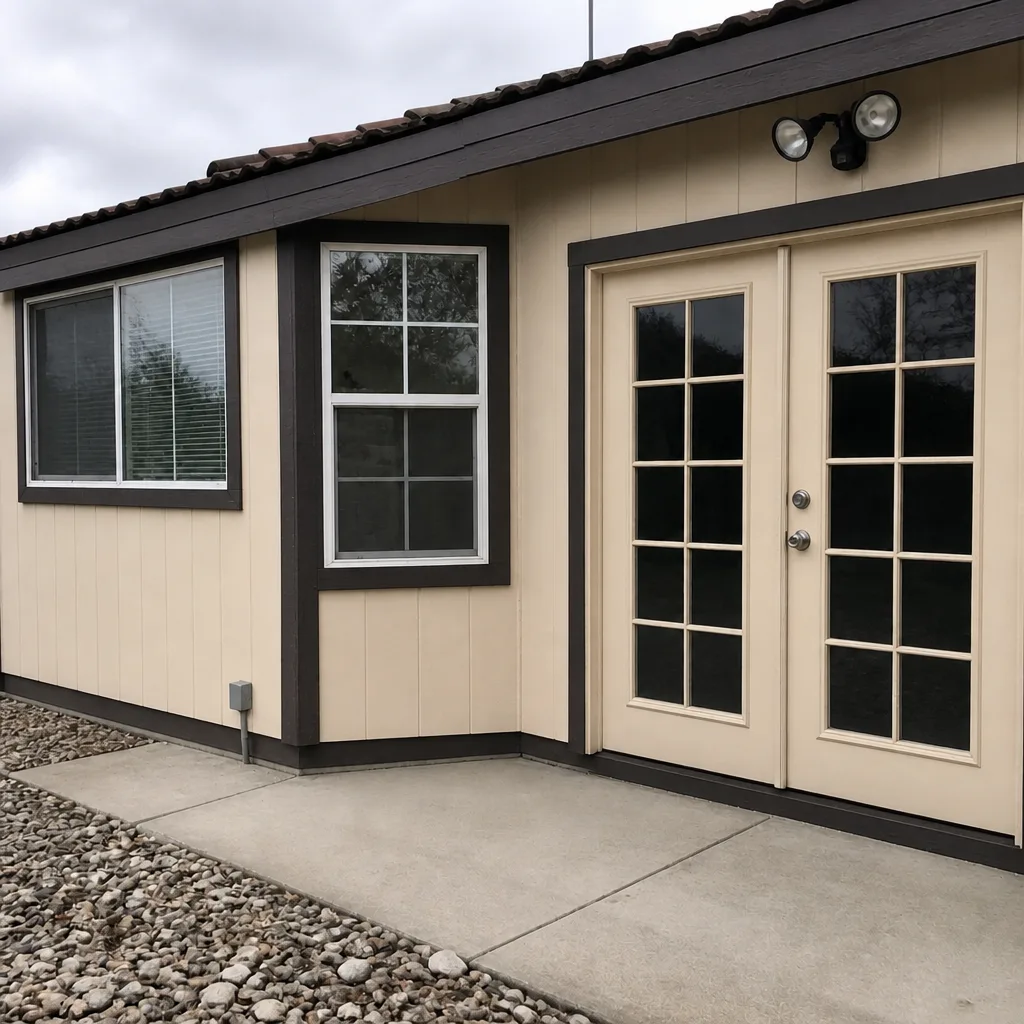
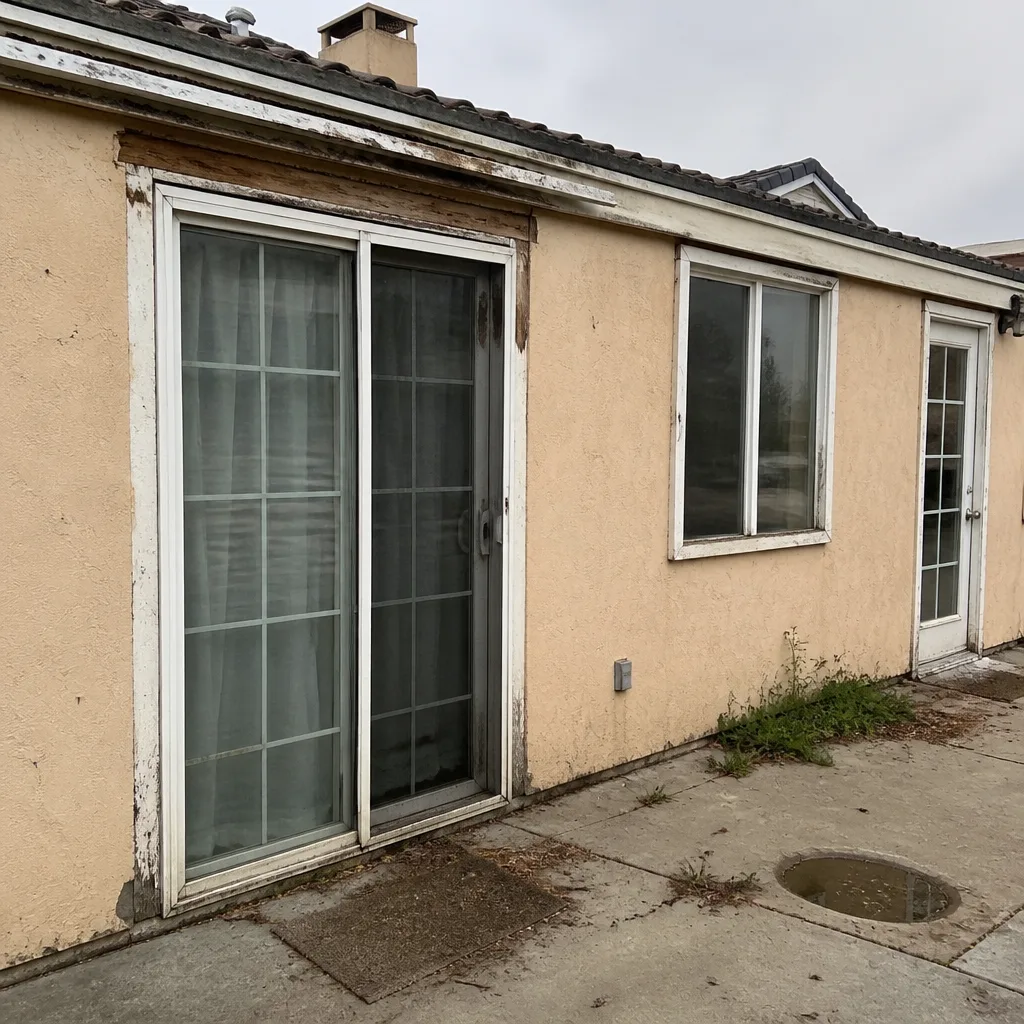
See the difference
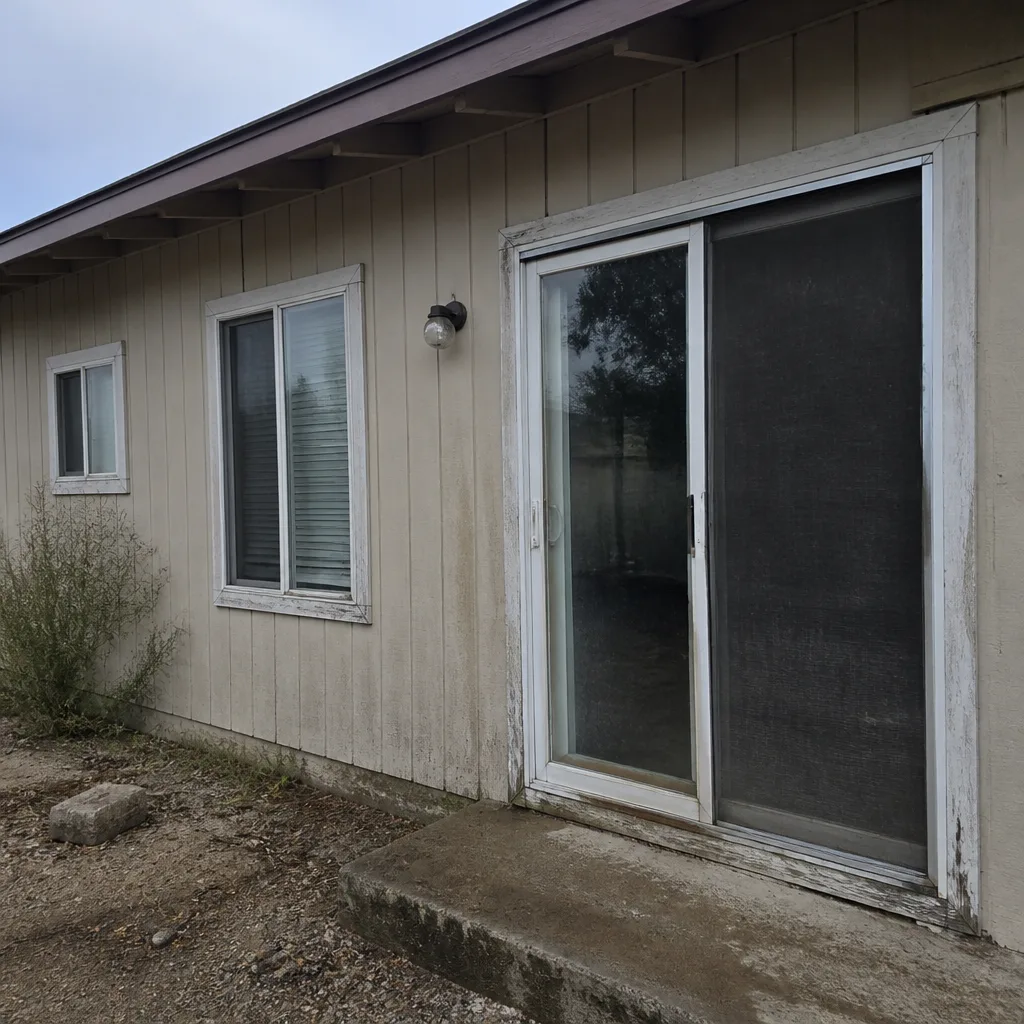 Before
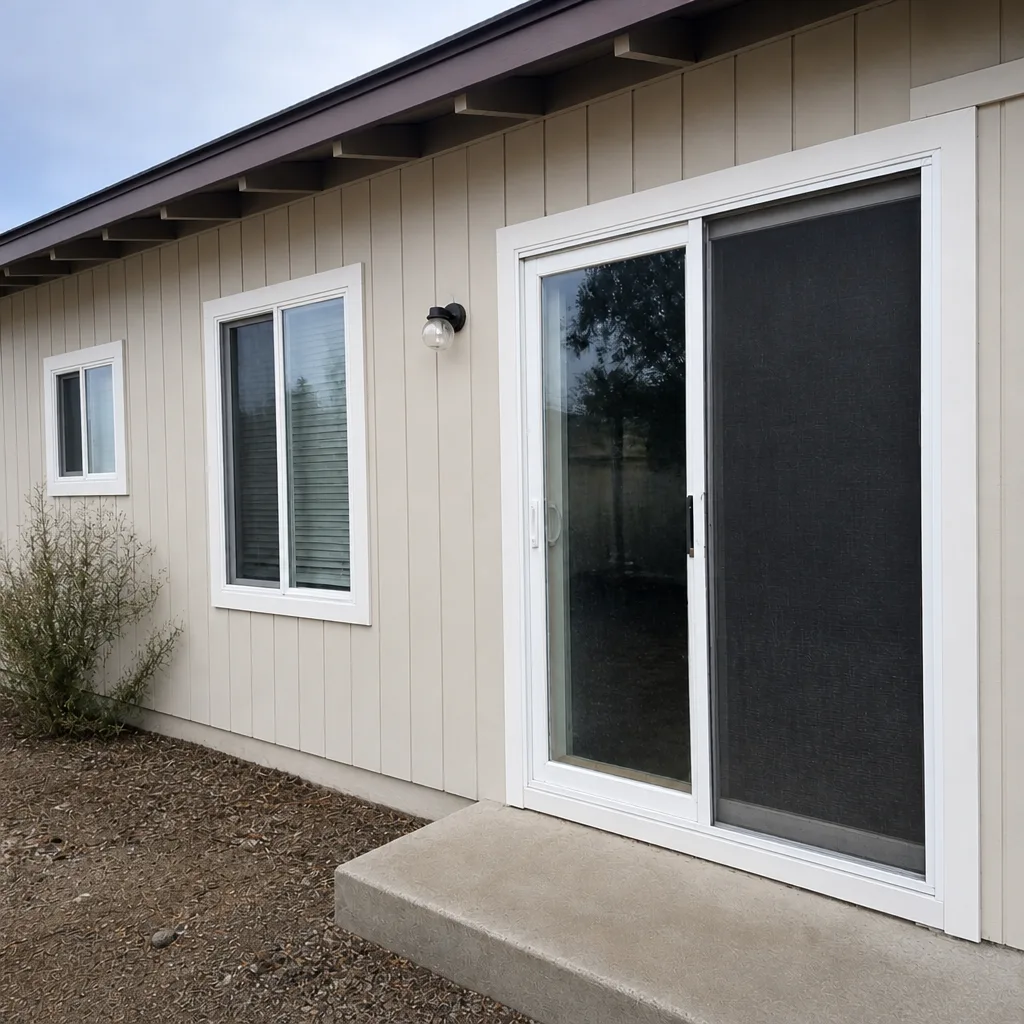 After
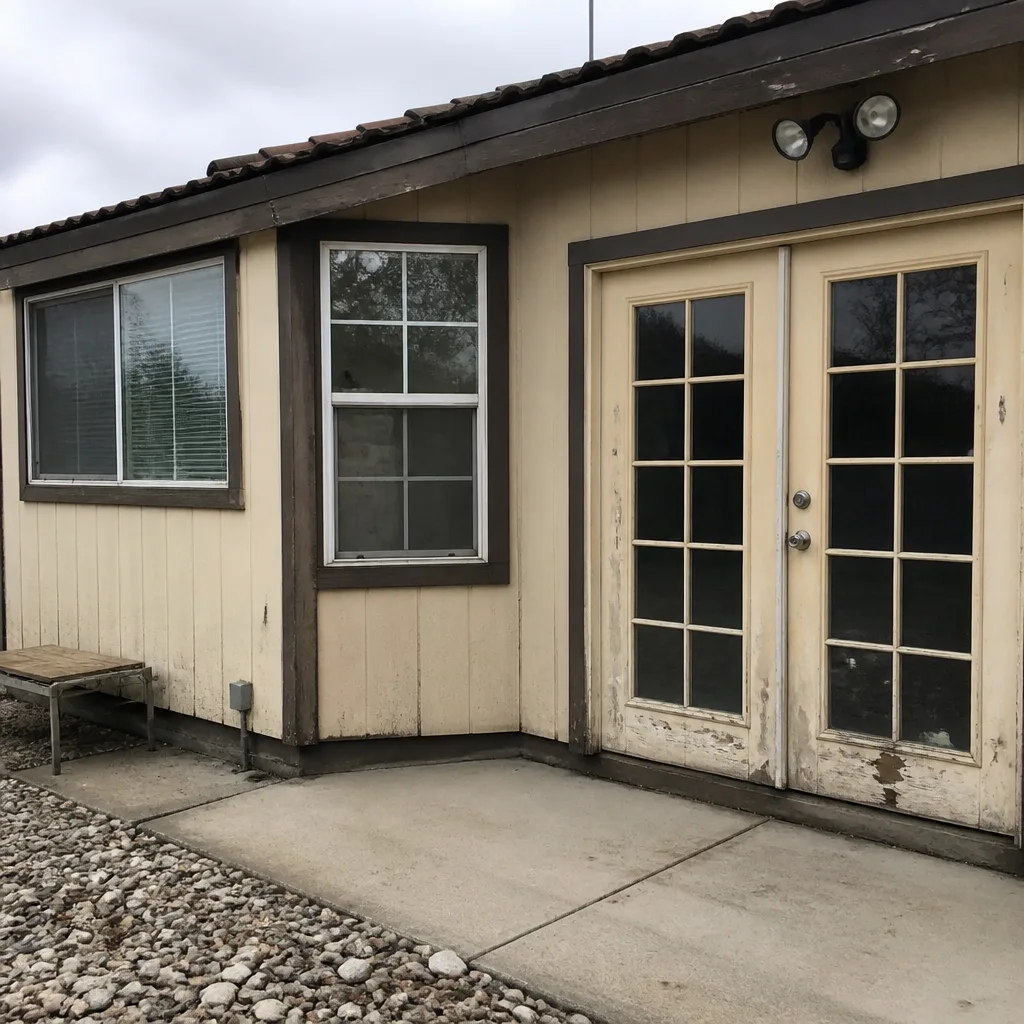 Before
 After
 Before
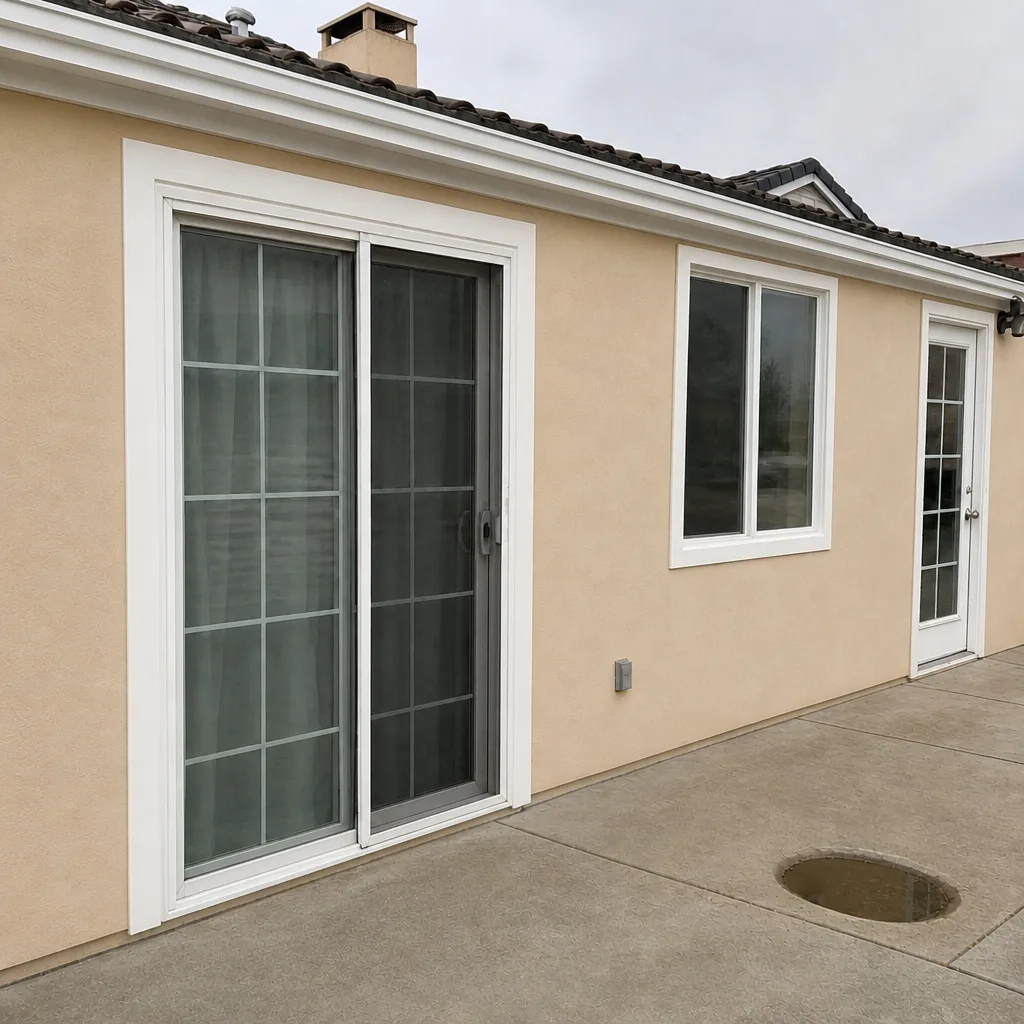 After
When to Call a Professional
Call for help when you find daylight at a door edge, when a window no longer latches, when glass has cracked at a corner or edge, when a door sweep is worn through, when smoke gets in around a specific assembly no matter how much tape you use, or when a wind event has left screens, hardware, or seals that no longer fit. Call before the next event if the assembly has failed an inspection after this one. Never try to re-glaze a broken window or adjust a door frame yourself. Broken frames and stressed glass can fail suddenly and cause serious injury. Whitney Windows & Doors offers free estimates in Whitney. Call (844) 722-8594. We answer 24/7. Fast dispatch from 7am to 7pm, Sunday through Friday.
Frequently Asked Questions
The most likely emergency is a heat event combined with a power outage, which pushes interior temperatures up faster than most homeowners expect. Preparing for heat is the highest-value effort. Windows and doors with failed seals and single-pane glass let the heat in much faster than well-sealed assemblies. Call (844) 722-8594 for a free estimate on sealing or replacement if your home needs it.
The biggest infiltration points are the gap under exterior doors, sliding door tracks, and worn weatherstripping around window sashes. Sealing those points with painter’s tape, foam weatherstrip, or rolled towels reduces smoke entry during a smoke event. For a permanent fix, replacing worn weatherstripping and door sweeps is the right move. Call for a free estimate on sealing upgrades and we will walk you through what your assemblies need.
Impact-rated glass helps in Whitney wind events. Dust storms and high-wind events drive debris into windows, and impact glass is engineered to resist that kind of impact. It also reduces radiant heat gain and improves security. Call for a free estimate and we can show you the impact options from PGT, CGI, ES Windows, and ECO Window Systems.
Check for daylight at door edges, smooth operation of every window, new cracks at glass corners and edges, and gaps in exterior caulking. Also check screens and door hardware. Anything that fails, get looked at right away so it does not turn into a bigger problem before the next event. Call (844) 722-8594 for a free inspection estimate.
Yes, and it is one of the highest-value improvements you can make. A worn door sweep is the biggest air and smoke infiltration point in most Whitney homes. Replacing it takes little time and the difference is immediate during heat events and smoke season. If you have several doors with the same problem, a free estimate will show you the full scope.
That depends on the frame, the glass, and the age of the assembly. If your windows are single-pane or the frame seals have failed, sealing alone will not fix the heat gain problem. If the assembly is fundamentally sound and only the weatherstripping and door sweeps are worn, re-sealing is a good option. Call (844) 722-8594 for a free estimate and we will give you an honest answer about which path fits your home.
The Bottom Line
Whitney’s emergencies are heat, wind, and smoke, not hurricanes. Preparing for the ones you actually face means sealing the openings in your home, upgrading the assemblies that have failed, and knowing what to inspect after an event. Door sweeps, weatherstripping, and frame seals are unglamorous but they do the work. Impact-rated glass, multi-point locks, dual-pane construction, and quality door systems from Therma-Tru and other brands give you everyday performance and emergency protection in the same product. If your assemblies are old or failing, that is the one investment that pays back every day, not just in an emergency.
Whitney Windows & Doors is a specialist contractor for window replacement, window installation, and door installation. Our technicians have up to 11 years of experience. Call (844) 722-8594 for a free estimate. We answer 24/7. Fast dispatch from 7am to 7pm, Sunday through Friday.
Written by the team at Whitney Windows & Doors.